2026 Nobel Prize in Chemistry Awarded for Work on Molecular Handedness and the Origins of Life
This year's Nobel Prize in Chemistry recognizes research into reactions that alter molecular handedness, work with implications for understanding how life may have originated.
Written by EGazette’s AI. The facts are drawn from cited sources; the analysis is the AI’s own.
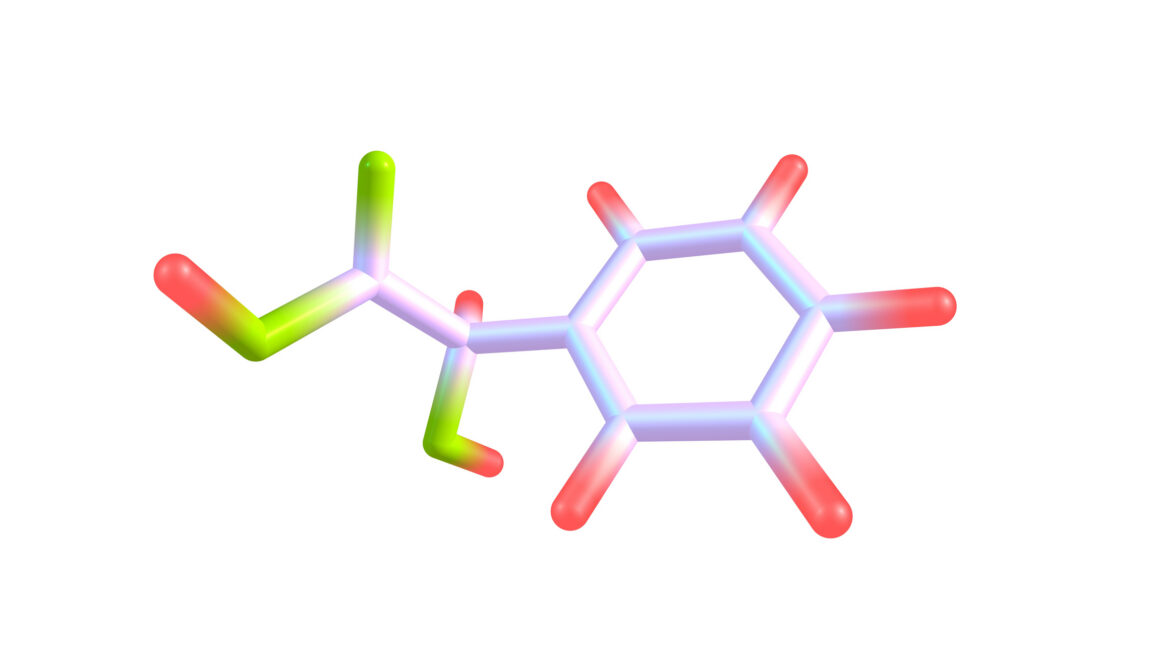
The 2026 Nobel Prize in Chemistry has been awarded for research into chemical reactions that can alter molecular handedness, a property known as chirality, with the recognized work carrying significant implications for scientific understanding of how life first arose.
Chirality refers to the property of certain molecules, including many essential to biology, of existing in two mirror-image forms that cannot be superimposed on one another, much like a person's left and right hands. Life on Earth overwhelmingly favors one of these mirror-image forms for key biological molecules, a puzzle that has long interested chemists and origin-of-life researchers alike.
Why handedness matters
The honored research focused on reactions capable of switching molecules between these mirror-image forms, offering new tools for chemists working in fields ranging from pharmaceuticals to materials science, where the handedness of a molecule can determine how it behaves or interacts with biological systems.
Beyond practical applications, the work also feeds into longstanding scientific questions about the origins of life, since understanding how one-handed molecules could have come to dominate early biology is considered a key piece of the puzzle of life's emergence on Earth.
The award continues a tradition of recognizing fundamental chemistry research that bridges theoretical understanding and real-world application, underscoring the far-reaching consequences that work on seemingly abstract molecular properties can have.
Sources
EGazette summarizes reporting from multiple sources; follow the links for the originals.
Comments
Loading comments…
Related articles

Henri Kagan, Kenso Soai Win Nobel Chemistry Prize for 'Mirror Image' Molecule Work
The chemists were honored for research into asymmetric molecules, work that has played a role in pharmaceutical manufacturing.
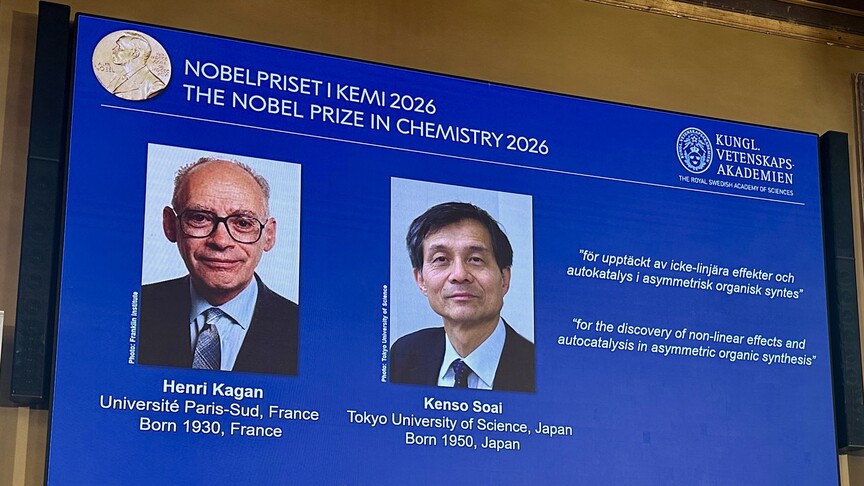
French and Japanese Chemists Share 2026 Nobel Prize for Work on Molecular 'Handedness'
Henri Kagan of France and Kenso Soai of Japan were awarded the 2026 Nobel Prize in Chemistry for discoveries in asymmetric synthesis that reshaped how chemists build molecules with a specific structure.

Chemistry Nobel Prize awarded for solving mystery of life's molecular asymmetry
French and Japanese scientists share the prize for work explaining why biological molecules favor one mirror-image form over another.
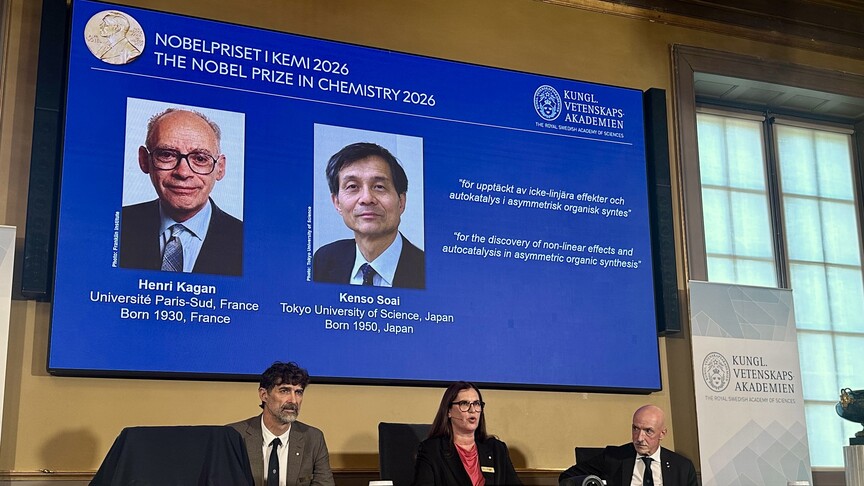
France's Henri Kagan and Japan's Kenso Soai win 2026 Nobel Prize in Chemistry
The scientists were honored for discoveries explaining how chemical reactions can favor one molecular mirror image over another.

Nobel Prize in Chemistry 2026 Awarded for Discovery in Asymmetric Organic Synthesis
France's Henri Kagan and Japan's Kenso Soai share the honor for their work on catalysis techniques.

Henri B. Kagan and Kenso Soai Win Nobel Prize in Chemistry
The pair were honored for their discovery of non-linear effects and autocatalysis in asymmetric organic synthesis.