NASA's picture of the day captures rare supernumerary rainbows over New Jersey
NASA's Astronomy Picture of the Day for October 4 highlights an unusual rainbow phenomenon photographed in New Jersey.
Written by EGazette’s AI. The facts are drawn from cited sources; the analysis is the AI’s own.
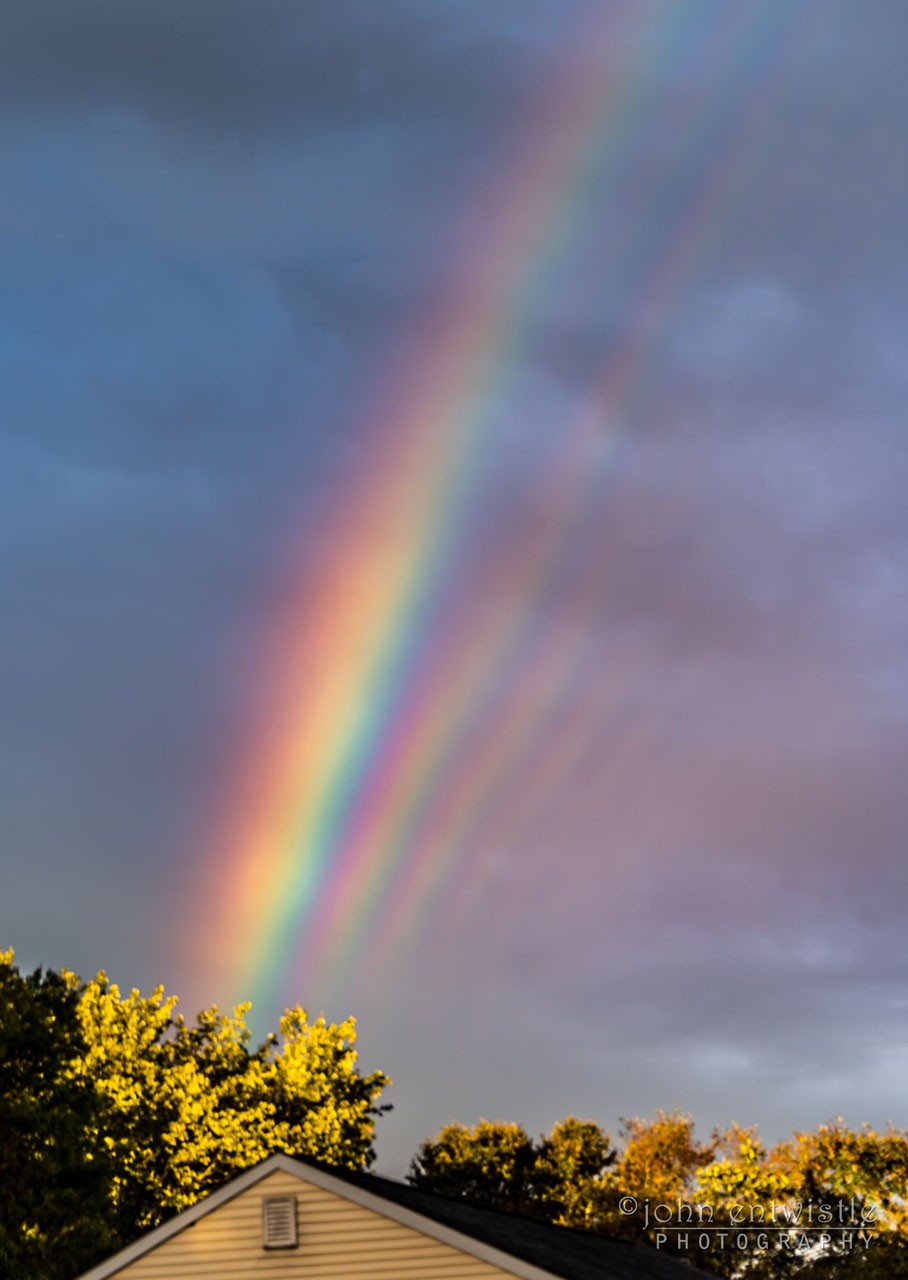
NASA's Astronomy Picture of the Day (APOD) feature for October 4, 2026, showcases an image of supernumerary rainbows photographed over New Jersey, drawing attention to a relatively rare atmospheric optical phenomenon.
Supernumerary rainbows appear as extra, fainter bands of colour just inside the arc of a primary rainbow. They are caused by the wave nature of light interfering with itself as it passes through very small, uniformly sized water droplets, producing additional closely spaced arcs beyond the standard red-to-violet rainbow.
About the Astronomy Picture of the Day
APOD is a long-running feature maintained by NASA and partner astronomers, publishing a new image or photograph each day along with a short explanation written by a professional astronomer, covering everything from deep-space phenomena to atmospheric optics here on Earth.
While ordinary rainbows are a familiar sight, supernumerary rainbows require specific atmospheric conditions, including droplets of a narrow and consistent size range, which makes them less commonly observed and photographed than standard rainbows.
The feature is part of NASA's broader effort to share imagery of both astronomical and atmospheric phenomena with the public, pairing visuals with accessible scientific explanations through its daily archive.
Sources
- APOD: 2026 October 4 – Supernumerary Rainbows over New Jersey — NASA Breaking News
EGazette summarizes reporting from multiple sources; follow the links for the originals.
Comments
Loading comments…
Related articles
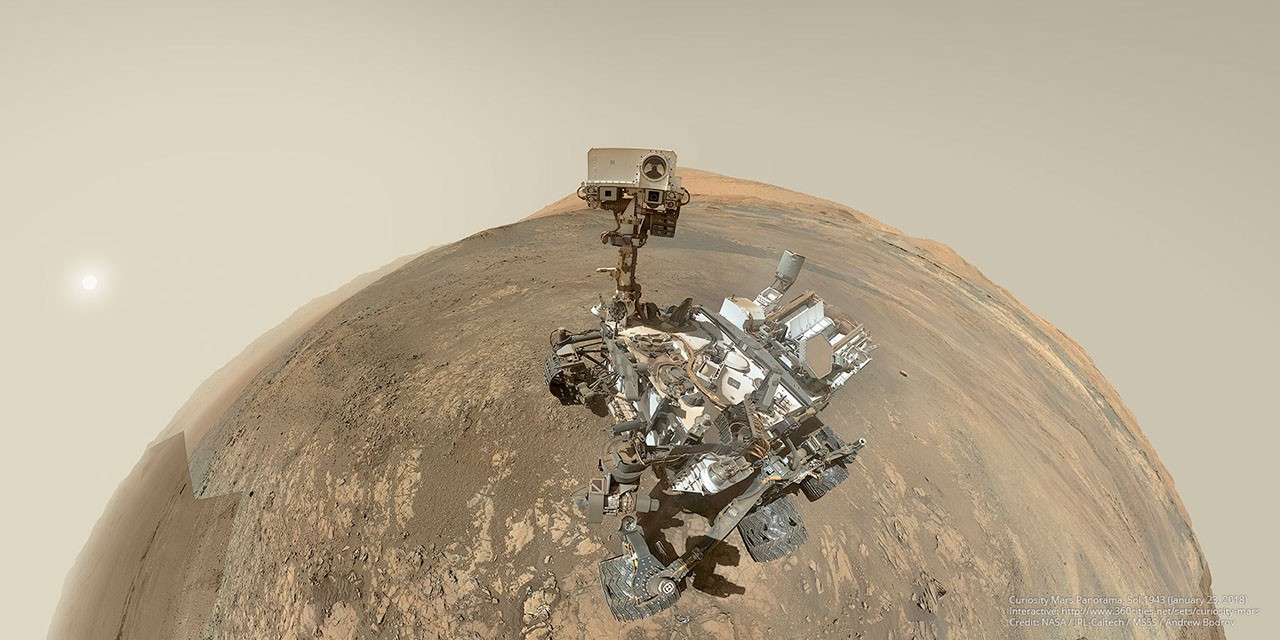
NASA's Astronomy Picture of the Day features Mars rover selfie at Vera Rubin Ridge
The October 3 entry in NASA's long-running APOD series highlights a self-portrait captured at a notable site on Mars.
.jpg/jcr:content/renditions/cq5dam.web.1280.1280.jpeg)
NASA Image Compiles the Entire Sharpless Catalog of 313 Nebulas
A new composite image brings together all 313 hydrogen-rich nebulas cataloged in the Sharpless Catalog of H II regions.

Future NASA telescope could detect rainbow-like phenomena on distant exoplanets
Scientists say an upcoming space telescope may be able to identify atmospheric optical effects, similar to rainbows, on planets orbiting other stars.

NASA Delays Astronaut Sophie Adenot's Return to Earth Due to Weather
NASA is now targeting no earlier than Wednesday, October 7, for the undocking of the Crew-12 mission.

Queen's University students head to Florida for NASA robotics competition
The team will compete against university groups from Australia, India and the United States.

Milt Windler, NASA flight director who helped save Apollo 13, dies at 94
Windler led one of the shifts that guided the crippled Apollo 13 mission safely back to Earth in 1970.