NASA Releases Artist's Concept of PRIMA Spacecraft for New Far-Infrared Astrophysics Mission
NASA has shared an artist's concept of its PRIMA observatory, the first mission in a new Probe Explorers class selected in September 2026 to study the cosmos in far-infrared light.
Written by EGazette’s AI. The facts are drawn from cited sources; the analysis is the AI’s own.
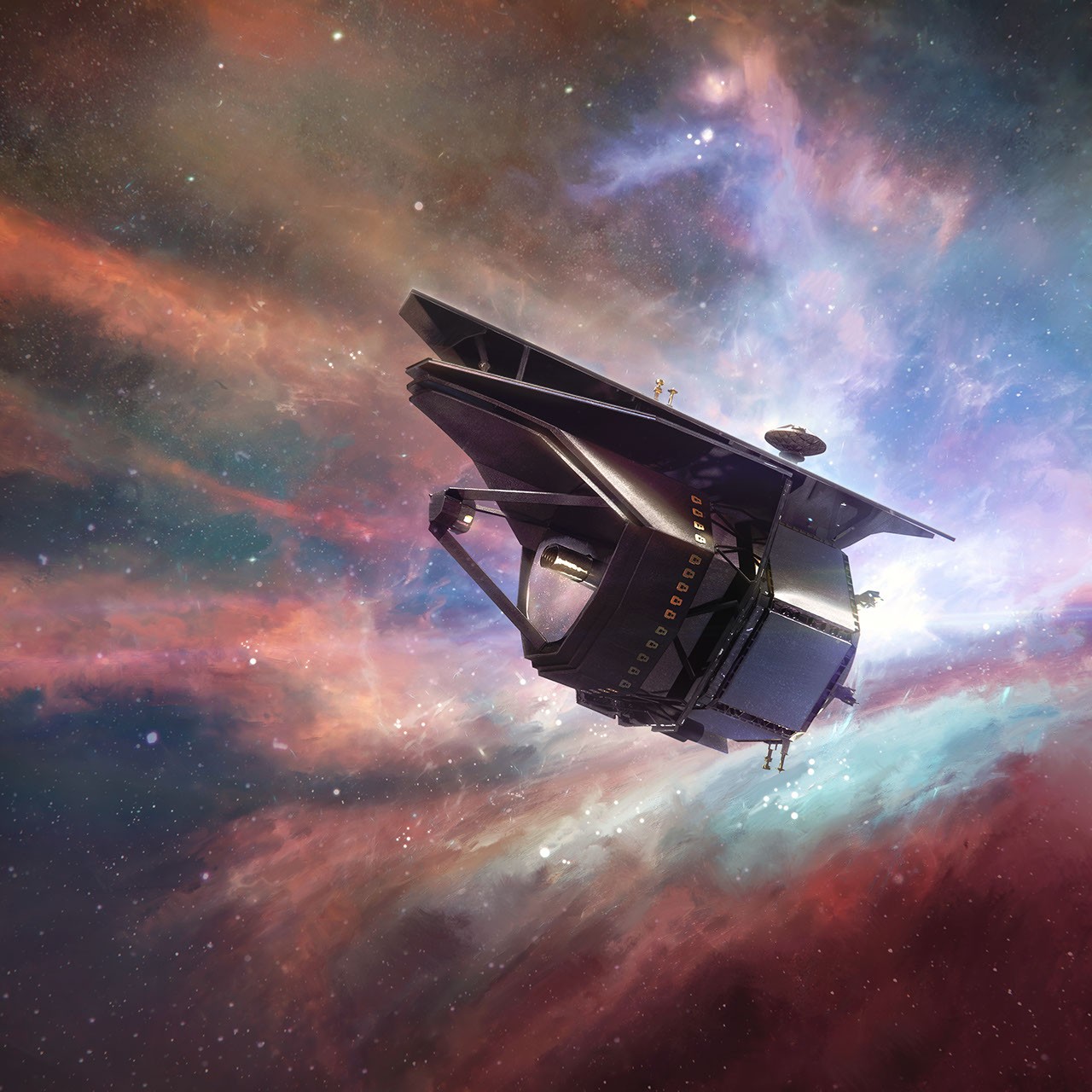
NASA has released an artist's concept depicting the proposed design for its PRobe far-Infrared Mission for Astrophysics, known as PRIMA, which the agency selected in September 2026.
PRIMA is described by NASA as the first mission in a new class of astrophysics missions called Probe Explorers, part of the agency's longstanding Explorers Program, which has funded a range of relatively low-cost, focused science missions over the decades. The observatory is designed to study the cosmos by observing far-infrared light, a wavelength range that allows scientists to examine phenomena not visible in other parts of the electromagnetic spectrum.
NASA's description did not provide a specific target launch date for PRIMA or detail the full scope of the cosmic phenomena the mission intends to study beyond its general far-infrared observation capability. As a newly selected Probe Explorers mission, PRIMA is expected to move through further design and development phases before launch.
Further technical details, including the spacecraft's final instrument suite and mission partners, were not included in the available NASA material.
Sources
- NASA’s PRIMA Spacecraft (Artist’s Concept) — NASA Breaking News
EGazette summarizes reporting from multiple sources; follow the links for the originals.
Comments
Loading comments…
Related articles

Cargo Dragon spacecraft set to launch to ISS no earlier than October 13, NASA says
NASA says the uncrewed cargo spacecraft will deliver more than 2.8 tons of supplies, including material for studying heart tissue growth in microgravity.
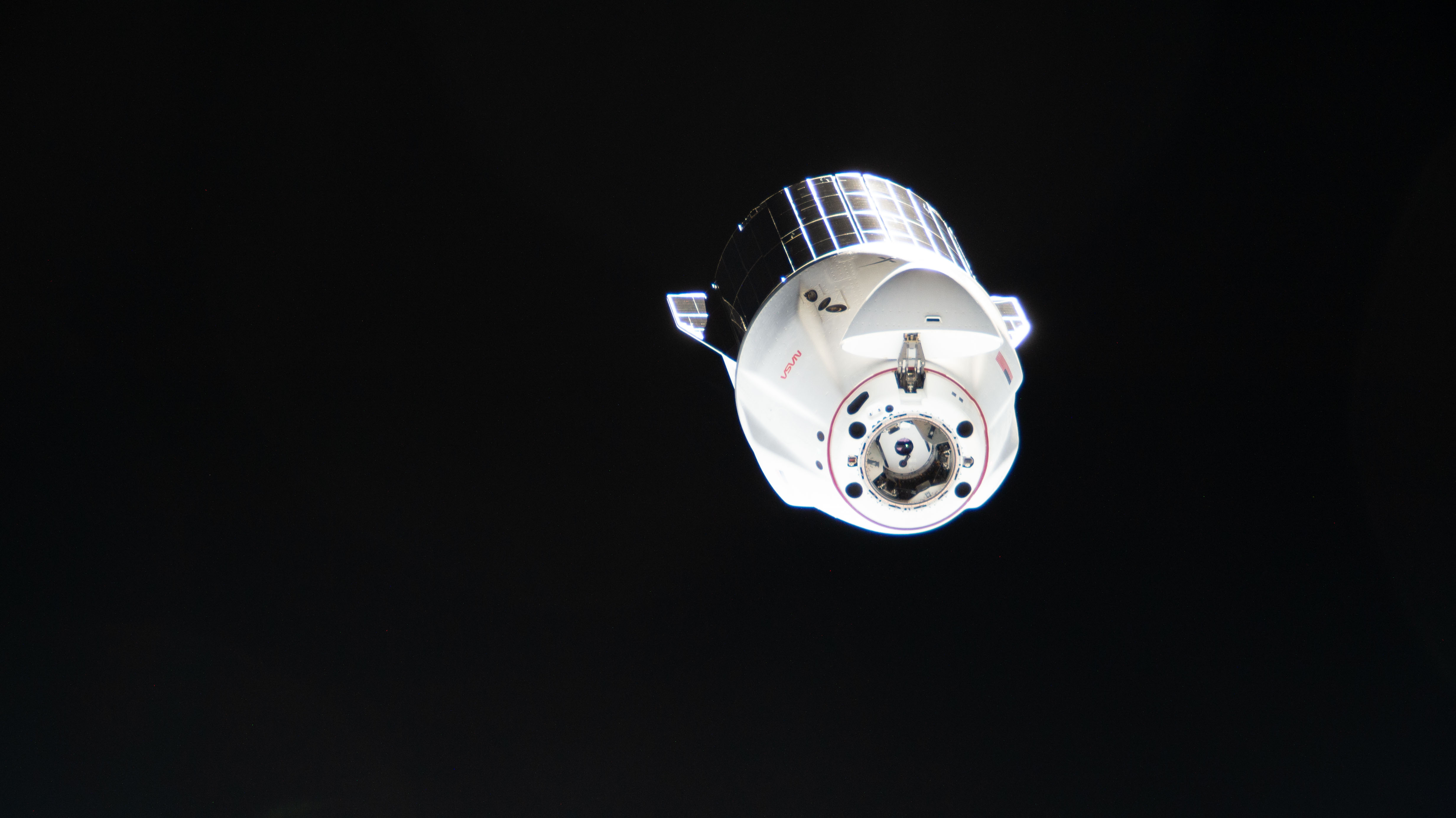
NASA sets coverage for SpaceX's 35th space station resupply launch
NASA and SpaceX are targeting Tuesday, October 13 for the next cargo mission to the International Space Station, which will deliver the final set of Roll-Out Solar Arrays.
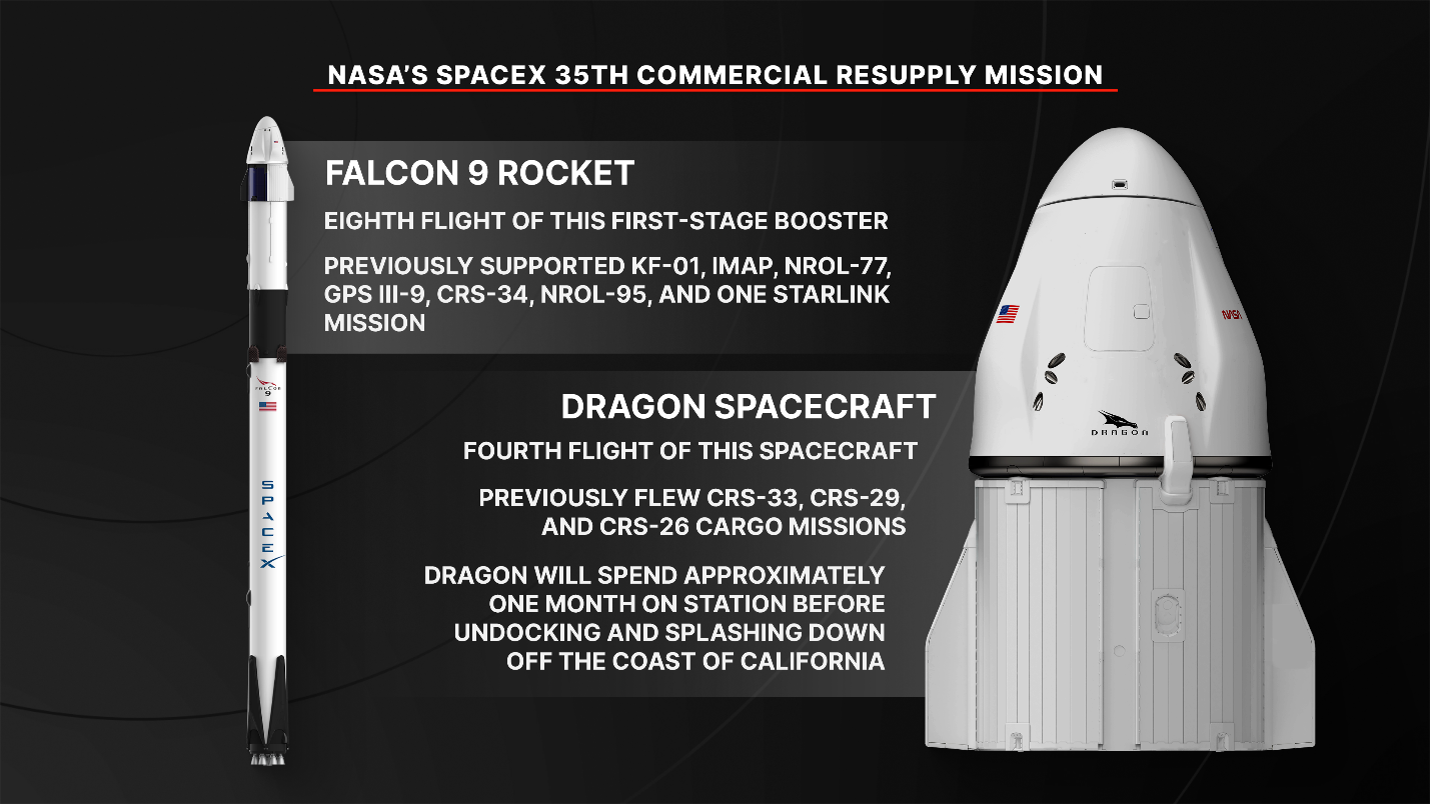
NASA and SpaceX Target October 13 Launch for 35th Commercial Resupply Mission to ISS
NASA and SpaceX are targeting no earlier than Tuesday, October 13, to launch scientific investigations, supplies, and equipment to the International Space Station.
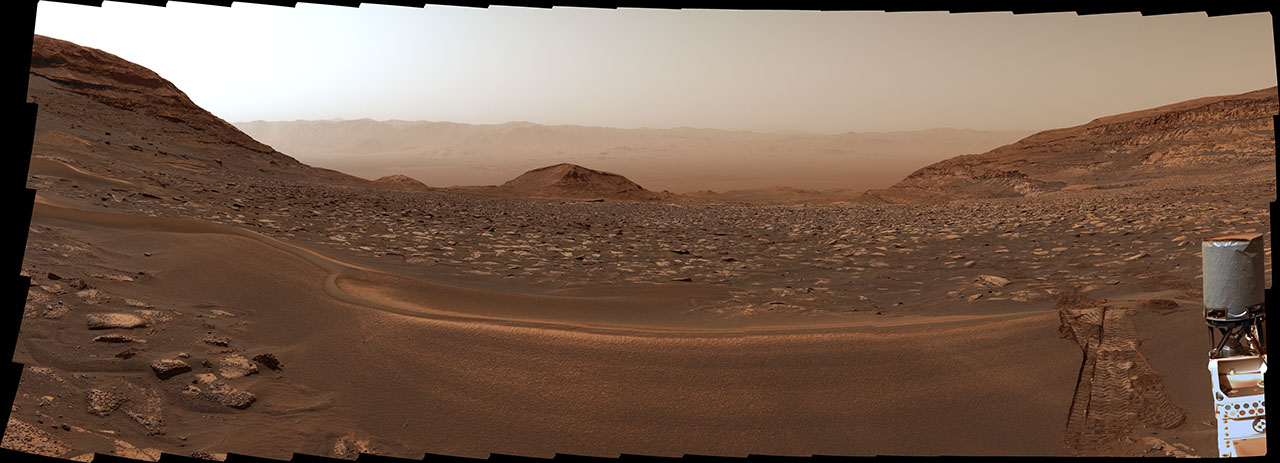
NASA's Curiosity rover looks back after reaching 1-kilometer elevation milestone on Mars
A new image from NASA's Curiosity rover shows the floor of Gale Crater and its distant rim, captured shortly after the rover passed a mission milestone of 1 kilometer in total elevation gain.

NASA's Curiosity rover captures sunrise over Mars's wind-carved cliffs
The Curiosity rover photographed dawn light illuminating yardang ridges on Mars, part of ongoing efforts to understand how these wind-sculpted formations developed.
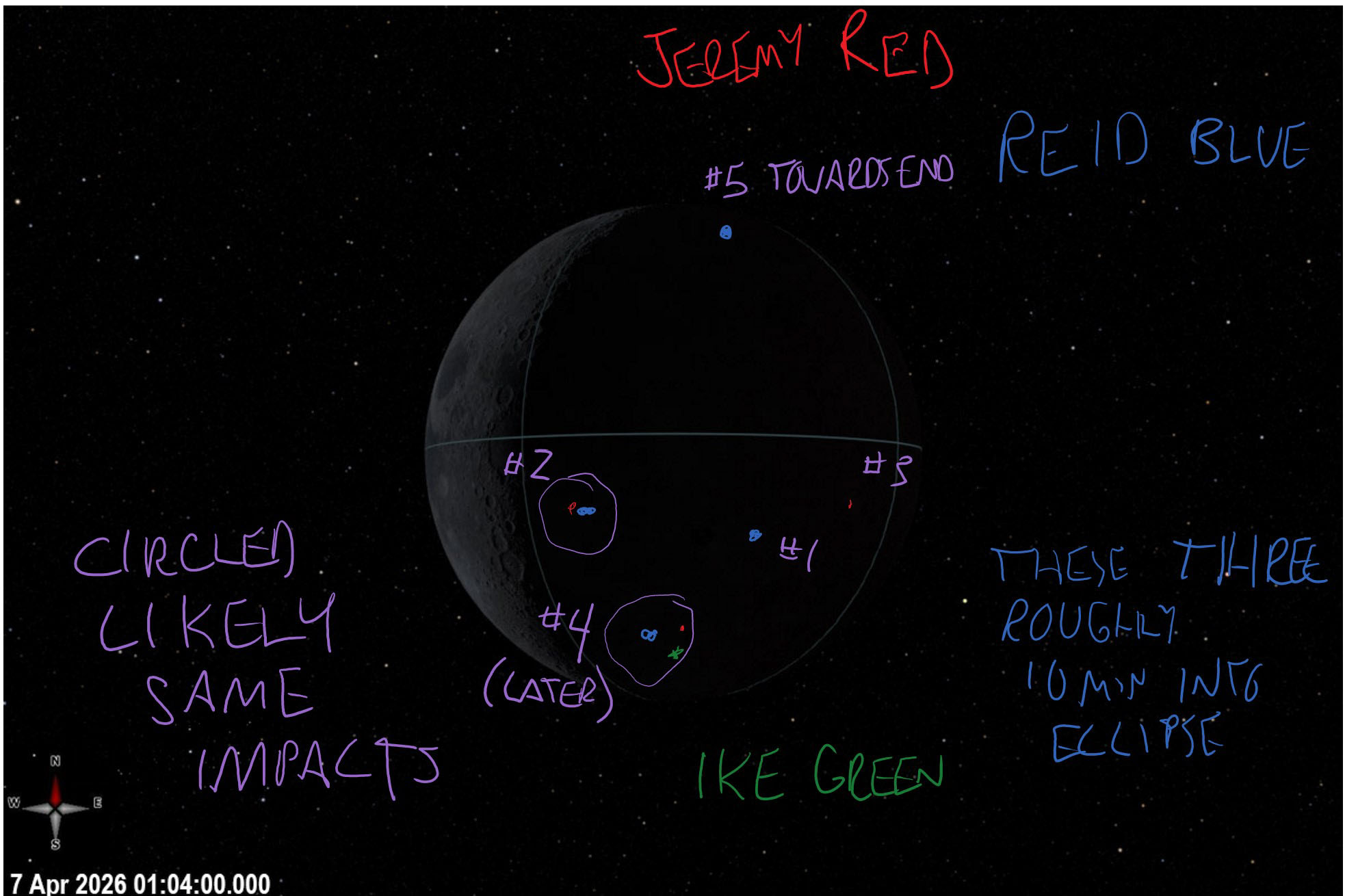
Artemis II astronauts annotate photo of Moon eclipsing the Sun from lunar mission
NASA released a crew member's handwritten notes on an image capturing impact flashes during a solar eclipse observed from the Artemis II mission.