Les ailes de papillon, de véritables machines à tromper les prédateurs
En combinant motifs contrastés et mouvements imprévisibles, les lépidoptères créent des illusions d'optique indétectables par les oiseaux.
Written by EGazette’s AI. The facts are drawn from cited sources; the analysis is the AI’s own.
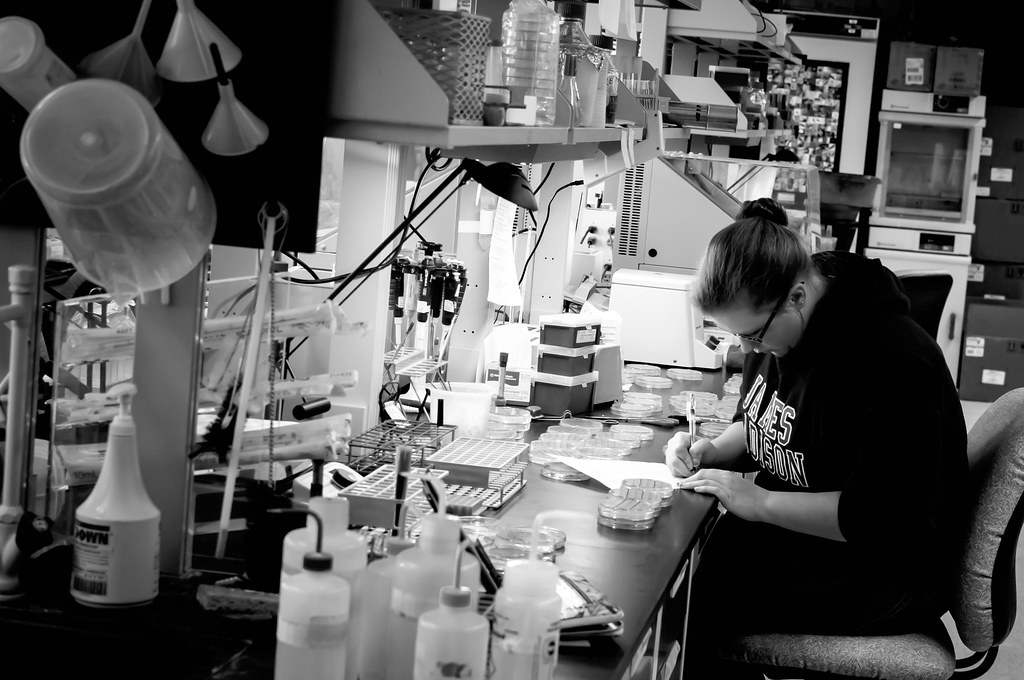
Les papillons ont développé des ailes capables de tromper leurs prédateurs grâce à des illusions d'optique sophistiquées, selon un article du Monde consacré aux sciences.
En alliant des motifs contrastés à des mouvements de vol imprévisibles, les lépidoptères créeraient des effets visuels indécelables pour les oiseaux qui tentent de les capturer, précise l'article.
Cette combinaison de signaux visuels et de trajectoires erratiques compliquerait la tâche des prédateurs cherchant à anticiper la position exacte du papillon en vol.
L'article ne détaille pas les espèces de papillons étudiées ni la méthodologie précise ayant permis d'établir ce mécanisme de défense.
Sources
- Les ailes de papillon, machines à tromper les prédateurs — Le Monde — Une
EGazette summarizes reporting from multiple sources; follow the links for the originals.
Comments
Loading comments…
Related articles
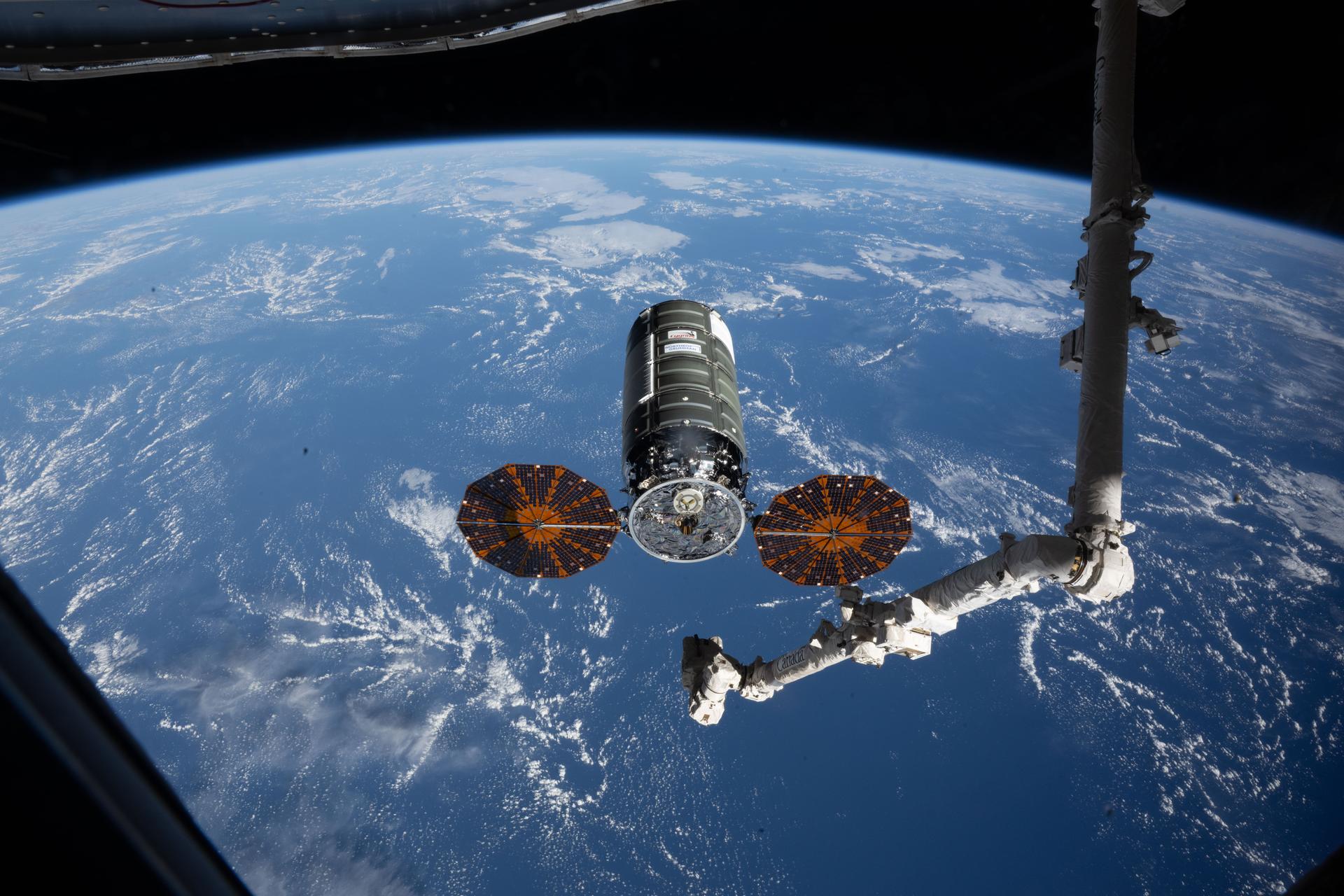
NASA to broadcast Northrop Grumman Cygnus XL departure from space station
The Cygnus XL spacecraft is set to leave the ISS on October 9 after delivering more than 11,000 pounds of cargo under the CRS-24 resupply mission.
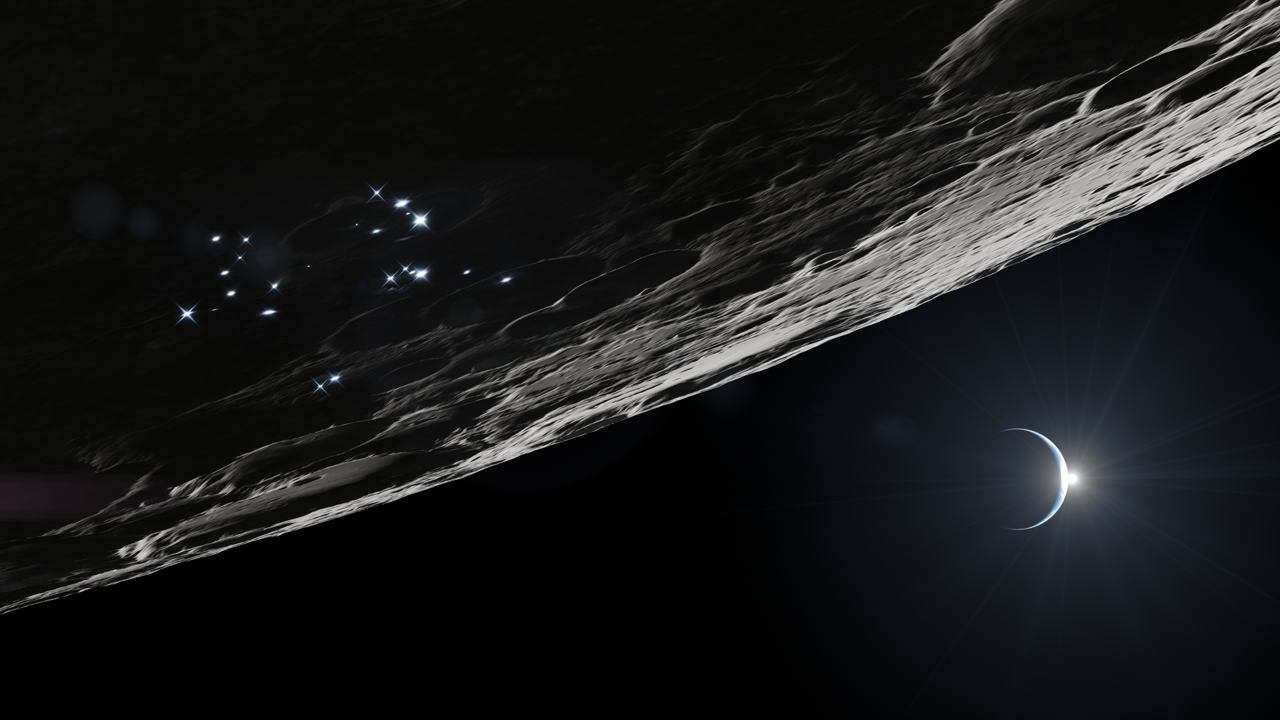
NASA challenge seeks solutions to spacesuit charging risk on the Moon
The Lunar Grounding Challenge aims to address electric charge buildup on spacesuits caused by lunar surface and plasma conditions, particularly in permanently shadowed regions.

NASA Glenn Seeks Phase 1 Proposals for New Aerospace Power Systems Laboratory
NASA's Glenn Research Center in Cleveland is soliciting initial design proposals for a facility to test and develop aerospace power systems.
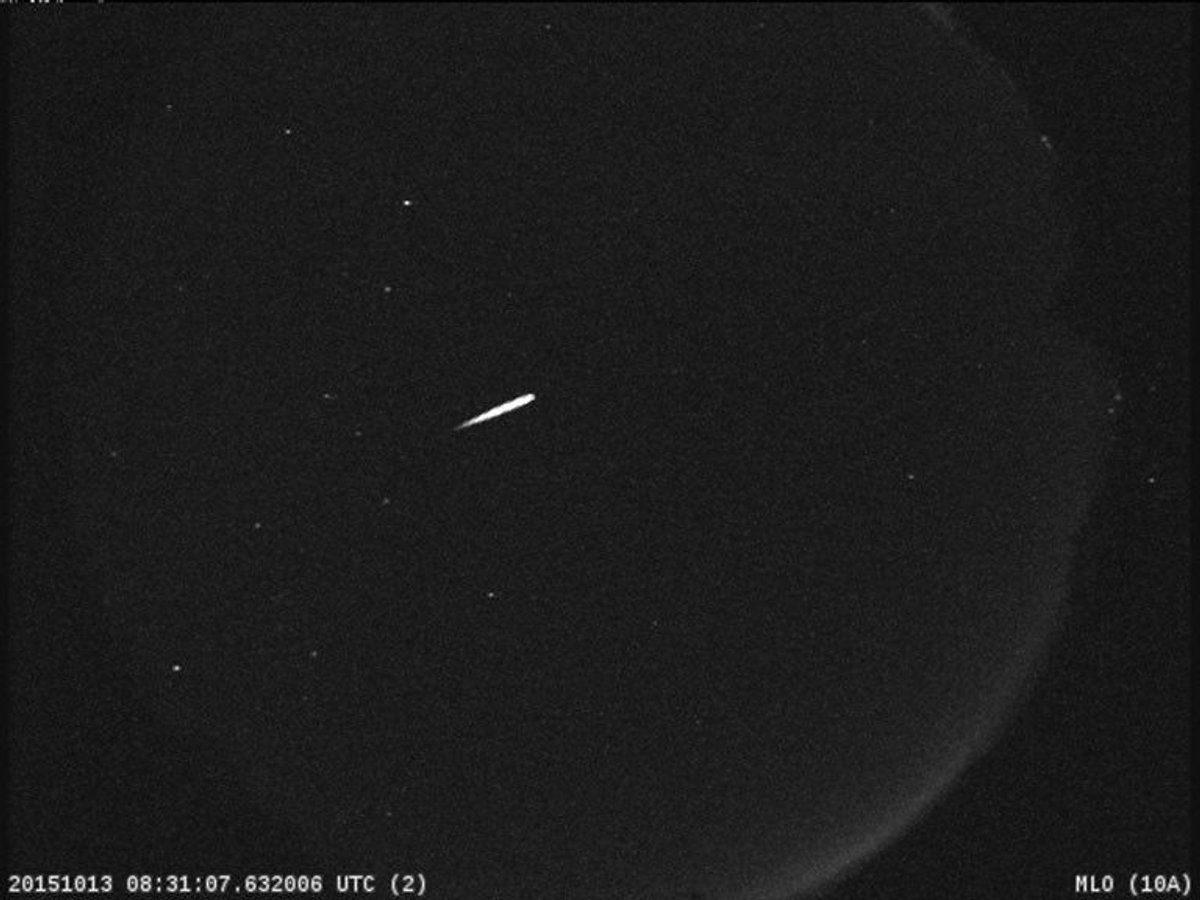
Two meteor showers set to light up the October sky
The Draconids and Orionids are both expected to peak this month.
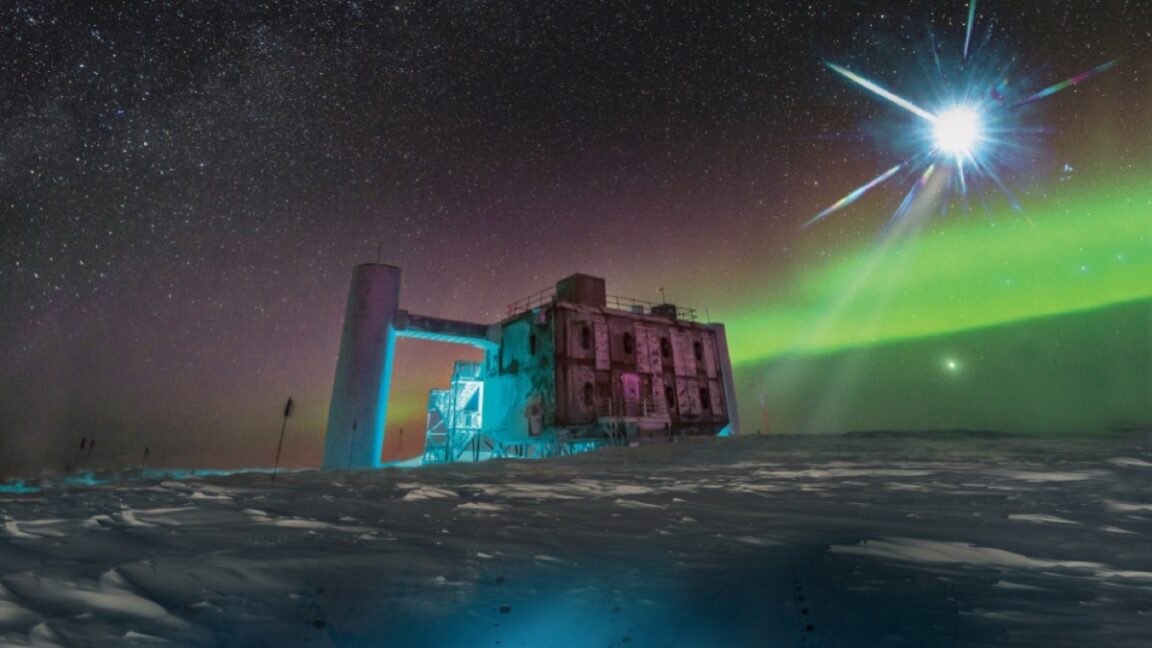
Neutrino Physicist Francis Halzen Awarded 2026 Nobel Prize in Physics
Halzen, of the University of Wisconsin-Madison, led the development of the IceCube Neutrino Observatory in Antarctica.
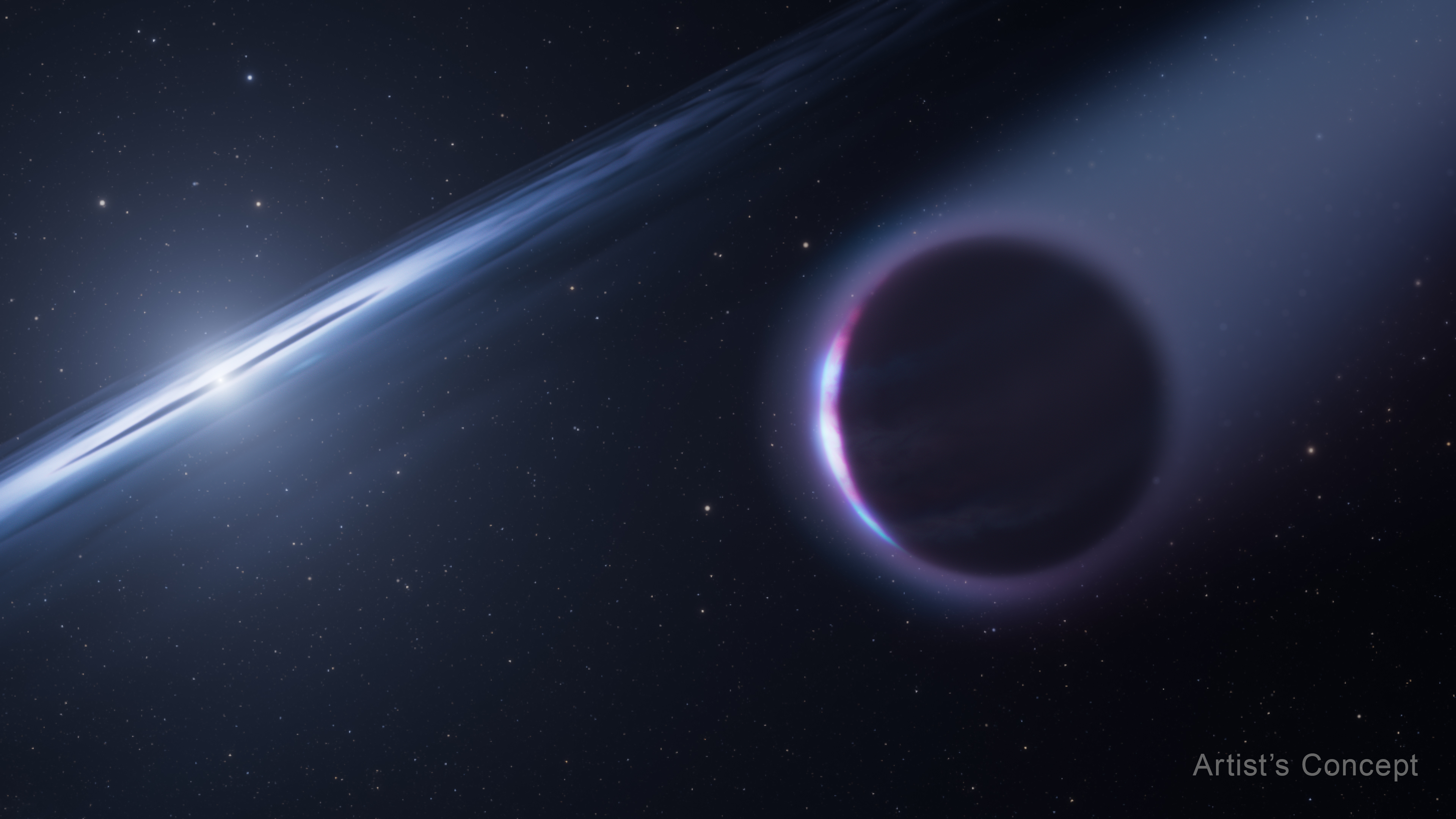
Astronomers find clue suggesting a white dwarf may host a 'second-generation' planet
New Hubble Space Telescope data reveals a chemical signature pointing to a possible second-generation planet orbiting the white dwarf star HS 0209+0832, NASA says.