Air pollution could worsen educational inequality, study suggests
A study from the World Inequality Lab suggests a link between exposure to air pollution and school achievement gaps based on socioeconomic background.
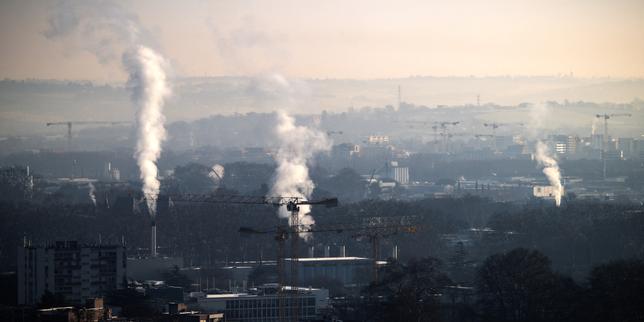
A study published by the World Inequality Lab argues that air pollution could explain up to 25% of the exam performance gap between students from disadvantaged socioeconomic backgrounds and those from more privileged backgrounds, according to Le Monde.
According to the study's authors, cited by the newspaper, children from the poorest families face greater exposure to high levels of air pollution, particularly because of where they live, often near major roads or industrial zones.
This increased exposure could have harmful effects on children's cognitive abilities and respiratory health, factors that may influence their school performance, the study reported by Le Monde indicates.
The researchers suggest that their findings identify an additional environmental factor in the formation of educational inequality, alongside already documented socioeconomic factors such as household income or access to educational resources.
Le Monde notes that this study is part of a broader body of international research exploring the links between environment and social inequality, though it does not detail the complete methodology or the geographic area covered by the analysis.
The implications of these findings could affect public policy on urban planning, air quality, and education, though the original article makes no mention of specific recommendations put forward by the study's authors.
Sources
EGazette summarizes reporting from multiple sources; follow the links for the originals.
Related articles

Senegal: The Disappearance of Faidherbia albida Concerns Farmers in Diohine
In the peanut basin, the decline of this iconic tree threatens the fertility of agricultural land, according to farmers and an RFI report.

Volunteer Group Marks Ten Years Clearing Debris From UK Harbour
From an inflatable doll to a games console, members say the harbour clean-up project continues to surprise them a decade on

Ethiopia: Government Restricts Bitcoin Mining to Preserve Nile Waters
Faced with drought linked to El Niño, Addis Ababa is limiting the activities of cryptocurrency companies, mostly Chinese, operating in the country to take advantage of its hydroelectric potential.

Reading: Gender gap widens between boys and girls, according to latest PISA study
An international survey shows a decline in reading comprehension among French students, more pronounced among boys, confirming a trend observed over several years.
State Takes Back Control of Tarascon Plant Security After Liquidator's Failures
The government denounces the liquidator's "mismanagement" and intervenes urgently to secure the Seveso classified pulp mill site.
Tarascon: Government Asks Ademe to Intervene Urgently at Fibre Excellence Plant Site
The minister for ecological transition cites environmental risks and criticizes the management of the site's liquidators.
Comments
Loading comments…