Нобелевскую премию по физике присудили за открытие астрофизических нейтрино на обсерватории IceCube
Премию получил исследователь Висконсинского университета Фрэнсис Хальцен за решающий вклад в создание нейтринной обсерватории IceCube.
Written by EGazette’s AI. The facts are drawn from cited sources; the analysis is the AI’s own.
Нобелевская премия по физике за 2026 год была присуждена за «решающий вклад» в создание нейтринной обсерватории IceCube и открытие высокоэнергетических нейтрино астрофизического происхождения, сообщает «Коммерсантъ».
Награду получит исследователь из Висконсинского университета Фрэнсис Хальцен, чья работа над проектом IceCube позволила зафиксировать нейтрино, прибывающие из глубокого космоса, а не только из земной атмосферы или Солнца.
Обсерватория IceCube расположена на Южном полюсе и представляет собой детектор, встроенный в толщу антарктического льда, предназначенный для регистрации редких взаимодействий нейтрино с веществом. Благодаря своей конструкции обсерватория способна улавливать частицы, прошедшие сквозь всю Землю.
Открытие высокоэнергетических астрофизических нейтрино считается значимым достижением для астрофизики, поскольку оно открывает новый способ наблюдения за экстремальными космическими процессами, которые невозможно исследовать с помощью одного только электромагнитного излучения.
Sources
EGazette summarizes reporting from multiple sources; follow the links for the originals.
Comments
Loading comments…
Related articles
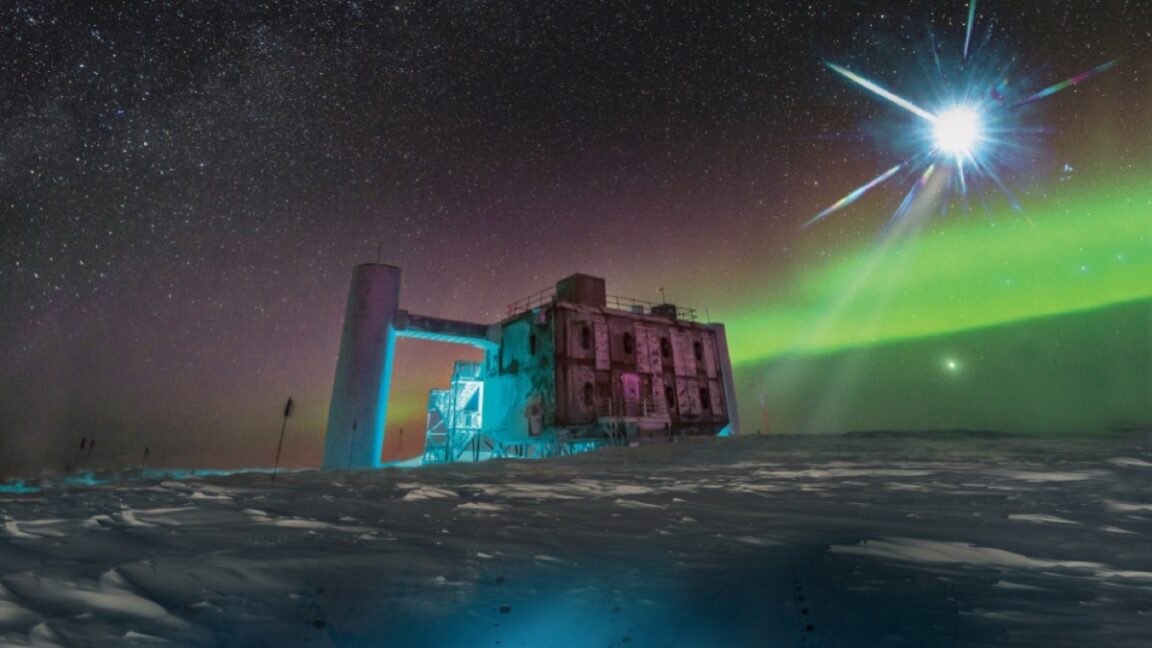
Neutrino Physicist Francis Halzen Awarded 2026 Nobel Prize in Physics
Halzen, of the University of Wisconsin-Madison, led the development of the IceCube Neutrino Observatory in Antarctica.
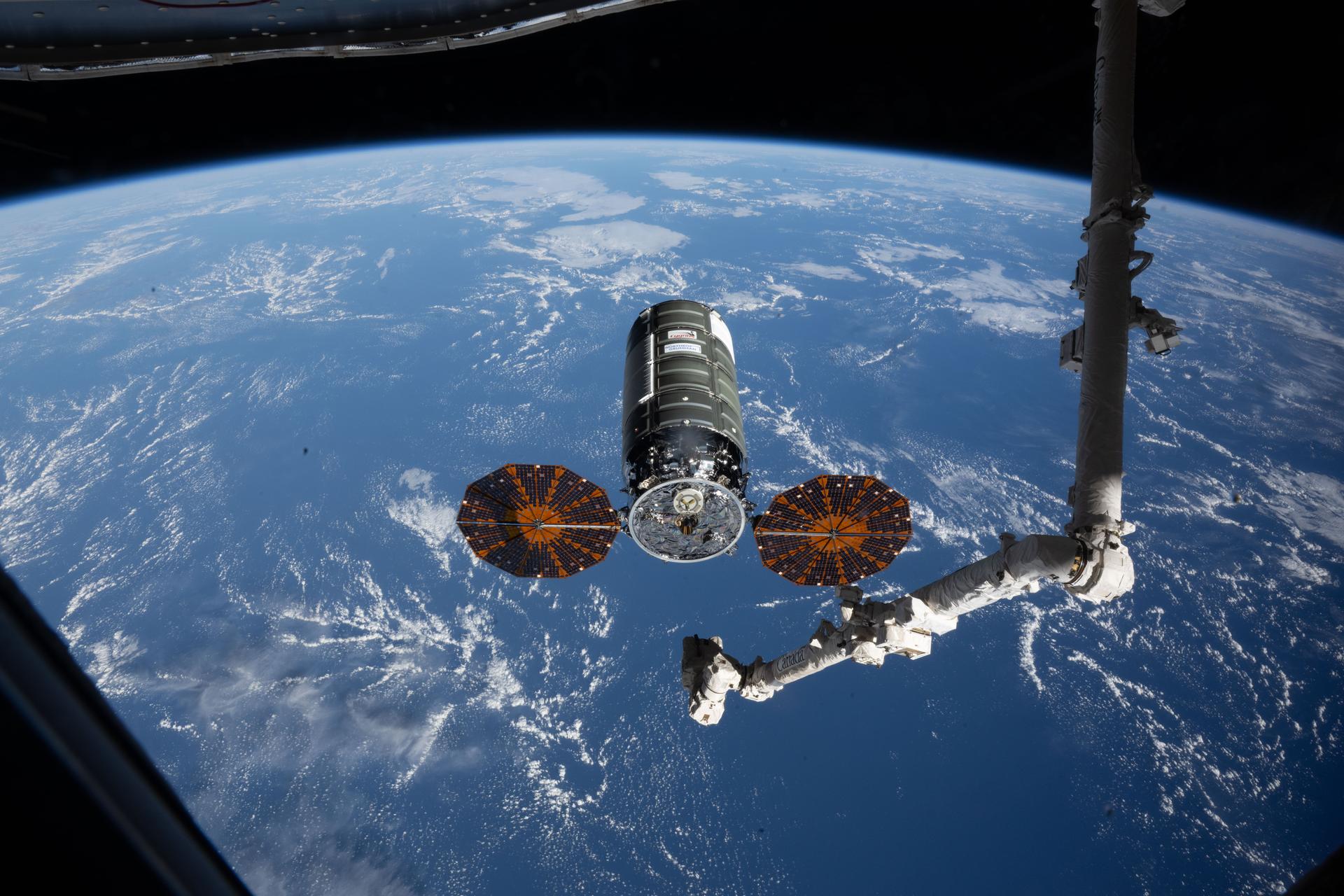
NASA to broadcast Northrop Grumman Cygnus XL departure from space station
The Cygnus XL spacecraft is set to leave the ISS on October 9 after delivering more than 11,000 pounds of cargo under the CRS-24 resupply mission.
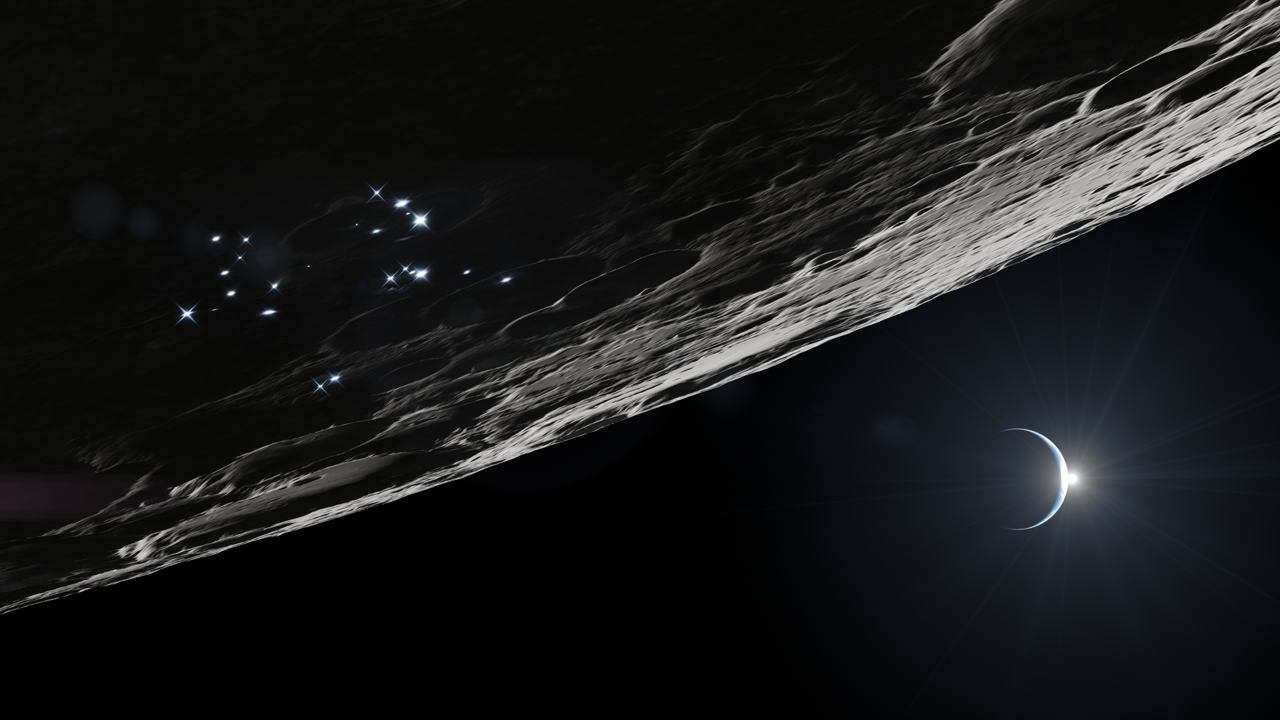
NASA challenge seeks solutions to spacesuit charging risk on the Moon
The Lunar Grounding Challenge aims to address electric charge buildup on spacesuits caused by lunar surface and plasma conditions, particularly in permanently shadowed regions.
NASA Glenn Seeks Phase 1 Proposals for New Aerospace Power Systems Laboratory
NASA's Glenn Research Center in Cleveland is soliciting initial design proposals for a facility to test and develop aerospace power systems.
Two meteor showers set to light up the October sky
The Draconids and Orionids are both expected to peak this month.
Astronomers find clue suggesting a white dwarf may host a 'second-generation' planet
New Hubble Space Telescope data reveals a chemical signature pointing to a possible second-generation planet orbiting the white dwarf star HS 0209+0832, NASA says.