How the brain draws on memory to imagine what might have been, according to philosopher Felipe De Brigard
The 2026 MacArthur 'genius grant' recipient explains how imagination reconstructs the past to picture roads not taken, Scientific American reports.
Written by EGazette’s AI. The facts are drawn from cited sources; the analysis is the AI’s own.

Philosopher Felipe De Brigard, a recipient of the 2026 MacArthur "genius grant," explains how the human brain draws on memory to imagine what might have been, according to a report in Scientific American.
De Brigard's work focuses on the relationship between memory and imagination, examining how the brain reconstructs past events not merely to recall them, but to picture alternative versions of how things could have unfolded.
Scientific American's report frames this ability to imagine counterfactual pasts as closely tied to the same cognitive machinery the brain uses for ordinary memory recall, rather than as an entirely separate mental process.
The recognition of De Brigard's work with a MacArthur "genius grant" in 2026 underscores the broader scientific interest in how imagination and memory interact, a question that spans philosophy, psychology, and neuroscience.
The report did not detail the specific experimental methods De Brigard has used to study this relationship, focusing instead on his explanation of the underlying concept of how imagined alternatives are built from reconstructed memories.
Sources
- How the brain uses memory to imagine what might have been — Scientific American
EGazette summarizes reporting from multiple sources; follow the links for the originals.
Comments
Loading comments…
Related articles

Who Are the New Players Entering the Global Space Industry?
A widening circle of companies and countries beyond the traditional space powers is increasingly shaping activity beyond Earth's orbit.
Turkey's Space Agency Signs Two Cooperation Agreements at International Astronautical Congress
The Turkish Space Agency signed deals with counterparts from fellow Turkic states and the UK Space Agency to pursue joint space projects.
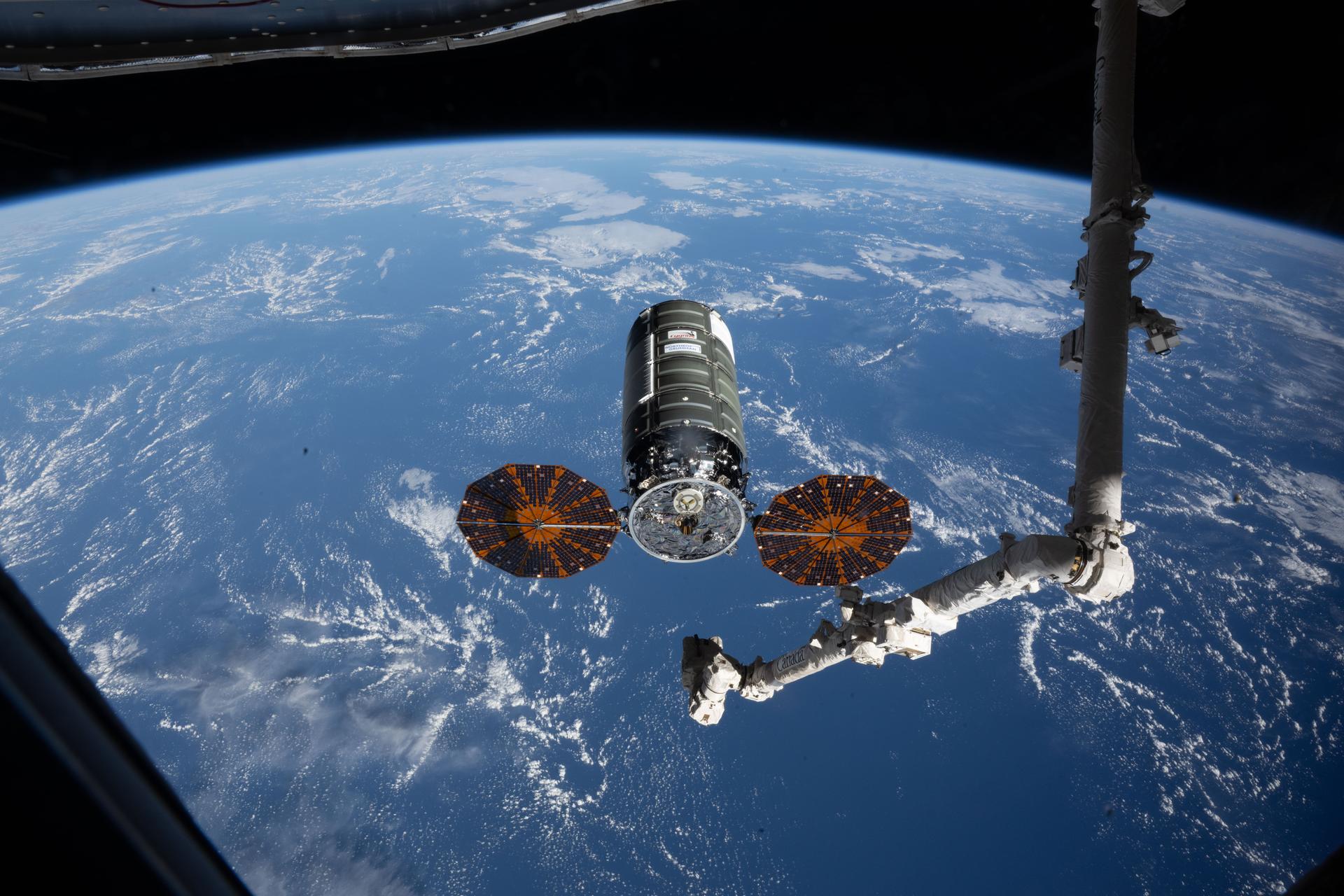
NASA to broadcast Northrop Grumman Cygnus XL departure from space station
The Cygnus XL spacecraft is set to leave the ISS on October 9 after delivering more than 11,000 pounds of cargo under the CRS-24 resupply mission.
NASA Challenges Public to Identify Mystery Location in October Satellite Puzzler
NASA's Earth Observatory released its monthly satellite image challenge, inviting the public to guess the pictured location and why it matters.
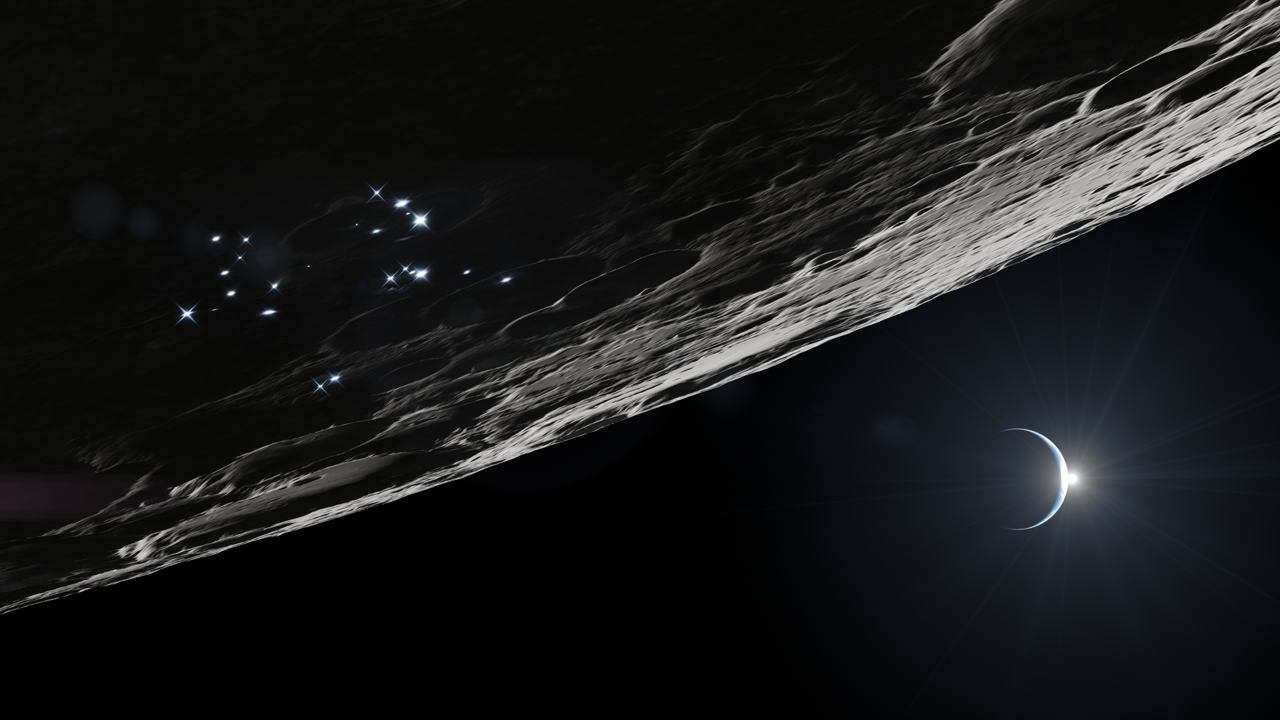
NASA challenge seeks solutions to spacesuit charging risk on the Moon
The Lunar Grounding Challenge aims to address electric charge buildup on spacesuits caused by lunar surface and plasma conditions, particularly in permanently shadowed regions.

NASA Glenn Seeks Phase 1 Proposals for New Aerospace Power Systems Laboratory
NASA's Glenn Research Center in Cleveland is soliciting initial design proposals for a facility to test and develop aerospace power systems.