Gut microbes may have followed migrating humans across continents, study suggests
New research finds striking similarities between the gut microbiomes of hunter-gatherers in Tanzania and horticulturalists in Bolivia.
Written by EGazette’s AI. The facts are drawn from cited sources; the analysis is the AI’s own.

A new study has found surprising similarities between the gut microbiomes of the Hadza, a hunter-gatherer community in Tanzania, and the Tsimane, a horticulturalist population in Bolivia, according to a report by NPR. The findings raise questions about how human gut bacteria may have traveled alongside migrating populations over long stretches of history.
Comparing distant populations
Researchers examined gut microbiome samples from the two communities, which live on different continents and follow different subsistence lifestyles, one centered on hunting and gathering and the other on small-scale farming. Despite these differences, the study identified notable overlaps in the composition of their gut bacteria, prompting scientists to consider whether these similarities trace back to shared ancestry and historical human migration patterns.
The research adds to a growing body of work exploring the evolutionary relationship between humans and the trillions of microorganisms that inhabit the gut. Scientists have increasingly looked to populations with lifestyles that differ from industrialized, urban societies to better understand the microbiome's natural diversity and its potential links to long-term human health.
What the findings could mean for health research
According to NPR's report, the study's authors suggest that comparing these distant, non-industrialized populations could help scientists understand what a human gut microbiome adapted to historical human lifestyles might have looked like, before modern diets and environments reshaped it. That understanding, in turn, could inform research into the microbiome's broader role in human health and disease.
While the study does not establish a definitive migratory route for these bacteria, its authors argue that the parallels between the Hadza and Tsimane microbiomes support the idea that gut microbial communities may have been shaped, in part, by the movements of early human populations across continents.
Sources
EGazette summarizes reporting from multiple sources; follow the links for the originals.
Comments
Loading comments…
Related articles
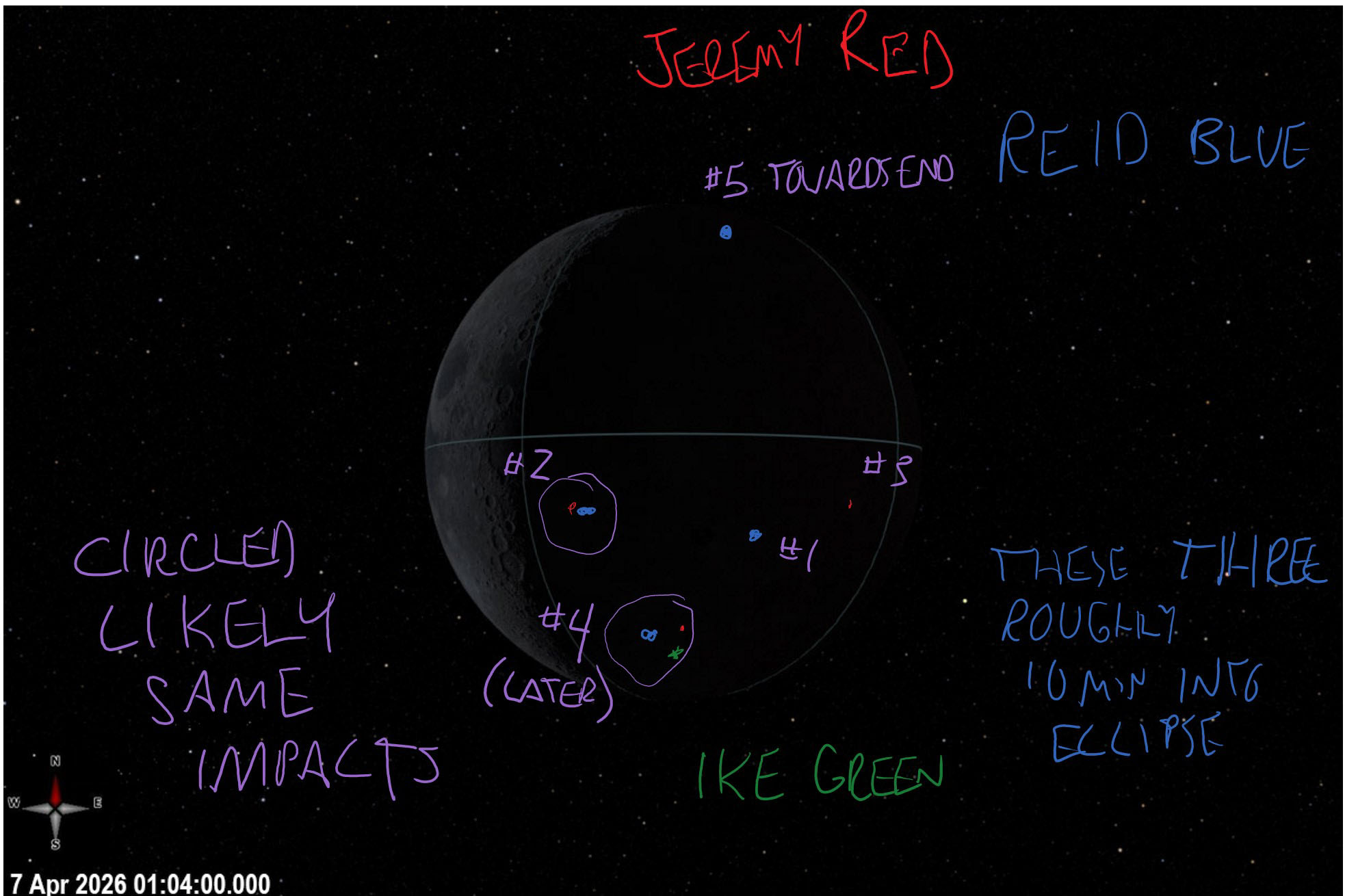
Artemis II astronauts annotate photo of Moon eclipsing the Sun from lunar mission
NASA released a crew member's handwritten notes on an image capturing impact flashes during a solar eclipse observed from the Artemis II mission.

Tropical Storm Isaias forms in southern Gulf of Mexico, expected to strengthen rapidly
The US National Hurricane Center says a tropical depression has intensified into a named storm, with significant further strengthening forecast in the coming days.

World's largest chinstrap penguin colony hit by 'alarming' population decline
Scientists blame climate change for a dramatic drop in the number of chinstrap penguins on a remote volcanic island.

Crew Dragon Spacecraft With Russian Cosmonaut Fedyayev Undocks From ISS
The Crew-12 mission, which has been working aboard the International Space Station since mid-February, has begun its return journey.

Tropical Storm Isaias Forecast to Become First Atlantic Hurricane of 2026
After an unusually quiet season linked to El Niño, Isaias is now expected to strengthen into a hurricane and impact the southern United States.

Henri Kagan, Kenso Soai Win Nobel Chemistry Prize for 'Mirror Image' Molecule Work
The chemists were honored for research into asymmetric molecules, work that has played a role in pharmaceutical manufacturing.