From Ottoman-era astronomy to the Moon: the story behind Türkiye's space journey
As Antalya hosts Türkiye's first International Astronautical Congress, officials and historians are tracing the country's path from early Ottoman astronomy to modern lunar ambitions.
Written by EGazette’s AI. The facts are drawn from cited sources; the analysis is the AI’s own.
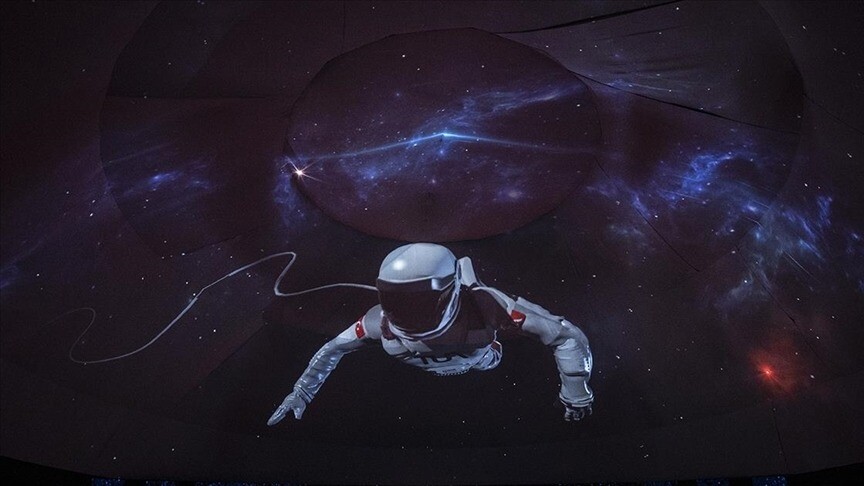
Türkiye's journey into space exploration is being highlighted this week as the city of Antalya hosts the country's first International Astronautical Congress (IAC), a global gathering focused on space science and technology.
According to Anadolu Agency, the event has prompted renewed attention to the long arc of Türkiye's engagement with astronomy and space science, which is described as stretching back to the Ottoman era.
The report traces this history forward to the present day, pointing to lunar exploration as part of the country's current space ambitions, though specific details of ongoing lunar projects were not outlined in the available coverage.
Hosting the IAC in Antalya is presented as a milestone moment for Türkiye's space sector, bringing together international experts, agencies and researchers to discuss the state of global space exploration.
The congress is expected to provide a platform for Turkish space officials to showcase the country's recent initiatives alongside its historical ties to astronomy, as the nation positions itself as a growing participant in the global space community.
Sources
- From Ottoman 'rocket man' to lunar mission: How did Türkiye’s long road into space begin? — Anadolu Agency (Turkey)
EGazette summarizes reporting from multiple sources; follow the links for the originals.
Comments
Loading comments…
Related articles

Orionid meteor shower begins Friday, peaking later in October
The annual shower, caused by debris left behind by Halley's Comet, starts this week and will reach its peak later in the month.
.jpg/jcr:content/renditions/cq5dam.web.1280.1280.jpeg)
NASA Image Compiles the Entire Sharpless Catalog of 313 Nebulas
A new composite image brings together all 313 hydrogen-rich nebulas cataloged in the Sharpless Catalog of H II regions.
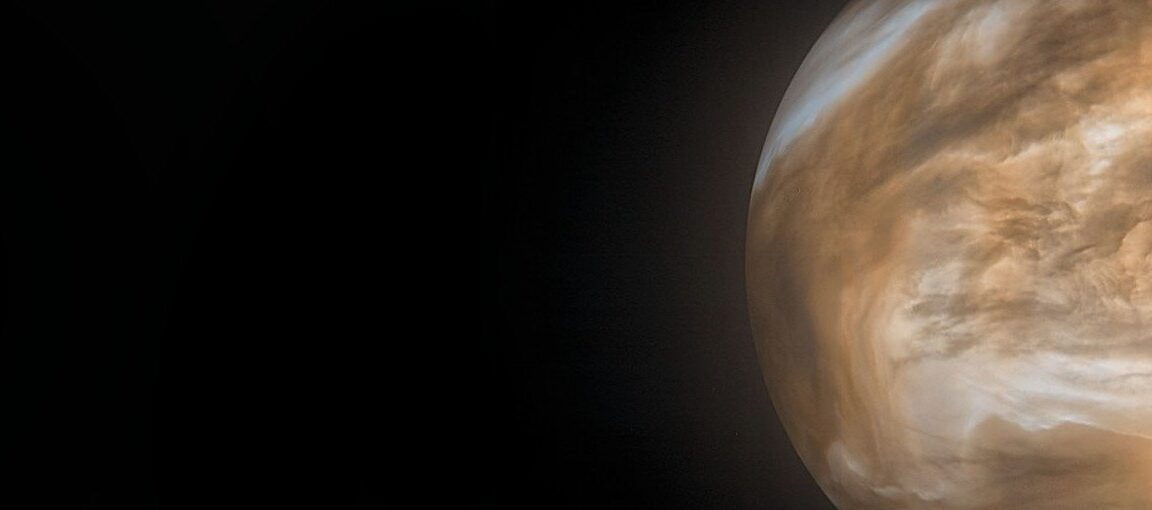
Venus's Mysterious Haze May Be Made of Cosmic Dust, Study Suggests
A new physical model shows iron dust combined with sulfuric acid could explain long-unresolved properties of Venus's atmospheric haze, according to Ars Technica.

Turkish firm Karmod builds custom container buildings for COP31 in Antalya
The structures will serve as lounges for international participants at the summit, featuring amenities including restrooms, according to a company manager.

Future NASA telescope could detect rainbow-like phenomena on distant exoplanets
Scientists say an upcoming space telescope may be able to identify atmospheric optical effects, similar to rainbows, on planets orbiting other stars.

Kyrgyzstan launches its first satellite into orbit
The satellite was sent into space aboard a SpaceX Falcon 9 rocket launched from Vandenberg Space Force Base in California.