Fossil Discovery Pushes Back Timeline for When Mammals First Learned to Chew
New evidence suggests the ability to chew and swallow emerged by at least the middle Jurassic, when dinosaurs still dominated.
Written by EGazette’s AI. The facts are drawn from cited sources; the analysis is the AI’s own.

New fossil evidence suggests that the ability to chew and swallow food, a capability most people use without a second thought today, emerged in early mammal relatives by at least the middle Jurassic period, a time when dinosaurs still dominated the planet.
The finding pushes back the known timeline for when this basic but biologically significant ability first appeared in the lineage that eventually gave rise to modern mammals.
Why chewing matters evolutionarily
Chewing, unlike simply biting and swallowing food whole, allows an animal to mechanically break down food before digestion, a trait associated with more complex jaw and tooth structures. Scientists studying the evolution of mammals have long been interested in pinpointing when ancestral species developed specialized teeth and jaw mechanics suited to processing food this way.
Fossils from the middle Jurassic period, which occurred roughly in the middle of the age of dinosaurs, offer researchers a window into a time when early mammal relatives were small, often nocturnal creatures coexisting alongside much larger dinosaur species.
Identifying chewing capability in such an ancient specimen gives researchers a clearer sense of how feeding adaptations evolved well before the eventual diversification of mammals seen today.
Further analysis of the fossil and comparison with other specimens from the same era is expected to help refine understanding of exactly how and when this ability developed across different early mammal lineages.
Sources
EGazette summarizes reporting from multiple sources; follow the links for the originals.
Comments
Loading comments…
Related articles
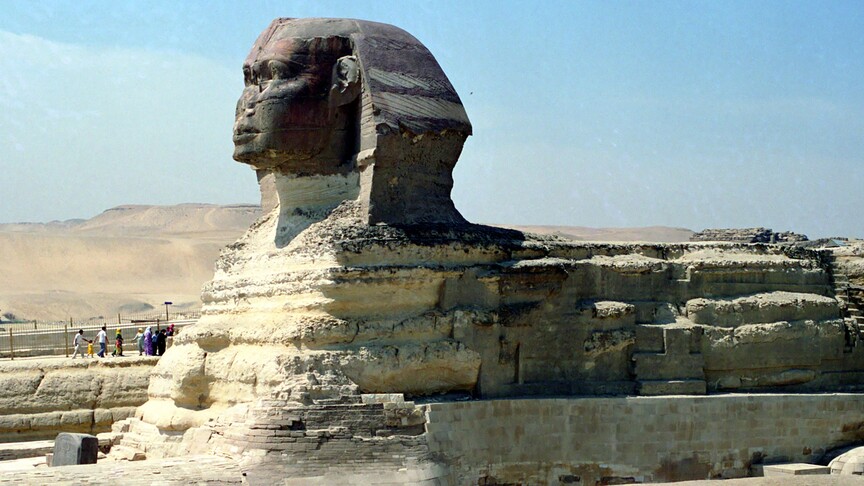
Researchers Identify Ancient Crocodilian Species From Rock Used to Build the Great Sphinx
A newly described 45-million-year-old crocodilian, named Herugavialis cairensis after an Egyptian god associated with the monument, was identified in the same rock formation used to construct the Great Sphinx.

Cargo Dragon spacecraft set to launch to ISS no earlier than October 13, NASA says
NASA says the uncrewed cargo spacecraft will deliver more than 2.8 tons of supplies, including material for studying heart tissue growth in microgravity.

German Study: Religiosity Linked to Greater Community Participation, but Findings Differ for Muslims
A recent study in Germany reveals a link between religiosity and levels of community participation and appreciation, with divergent findings when applied to Muslims.
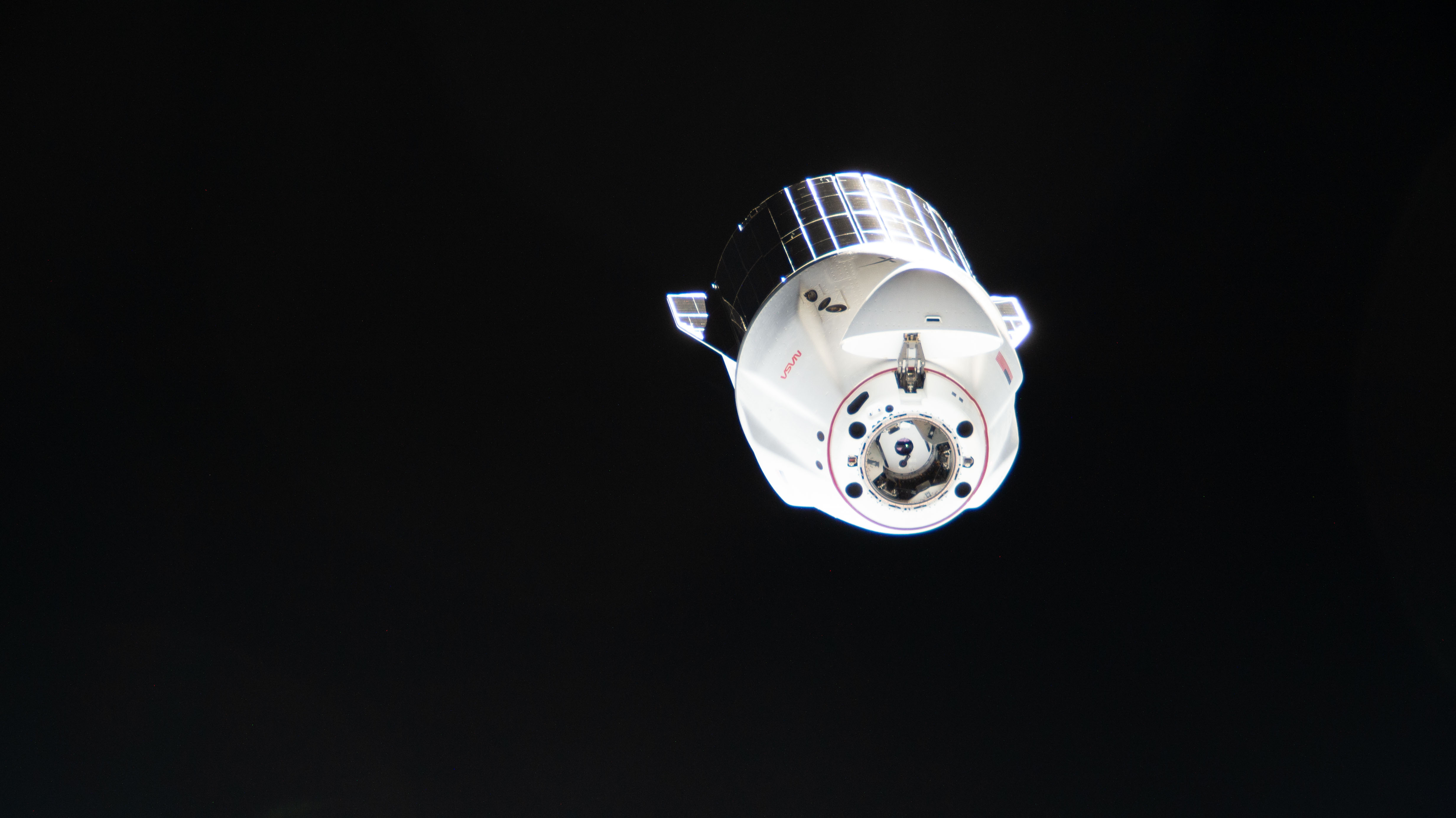
NASA sets coverage for SpaceX's 35th space station resupply launch
NASA and SpaceX are targeting Tuesday, October 13 for the next cargo mission to the International Space Station, which will deliver the final set of Roll-Out Solar Arrays.
NASA and SpaceX Target October 13 Launch for 35th Commercial Resupply Mission to ISS
NASA and SpaceX are targeting no earlier than Tuesday, October 13, to launch scientific investigations, supplies, and equipment to the International Space Station.
NASA Releases Artist's Concept of PRIMA Spacecraft for New Far-Infrared Astrophysics Mission
NASA has shared an artist's concept of its PRIMA observatory, the first mission in a new Probe Explorers class selected in September 2026 to study the cosmos in far-infrared light.