Minors in Ceuta: Will Spain Return Them to Morocco?
Morocco declares its readiness to take back unaccompanied minors from Ceuta, while Spain complains of insufficient Moroccan cooperation, amid questions about the legal framework governing the fate of this migrant population.
Morocco has declared its readiness to take back unaccompanied migrant minors currently in the Spanish city of Ceuta, even as Spanish authorities complain that Morocco is not cooperating adequately to carry out repatriation operations.
This divergence in positions raises questions about the legal framework governing the fate of this most vulnerable category of migrants, in the context of European and international rules, alongside bilateral agreements between Rabat and Madrid that regulate the return of unaccompanied minors.
Under international and European law, any repatriation process for minors must take their best interests into account and must be subject to procedural safeguards that prevent their return to situations that could put them at risk—a requirement that makes repatriation operations a complex process that often takes considerable time.
Despite Rabat's stated willingness to cooperate, Spanish accusations of insufficient coordination point to practical obstacles that prevent the implementation of repatriation mechanisms that are theoretically agreed upon between the two countries.
The fate of thousands of minors stranded in Ceuta remains dependent on whether Rabat and Madrid can overcome procedural disagreements and activate existing bilateral agreements, at a time when mounting humanitarian and human rights pressures are building to expedite solutions to this issue.
Sources
- قاصرو سبتة.. هل تعيدهم إسبانيا إلى المغرب؟ — Deutsche Welle — Arabic
EGazette summarizes reporting from multiple sources; follow the links for the originals.
Related articles
Slovak PM Fico's NATO Article 5 Comments Draw Criticism Over Alliance Commitment
Robert Fico said he wants to keep Slovakia out of war, but critics argue his remarks on NATO's mutual-defense clause raise questions about his commitment to the alliance.
Washington and Tehran Resume Indirect Talks on the Sidelines of UN General Assembly
Indirect communications between the United States and Iran in New York have revived hopes for progress toward ending the war in the Middle East, amid Qatari mediation and intensive diplomatic efforts on the margins of the UN General Assembly meetings.
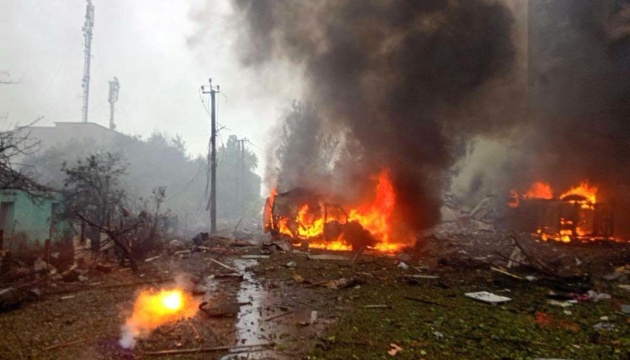
Russian strike on Donetsk region village kills four, Ukraine says
Russian forces dropped four guided aerial bombs on the village of Oleksandrivka on Wednesday morning, killing at least four people and injuring four others.
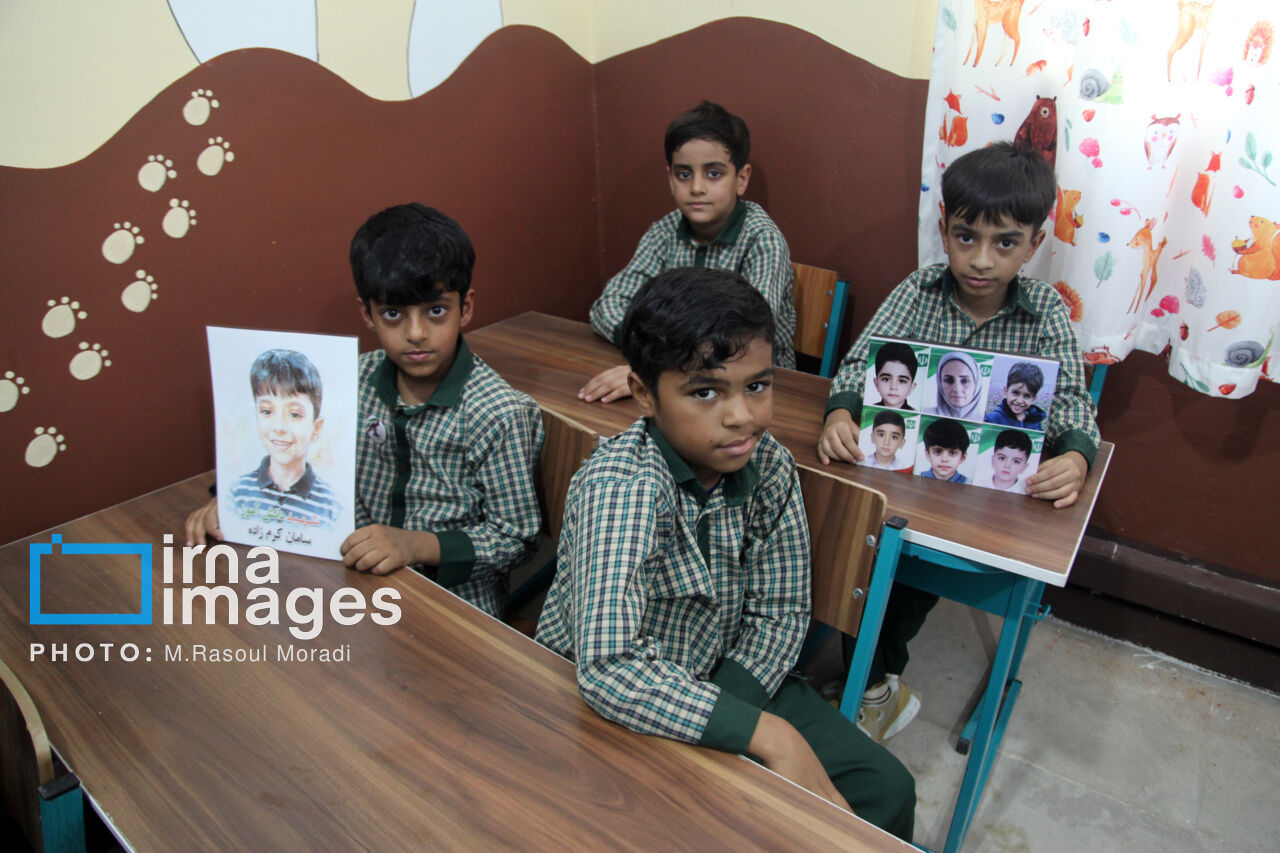
Iranian Foreign Ministry Spokesperson Honors Minab School Victims on First Day of School Year
Esmaeil Baqaei marked the start of the new school year by paying tribute to students Iran says were killed in a US-Israeli strike on a school in Minab.
Russian Security Services Report Foiling Plot Against Official's Motorcade, Detain Suspected Agent in Crimea
Authorities say a Moscow resident tied to a terrorist organization and an 18-year-old from Kerch face charges over separate security incidents.
French foreign minister says Israeli government policies threaten country's own security
Jean-Noel Barrot criticized Israel over its Gaza peace plan, settler violence and West Bank settlement expansion.
Comments
Loading comments…