Slovak PM Fico's NATO Article 5 Comments Draw Criticism Over Alliance Commitment
Robert Fico said he wants to keep Slovakia out of war, but critics argue his remarks on NATO's mutual-defense clause raise questions about his commitment to the alliance.
Slovak Prime Minister Robert Fico has drawn criticism after making remarks concerning NATO's Article 5 mutual-defense clause, with critics arguing that his comments raise questions about Slovakia's commitment to the alliance.
Fico has said that he fears war and will do everything in his power to keep Slovakia out of one, framing his position as one rooted in caution rather than opposition to NATO membership itself.
Critics, however, contend that his remarks risk weakening NATO, an alliance whose Article 5 provision — under which an attack on one member is treated as an attack on all — was specifically designed to deter the kind of conflict Fico says he wants to avoid.
The controversy adds to a pattern of friction between Fico's government and some of Slovakia's NATO and European Union partners, with his administration at times taking positions viewed by critics as more sympathetic to Moscow than those of many fellow alliance members since Russia's invasion of Ukraine.
The episode underscores broader questions within NATO about unity among member states at a time when the alliance's collective-defense commitments are viewed as increasingly consequential given the war in Ukraine and wider regional tensions.
Sources
- Slovakia: PM Robert Fico's NATO Article 5 remarks spark criticism and raise questions about his country's NATO commitment — Deutsche Welle — English
EGazette summarizes reporting from multiple sources; follow the links for the originals.
Related articles
US envoy to NATO downplays claims of Russian plans to target the alliance
US Permanent Representative to NATO Whitaker urged against overreacting to drone incidents in European countries, according to TASS.
Washington and Tehran Resume Indirect Talks on the Sidelines of UN General Assembly
Indirect communications between the United States and Iran in New York have revived hopes for progress toward ending the war in the Middle East, amid Qatari mediation and intensive diplomatic efforts on the margins of the UN General Assembly meetings.
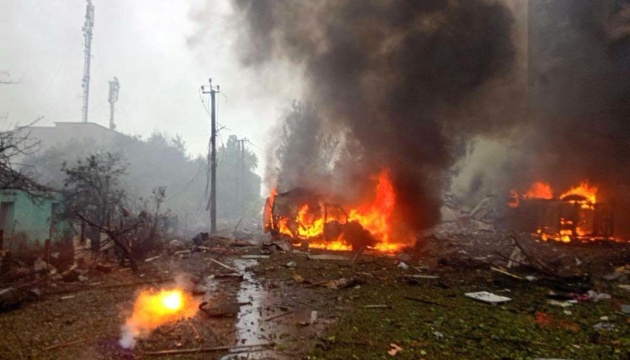
Russian strike on Donetsk region village kills four, Ukraine says
Russian forces dropped four guided aerial bombs on the village of Oleksandrivka on Wednesday morning, killing at least four people and injuring four others.
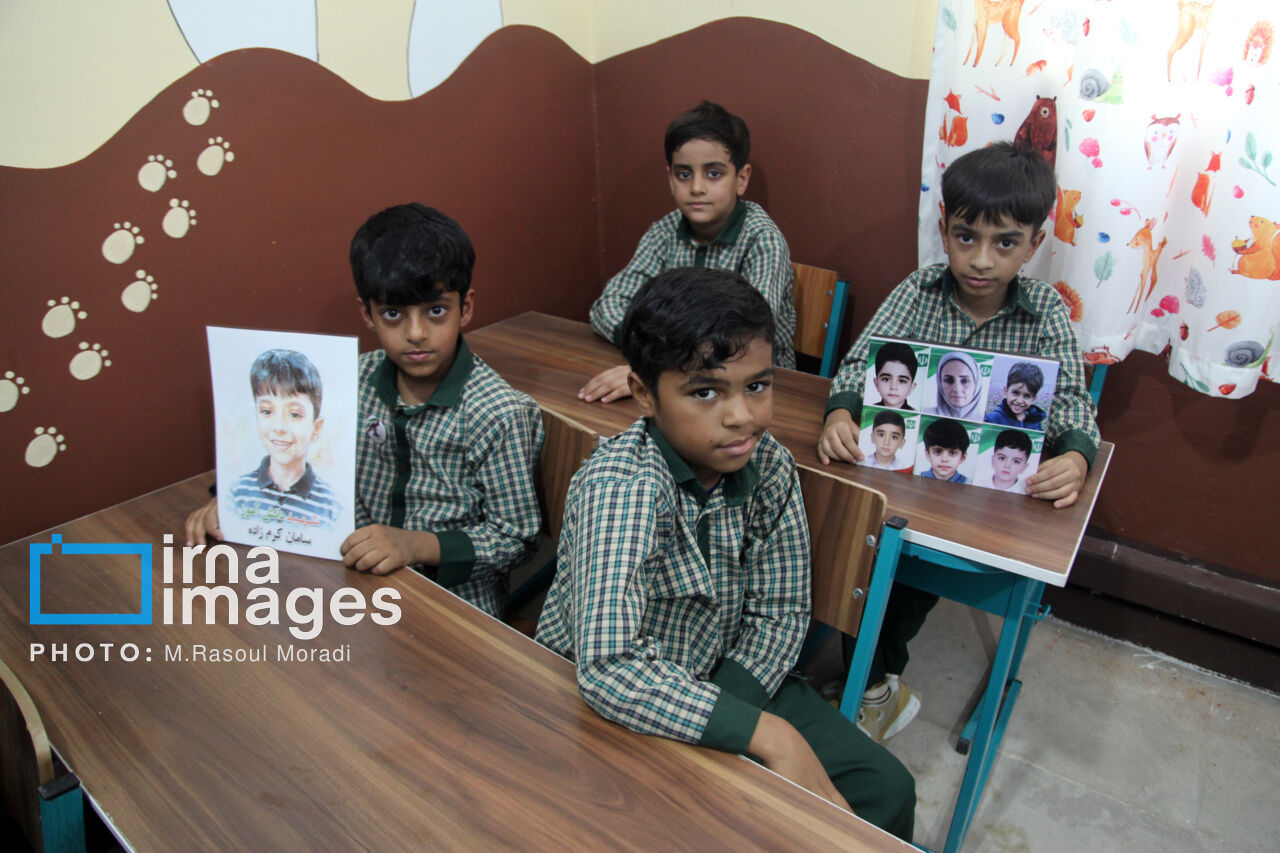
Iranian Foreign Ministry Spokesperson Honors Minab School Victims on First Day of School Year
Esmaeil Baqaei marked the start of the new school year by paying tribute to students Iran says were killed in a US-Israeli strike on a school in Minab.
Russian Security Services Report Foiling Plot Against Official's Motorcade, Detain Suspected Agent in Crimea
Authorities say a Moscow resident tied to a terrorist organization and an 18-year-old from Kerch face charges over separate security incidents.
French foreign minister says Israeli government policies threaten country's own security
Jean-Noel Barrot criticized Israel over its Gaza peace plan, settler violence and West Bank settlement expansion.
Comments
Loading comments…