World Falling Behind on 2030 UN Biodiversity Protection Targets, Groups Warn
Nations agreed to protect 30% of Earth's land and sea by 2030, but with the deadline's halfway point reached, campaigners say current protection levels fall well short.
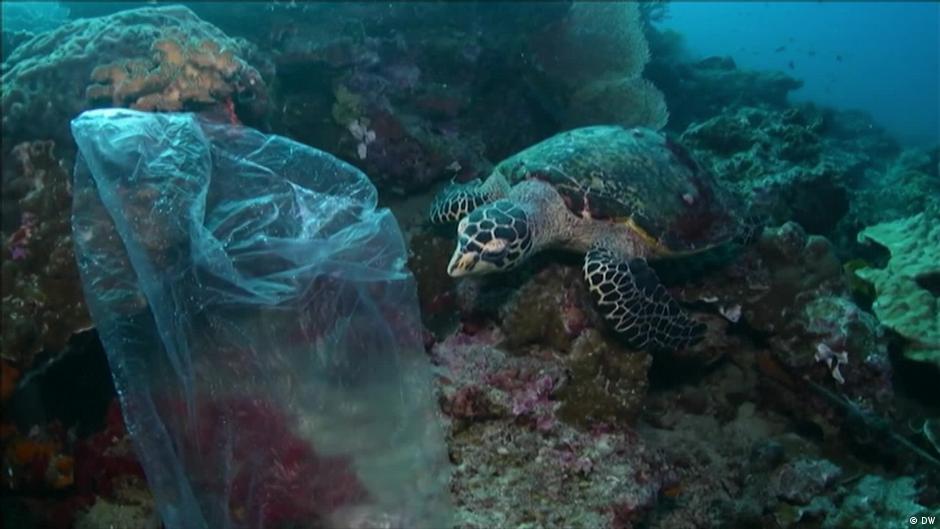
The world is falling behind on a global pledge to protect 30% of the planet's land and ocean by 2030, according to environmental campaigners, as the deadline for the UN-backed target passes its halfway point.
Hundreds of countries signed on to the so-called "30x30" goal as part of the Kunming-Montreal Global Biodiversity Framework, adopted under the UN Convention on Biological Diversity in December 2022. The framework was hailed as a landmark agreement, setting out targets meant to halt and reverse biodiversity loss by the end of the decade.
Activists tracking progress toward the target say the share of land and ocean currently under formal protection remains well below the levels needed to stay on course, even as 2030 draws nearer. Meeting the goal would require a substantial acceleration in designating and enforcing protected areas across both terrestrial and marine environments.
Conservation groups have repeatedly warned that many national governments have been slow to translate the 2022 pledge into binding domestic policy, funding and enforcement. Marine protection in particular has lagged behind land-based targets, with vast stretches of the high seas — areas beyond any single country's jurisdiction — largely unregulated.
The biodiversity framework also included financing commitments, with wealthier nations pledging to help fund conservation in the developing world, an issue that, similar to climate finance talks, has proven contentious in follow-up negotiations.
Sources
- World lagging on key UN biodiversity targets — Deutsche Welle — English
EGazette summarizes reporting from multiple sources; follow the links for the originals.
Related articles
Protecting a third of land and oceans by 2030: a goal still far from being achieved
In the run-up to the biodiversity COP in Yerevan, NGOs believe that conservation is progressing but remains far below the target set at the end of 2022.

Rare Glutinous Snails Lay Eggs During Car Journey to Kent Zoo
A zoo near Canterbury says the snails began laying eggs unexpectedly while being transported to their new home.

Study Finds Opencast Mining Can Reawaken Dormant Geological Faults Miles Away
Research on Germany's Rhenish coalfields finds subsidence from groundwater extraction can extend up to 20km beyond a mine's edge.
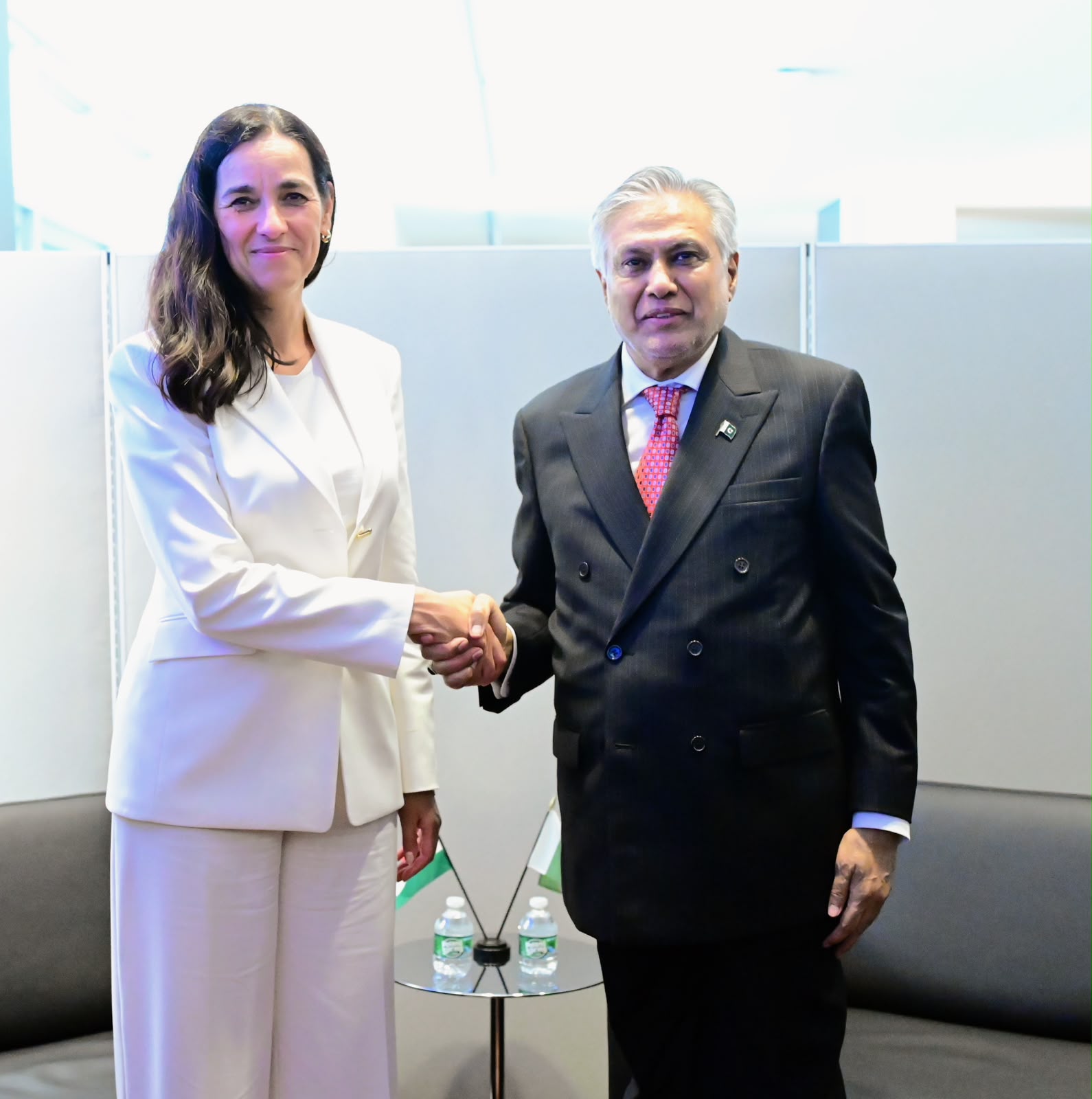
Pakistan, Hungary reaffirm commitment to expand ties in diverse areas
Pakistan's Deputy Prime Minister and Foreign Minister Ishaq Dar met his Hungarian counterpart Anita Orbán on the sidelines of the UN General Assembly, agreeing to strengthen bilateral cooperation.

Artificial Intelligence Takes Centre Stage at UN General Assembly
World leaders, including new British Prime Minister Andy Burnham, addressed the growing global debate over AI during this year's UN gathering.
Muslim Bloc Holds Kashmir Meeting on Sidelines of UN General Assembly
Pakistan's top diplomat used the gathering in New York to highlight concerns over changes to Kashmir's demographic, political and cultural character.
Comments
Loading comments…