WHO Says It Lacks 'Full Picture' From Russia After Suspected Plague Death
The agency is calling for more transparent information sharing from Moscow after a laboratory worker in Siberia died following suspected exposure to plague.
Written by EGazette’s AI. The facts are drawn from cited sources; the analysis is the AI’s own.

The World Health Organization has said it does not yet have the "full picture" from Russian authorities following the suspected death from plague of a laboratory worker in Siberia last week, according to The Guardian.
Darya Shipilova, 28, died two days after falling ill with cold-like symptoms. She was employed at an anti-plague research institute in the eastern Russian city of Irkutsk, and some reports have suggested she may have been infected while working there, though the exact circumstances of her exposure have not been fully confirmed publicly.
The WHO said that transparent information sharing from Moscow is necessary in order for it to conduct a full risk assessment of the case and determine whether there are any broader public health implications. The agency's comments suggest that, as of the report, Russian authorities had not provided the level of detail the WHO considers necessary for such an assessment.
Plague, caused by the bacterium Yersinia pestis, is rare in modern times but still occurs sporadically in various parts of the world, including some regions of Russia, Central Asia, Africa and the Americas, where it can be found in wild rodent populations. Cases are generally treatable with antibiotics when identified early, and modern outbreaks are typically contained quickly when proper protocols are followed.
Russian officials have not publicly detailed the specific nature of Shipilova's work at the institute or confirmed the precise cause of her death at the time of the WHO's statement. The WHO's call for more information follows its standard practice of seeking detailed case data from member states when a death potentially involving a serious infectious disease occurs.
Sources
- WHO says it does not have ‘full picture’ from Russia following suspected plague death — The Guardian — World
EGazette summarizes reporting from multiple sources; follow the links for the originals.
Comments
Loading comments…
Related articles

What is pneumonic plague? A guide to the disease back in the headlines
Renewed attention on the centuries-old disease follows the reported death of a laboratory worker in Russia, prompting questions about how plague spreads and is treated today.
Suspected Pneumonic Plague Case in Siberia Raises Outbreak Fears
Russian authorities say a lab worker who studied plague and other infectious diseases died of pneumonia of unknown cause, prompting concern among health experts.
US Sees No Link Between Irkutsk Infection and Bioweapons Research, Trump Says
The comment follows a Russian health agency statement describing the sanitary situation in the Irkutsk Region as stable.

What to know about the 'plague' quarantine reports in Russia's Irkutsk region
Reports of quarantine measures emerged after Russia's consumer health watchdog diagnosed an employee of the Irkutsk Anti-Plague Research Institute with pneumonia of unknown origin.
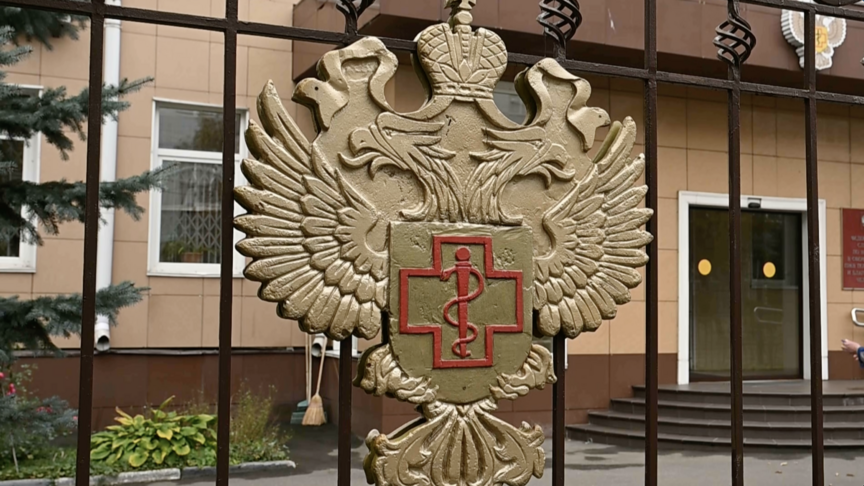
WHO Seeks Further Information From Russia After Lab Worker's Death, Reports of Second Pneumonic Plague Case
Russian authorities tell the WHO that no new cases have recently been registered in the Irkutsk region and that monitoring of identified contacts has been completed.
Ukraine's foreign ministry sees no current threat from possible plague outbreak in Russia
Ukraine's Ministry of Foreign Affairs says there is currently no danger to the country from a possible plague emergence in Russia.