WHO says childhood and adolescent obesity has quadrupled worldwide since 1990
The World Health Organization reports that obesity among 5-to-19-year-olds now affects an estimated 170 million young people globally.
Written by EGazette’s AI. The facts are drawn from cited sources; the analysis is the AI’s own.

The World Health Organization says obesity among children and adolescents has quadrupled since 1990, with the condition now affecting an estimated 170 million young people worldwide.
According to the UN health agency, the prevalence of obesity among 5-to-19-year-olds rose from roughly 2% in 1990 to about 8% in the most recent data cited. The figures place childhood and adolescent obesity among the fastest-growing health concerns tracked by the organization over the past three decades.
A global trend
The WHO's findings point to a broad, worldwide pattern rather than one confined to a single region or income level, reflecting shifts in diet, physical activity and food environments that health officials have linked to rising obesity rates in young people across many countries.
Childhood obesity is associated with a higher risk of a range of health conditions later in life, including type 2 diabetes, cardiovascular disease and certain cancers, according to public health research the WHO and other bodies have published in the past. It can also affect children's mental health and social development.
The organization has previously called on governments to adopt measures such as restrictions on the marketing of unhealthy food to children, improved nutrition labeling and greater investment in physical education, though the specific policy recommendations tied to this latest data were not detailed in the report cited.
The WHO's data is drawn from its ongoing global monitoring of nutrition and health indicators among children and adolescents.
Sources
- Obesity among children, adolescents has quadrupled since 1990, affecting 170M: WHO — Anadolu Agency (Turkey)
EGazette summarizes reporting from multiple sources; follow the links for the originals.
Comments
Loading comments…
Related articles

Study Links Early-Life Sugar Rationing in Britain to Long-Term Health Effects
Research into Britons born during post-war sugar rationing suggests the first 1,000 days of sugar exposure may leave a health mark lasting decades.

Russia Denies Imposing Anti-Plague Measures Following Lab Worker's Death
Moscow rejects reports of plague-related restrictions as the United States calls for transparency and the WHO monitors the situation.
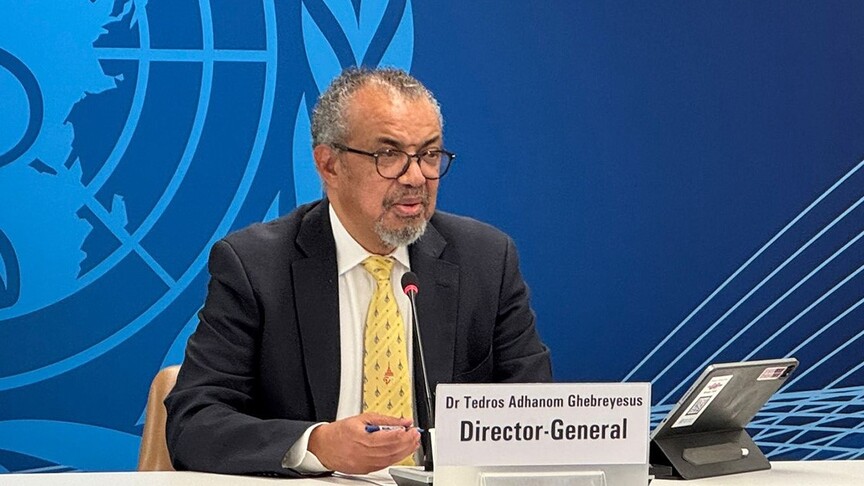
WHO Urges Countries Not to Impose Travel or Trade Restrictions Over Ebola Outbreak
The World Health Organization said it will continue closely monitoring the situation as it cautioned against restrictive measures.

WHO Says It Is in Contact With Russian Authorities Over Irkutsk Region Situation
World Health Organization spokesman Christian Lindmeier said WHO experts are working with Russian health authorities to verify an event and its circumstances in the Irkutsk Region.
Global Life Expectancy Nearing Pre-Pandemic Levels, WHO Says
The World Health Organization says life expectancy worldwide is recovering toward levels seen before the pandemic, even as cardiovascular disease remains the leading cause of death globally.
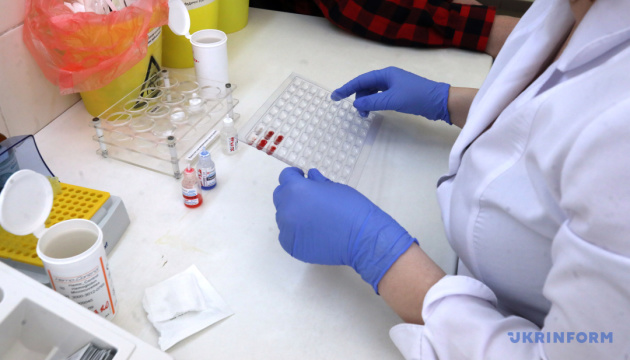
US closely monitoring spread of plague in Russia after Irkutsk death
Washington says it is aware of the death of a woman from plague in Irkutsk, Russia, and is tracking developments.