WHO Issues New Guidelines Warning Against Obesity Drugs for Children Under 10
The World Health Organization says care for young children with obesity should focus on healthy eating and exercise rather than medicines such as weight-loss injections.
Written by EGazette’s AI. The facts are drawn from cited sources; the analysis is the AI’s own.

The World Health Organization (WHO) has issued new global guidelines warning against the use of obesity drugs, including weight-loss injections, in children under the age of 10.
According to the guidance, treatment for obesity in young children should prioritize healthy eating habits and physical activity rather than pharmaceutical interventions, reflecting concerns about the safety and long-term effects of weight-loss medications in this age group.
Focus on lifestyle over medication
The WHO's position places lifestyle-based interventions — including dietary changes and increased exercise — at the center of care for children struggling with excess weight, rather than medicines such as the class of weight-loss injections that have become more widely used in adults and older children in recent years.
The guidelines come amid a global rise in childhood obesity rates and growing scrutiny of how weight-loss drugs, originally developed for adults, are being prescribed or sought for younger patients.
Health authorities and pediatric specialists have previously raised questions about the limited long-term safety data available for the use of such medications in children, particularly those under 10, whose bodies are still developing.
By recommending against pharmaceutical treatment for this age group, the WHO is signaling that non-drug approaches — such as family-based nutrition counseling and encouraging physical activity — should remain the standard of care until more is known about the risks and benefits of medication use in young children.
The new guidance is likely to influence national health systems and pediatric associations as they update their own clinical recommendations for managing childhood obesity, an issue public health officials have identified as a growing concern worldwide.
Parents and caregivers seeking guidance on childhood weight management are typically advised to consult pediatricians or family doctors, who can tailor recommendations to a child's individual health needs rather than relying on medications intended for older patients.
Sources
EGazette summarizes reporting from multiple sources; follow the links for the originals.
Comments
Loading comments…
Related articles
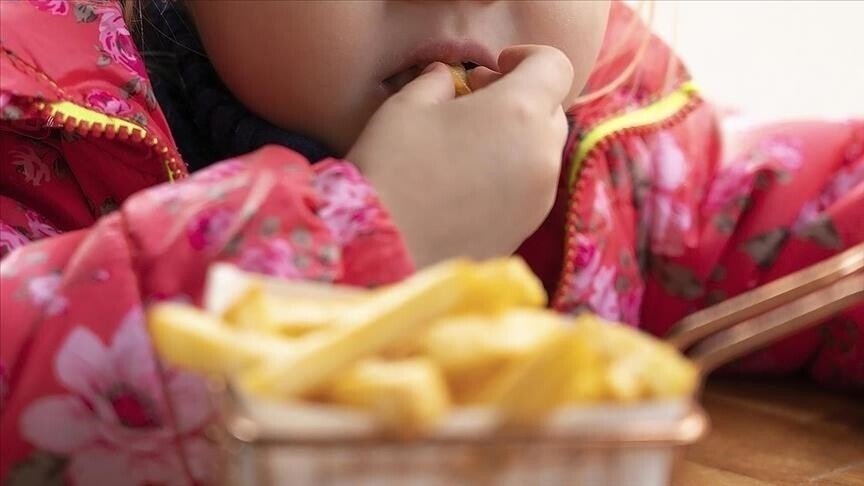
WHO says childhood and adolescent obesity has quadrupled worldwide since 1990
The World Health Organization reports that obesity among 5-to-19-year-olds now affects an estimated 170 million young people globally.

Study Links Early-Life Sugar Rationing in Britain to Long-Term Health Effects
Research into Britons born during post-war sugar rationing suggests the first 1,000 days of sugar exposure may leave a health mark lasting decades.

Russia Denies Imposing Anti-Plague Measures Following Lab Worker's Death
Moscow rejects reports of plague-related restrictions as the United States calls for transparency and the WHO monitors the situation.
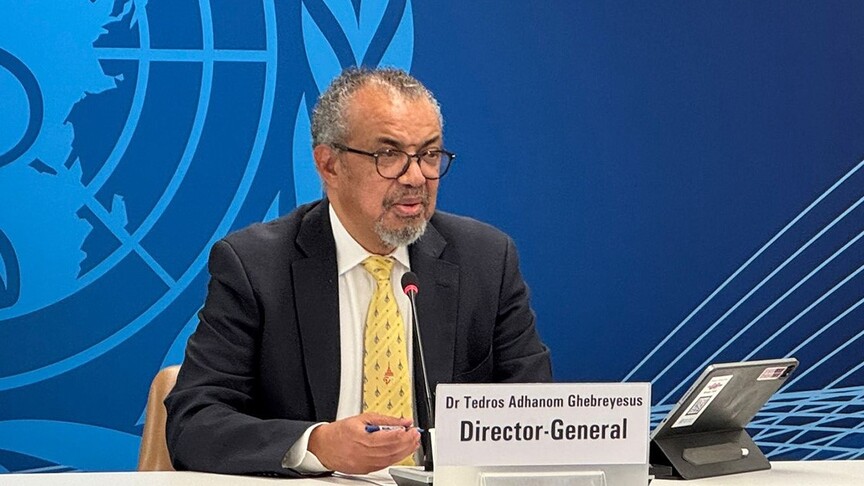
WHO Urges Countries Not to Impose Travel or Trade Restrictions Over Ebola Outbreak
The World Health Organization said it will continue closely monitoring the situation as it cautioned against restrictive measures.

WHO Says It Is in Contact With Russian Authorities Over Irkutsk Region Situation
World Health Organization spokesman Christian Lindmeier said WHO experts are working with Russian health authorities to verify an event and its circumstances in the Irkutsk Region.
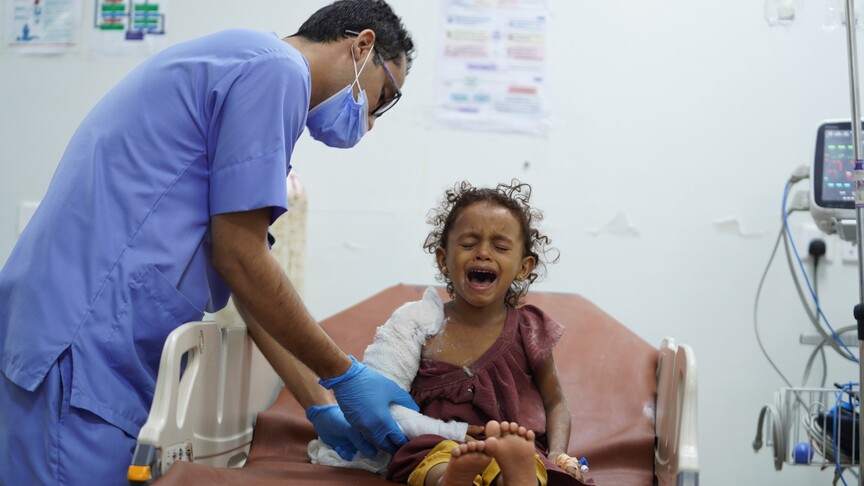
WHO Warns Escalating Conflict in Yemen Takes 'Devastating Toll'
Nearly 1,000 people killed and over 4,200 injured since the latest escalation, the WHO chief says.