What Is AI Model Distillation, and Why Is It So Hard to Stop?
Anthropic and OpenAI have accused Chinese AI developers of mining their models' outputs to train cheaper copycats, reviving scrutiny of a widely used technique called distillation.
Written by EGazette’s AI. The facts are drawn from cited sources; the analysis is the AI’s own.
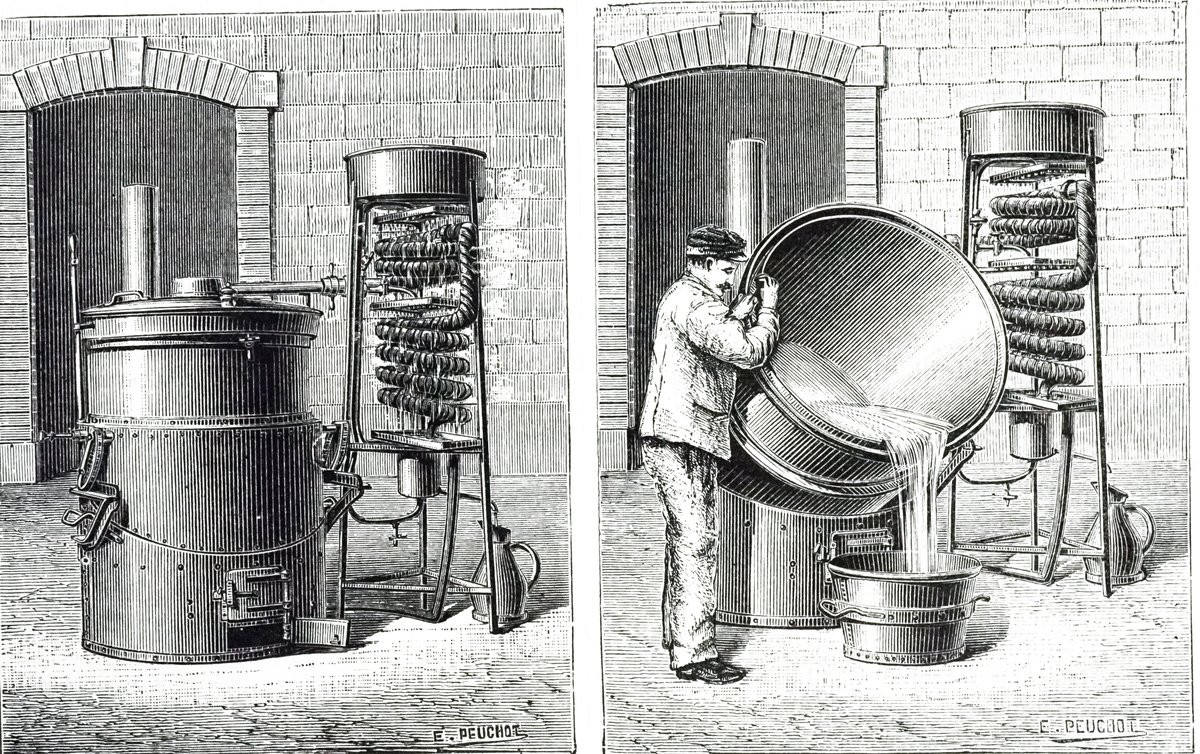
Anthropic and OpenAI have accused Chinese AI developers of using their models' own responses to train cheaper, competing systems, a practice known in the industry as distillation.
Distillation generally refers to a process in which a smaller or less expensive "student" model is trained to mimic the outputs of a larger, more capable "teacher" model. By feeding large numbers of prompts into an established system and training a new model on its answers, developers can produce a system that approximates the original's performance at a fraction of the cost and computing resources required to build it from scratch.
The technique has long been used within the AI industry for legitimate purposes, such as compressing a large model into a smaller version that runs more efficiently. The accusations from Anthropic and OpenAI, however, center on the use of distillation to replicate a competitor's proprietary model without authorization, raising concerns about intellectual property and the costs of frontier AI development being effectively bypassed.
Stopping distillation is difficult because the technique typically relies only on a model's public-facing outputs, generated in response to ordinary user queries made through standard interfaces. Distinguishing between legitimate use and systematic harvesting of responses for training purposes is a significant technical and enforcement challenge, since both can look similar at the level of individual queries.
The dispute highlights broader tensions in the AI industry over how much protection companies can expect for models that are, by design, made accessible to the public through chat interfaces and APIs.
Sources
- What is AI model distillation, and why is it so hard to stop? — Scientific American
EGazette summarizes reporting from multiple sources; follow the links for the originals.
Comments
Loading comments…
Related articles
OpenAI publishes findings from unreleased model on hundreds of math problems
The company says the results come from an unreleased system and are at varying stages of verification.

Common Sense Media Calls OpenAI's ChatGPT for Teens an 'Unacceptable Risk'
The youth-safety nonprofit says the teen-focused version of ChatGPT, launched in August with built-in guardrails, still poses risks it considers unacceptable for young users.

OpenAI releases new batch of mathematical results from unreleased AI model
The release of 722 manuscripts covering hundreds of mathematical problems extends a string of AI-driven breakthroughs that have also raised questions about research ethics.

Microsoft holds Windows and Surface event focused on local AI on PCs
Executives from Microsoft and Nvidia are set to discuss how on-device AI will shape the next generation of Windows hardware.

Meta's Muse AI Assistant Tops App Charts, But Still Needs a Business Model
Meta's personal AI agent, Muse, is drawing strong early downloads while the company is still working out how to make money from it.

Google Ordered to Halt Work on Two Data Centers in Finland
The pause affects projects in a country that has rapidly become one of Europe's most prominent data center hubs amid the AI boom.