Ukrainian Official Dzhemilev: Russia's Borders Will End Where It 'Gets Hit Hard'
Mustafa Dzhemilev argues diplomatic means alone cannot stop Russian aggression against Ukraine, saying force is necessary to halt the conflict.
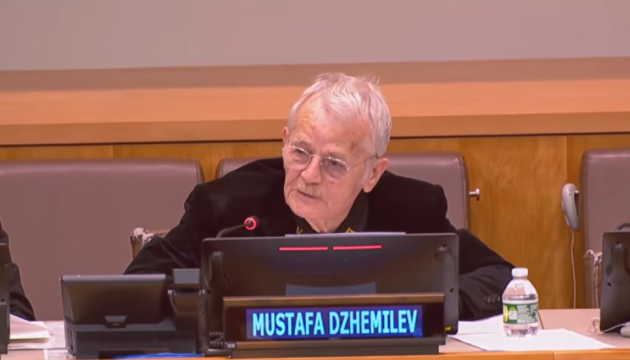
Ukrainian official Mustafa Dzhemilev has argued that Russia's aggression against Ukraine cannot be stopped through peaceful and diplomatic means alone, stating that force is necessary to halt what he described as Moscow's effort to destroy Ukraine, according to Ukrinform.
Dzhemilev's comments reflect a viewpoint shared by some Ukrainian officials and analysts who argue that continued military resistance, rather than diplomacy alone, is required to change the trajectory of the conflict and establish lasting boundaries to Russian territorial ambitions.
The Argument for Military Pressure
The framing that Russia's "borders will end where it gets hit hard" suggests a view that battlefield outcomes, rather than negotiated settlements, will ultimately determine the practical limits of Russian territorial claims in the ongoing war. This perspective emphasizes military deterrence as the primary mechanism for constraining further aggression.
Dzhemilev, a longtime figure in Ukrainian and Crimean Tatar political circles, has been a vocal advocate for strong international and military support for Ukraine throughout the conflict, framing the war as an existential struggle for Ukrainian sovereignty.
Context Within the Wider Conflict
The comments come amid continued debate among Ukrainian officials, international partners and analysts about the appropriate balance between military support and diplomatic engagement as the war with Russia continues. Proponents of the position articulated by Dzhemilev argue that diplomatic overtures alone have not proven sufficient to change Russian behavior.
The statement adds to the broader public discourse in Ukraine regarding strategy for the war, as the country continues to navigate both battlefield realities and its relationships with international allies and partners.
Sources
- Russia's borders will end where it gets hit hard -- Dzhemilev — Ukrinform (Ukraine)
EGazette summarizes reporting from multiple sources; follow the links for the originals.
Related articles

Zelensky tells UN General Assembly to keep squeezing Russia's war revenues
Ukraine's president urged world leaders to maintain pressure on Moscow's income streams, calling continued economic pressure essential to impeding Russia's war effort.

Zelensky Says He Is Ready for Energy-Site Moratorium, but Kremlin Stays Silent
Ukraine's leader signaled willingness to halt strikes on Russian energy sites if Moscow reciprocates, after French President Emmanuel Macron urged a mutual moratorium at the UN.

Trump Pushes for Russia-Ukraine 'Energy Truce' as Strikes on Energy Sites Continue
Talk of a possible halt to attacks on energy infrastructure comes even as strikes on such targets continue without pause, raising doubts about whether a truce could hold.
Ukraine's Foreign Minister Accuses Russia of New Tactics to Terrorize Civilians via Data Center Strikes
Andrii Sybiha says attacks on infrastructure that provides civilians with access to information are a deliberate strategy.

Russian Strikes Kill Six in Ukraine After Zelenskyy-Trump Talks
The attack came after Ukraine's president met with Donald Trump to discuss a potential bilateral ceasefire covering energy-related targets.

US Declines to Join Anti-Russian Statement on Ukraine at UN
The statement, read by EU foreign policy chief Kaja Kallas and Ukrainian Foreign Minister Andrey Sibiga, was not joined by Washington.
Comments
Loading comments…