UK Minister Says New Anti-Disinformation Unit Will Not Target Domestic Political Dissent
Health Secretary Wes Streeting sought to reassure critics after Andy Burnham announced a National Centre for Information Defence in a UN speech.
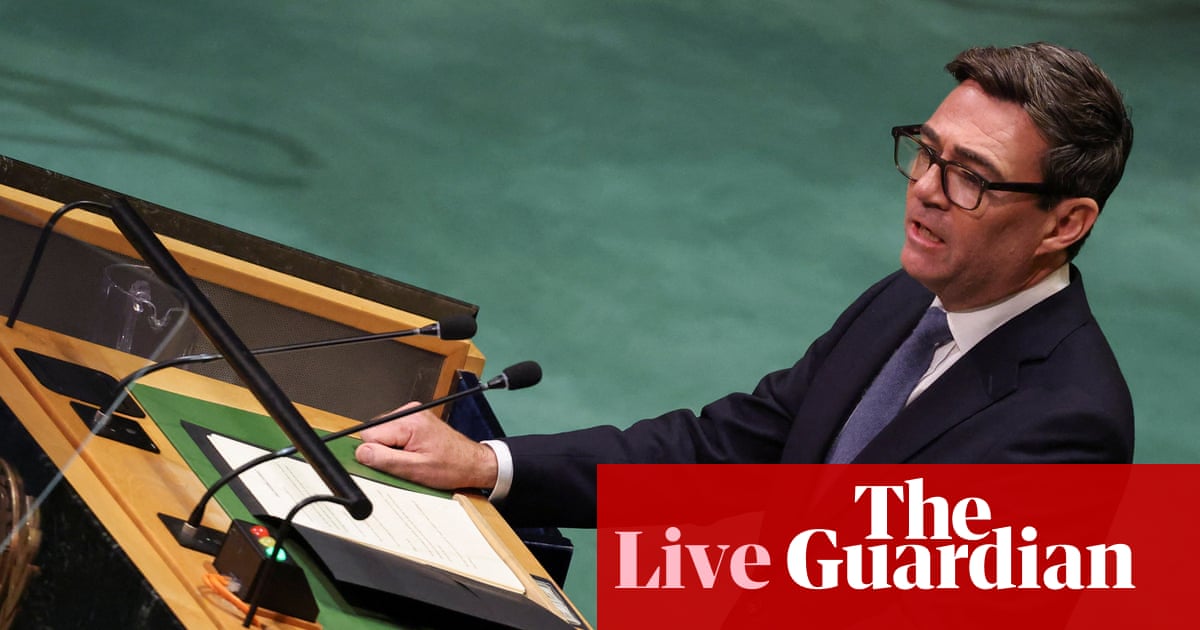
British minister Wes Streeting said a newly announced UK anti-disinformation unit would not be used to police domestic political dissent, following criticism that such a body could be used to suppress legitimate criticism of the government, according to a live report from The Guardian.
Streeting's comments, made to GB News, came after Andy Burnham used a speech to the United Nations to announce the creation of what he called a National Centre for Information Defence. Burnham said the initiative was necessary because, in his words, the country had “given too much ground” to those pushing a “negative, corrosive narrative” about life in Britain that he said bore little resemblance to reality.
Framed as a response to foreign interference
Burnham described what he characterized as an “industrial-scale assault” by hostile actors on the information environment in the UK and among its allies, saying Russian agencies in particular had used various means to spread disinformation and exploit public fears.
He also emphasized that freedom of expression, including the freedom to challenge and criticize the government, remained a value he said he had a responsibility to defend.
Streeting's remarks appeared aimed at addressing concerns that the new centre could be turned against domestic critics of the government rather than focused solely on foreign disinformation campaigns. He said explicitly that the government was “not interested in policing domestic political dissent.”
Further details on the structure, funding, and specific mandate of the National Centre for Information Defence were not immediately available.
Sources
- PM’s new anti-disinformation unit won’t target ‘domestic politcal dissent’, defence secretary says – UK politics live — The Guardian — World
EGazette summarizes reporting from multiple sources; follow the links for the originals.
Related articles

Artificial Intelligence Takes Centre Stage at UN General Assembly
World leaders, including new British Prime Minister Andy Burnham, addressed the growing global debate over AI during this year's UN gathering.

UK Defence Secretary Says New Anti-Disinformation Unit Won't Target Domestic Dissent
Wes Streeting sought to reassure critics that a planned National Centre for Information Defence will not be used to police political disagreement.
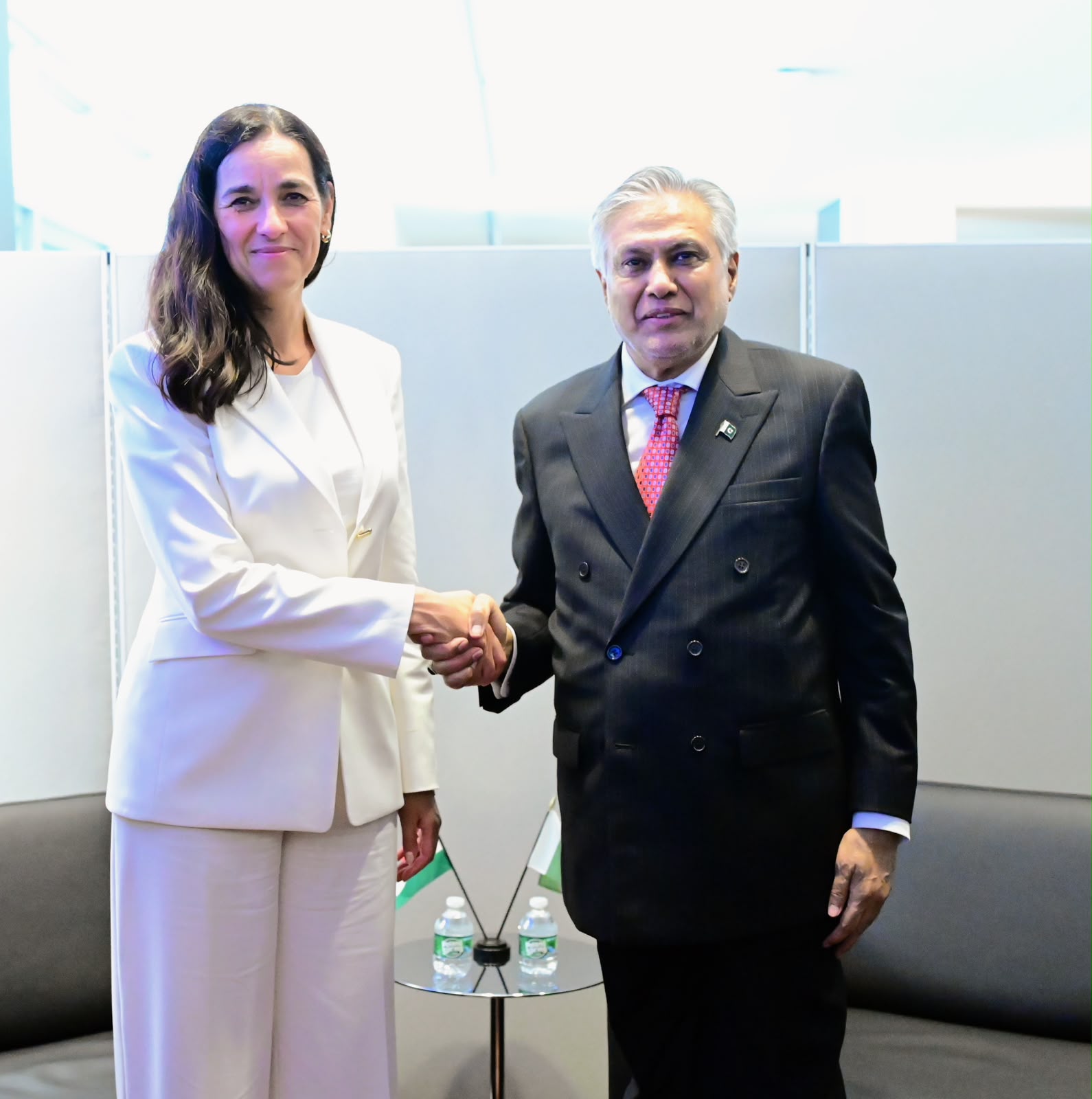
Pakistan, Hungary reaffirm commitment to expand ties in diverse areas
Pakistan's Deputy Prime Minister and Foreign Minister Ishaq Dar met his Hungarian counterpart Anita Orbán on the sidelines of the UN General Assembly, agreeing to strengthen bilateral cooperation.
Muslim Bloc Holds Kashmir Meeting on Sidelines of UN General Assembly
Pakistan's top diplomat used the gathering in New York to highlight concerns over changes to Kashmir's demographic, political and cultural character.
World Leaders Say UN Security Council Is Failing to Function
Multiple heads of state used their UN General Assembly addresses to criticize the Security Council's inability to act on major global crises.
Brazil's UN Envoy Commends Russia's Contribution to Strengthening Biological Weapons Treaty
Frederico S. Duque Estrada Meyer said the Biological and Toxin Weapons Convention should serve as a tool for dialogue, transparency and confidence-building between states.
Comments
Loading comments…