The QB2 Talent Drain: Why Backup Quarterbacks Are Hard to Keep in College Football
A look at the difficulty programs face recruiting, retaining and compensating backup quarterbacks in the current college football landscape.
Written by EGazette’s AI. The facts are drawn from cited sources; the analysis is the AI’s own.
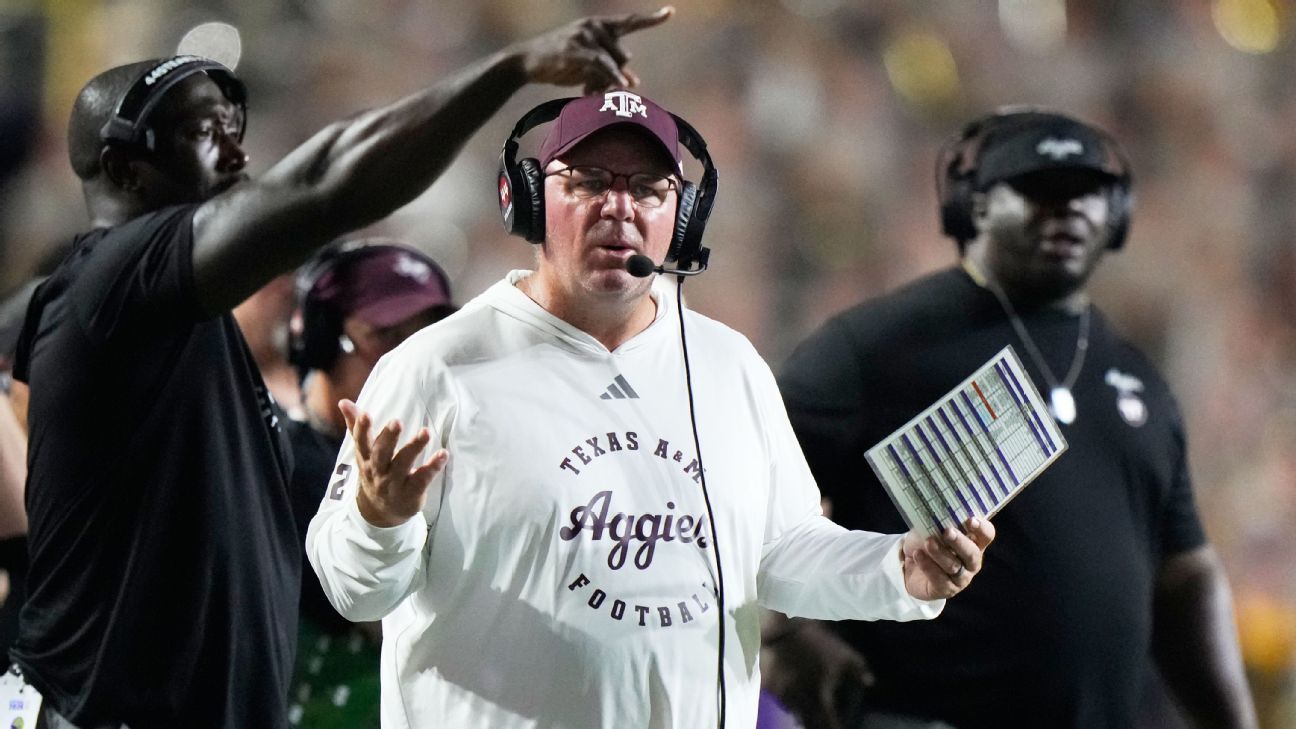
College football programs are increasingly finding it difficult to recruit, retain and pay backup quarterbacks, a dynamic shaped by the sport's evolving transfer and compensation rules, according to ESPN reporting on what has been described as a "QB2 talent drain."
The quarterback position has long been considered the most valuable on a college football roster, but the rise of the transfer portal and name, image and likeness (NIL) compensation has changed how backup quarterbacks weigh their options. A talented player who is not winning the starting job at one program now has a more realistic and often lucrative path to transfer elsewhere in search of playing time, rather than waiting on the bench for an opportunity that may never come.
This shift has made it harder for coaching staffs to build quarterback depth the way programs traditionally did, when backup quarterbacks were more likely to stay in place for multiple seasons as a hedge against injury or poor starter performance. Today, a highly regarded backup is more likely to depart if he is not given a clear path to meaningful playing time, leaving programs to continually re-recruit the position through high school recruiting or the transfer portal rather than developing it internally.
Compensation adds another layer of complexity: paying a backup quarterback at a level competitive with what he might receive as a starter elsewhere can strain a program's NIL budget, particularly when that budget must also cover other premium positions. Programs are increasingly weighing how much to invest in quarterback depth against the risk that a well-compensated backup could still choose to leave for a starting opportunity.
The result, according to the reporting, is a landscape in which maintaining quarterback depth — once viewed as a straightforward insurance policy — has become one of the more strategically difficult roster-building challenges in college football.
Sources
EGazette summarizes reporting from multiple sources; follow the links for the originals.
Comments
Loading comments…
Related articles

Betting Preview: Over or Under in Alabama-Georgia Showdown?
ESPN's Pamela Maldonado breaks down the numbers behind the total points line for the Alabama-Georgia game in Tuscaloosa.

How 45 head coaches trace their roots back to Nick Saban's coaching tree
Across four college programs and one NFL stop, Saban's influence has spread through dozens of coaches who have gone on to reshape modern football.
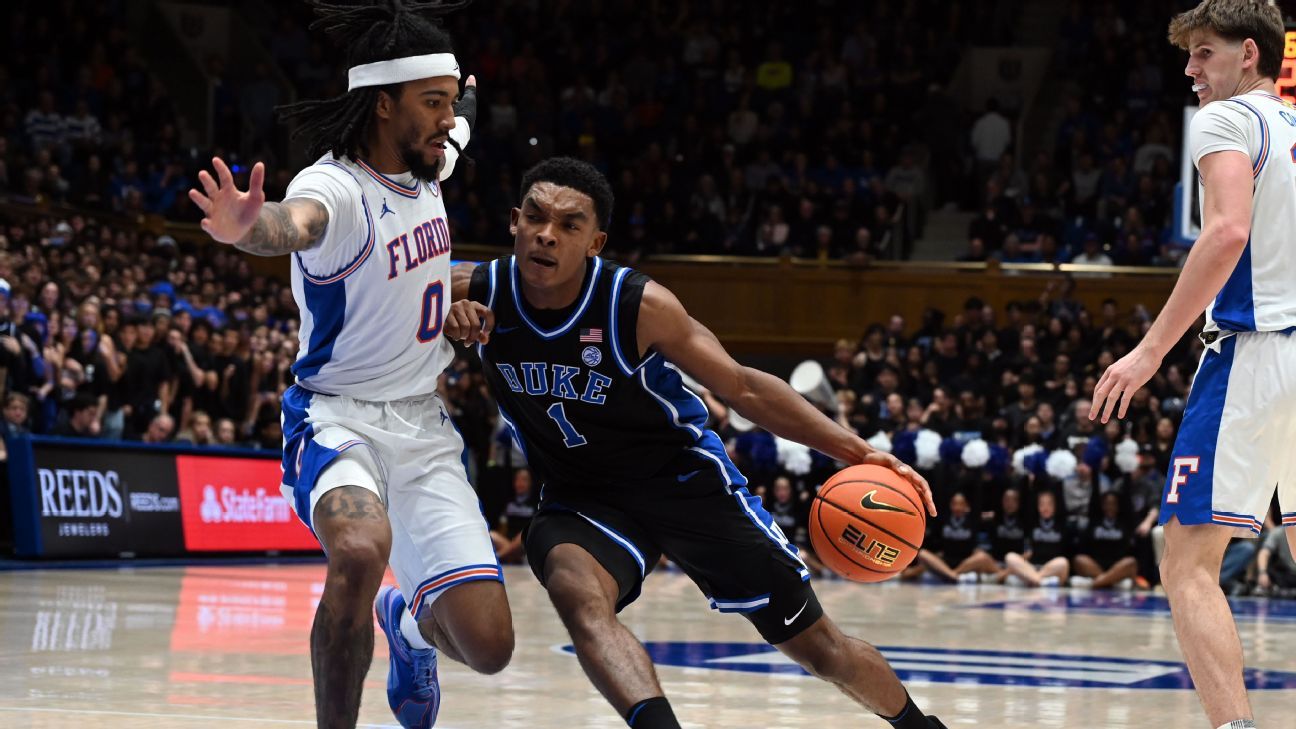
College football preseason top 25: Best-case and worst-case scenarios for contenders
Florida holds the No. 1 spot regardless of a key eligibility ruling, while other ranked teams face tougher stakes over similar questions.
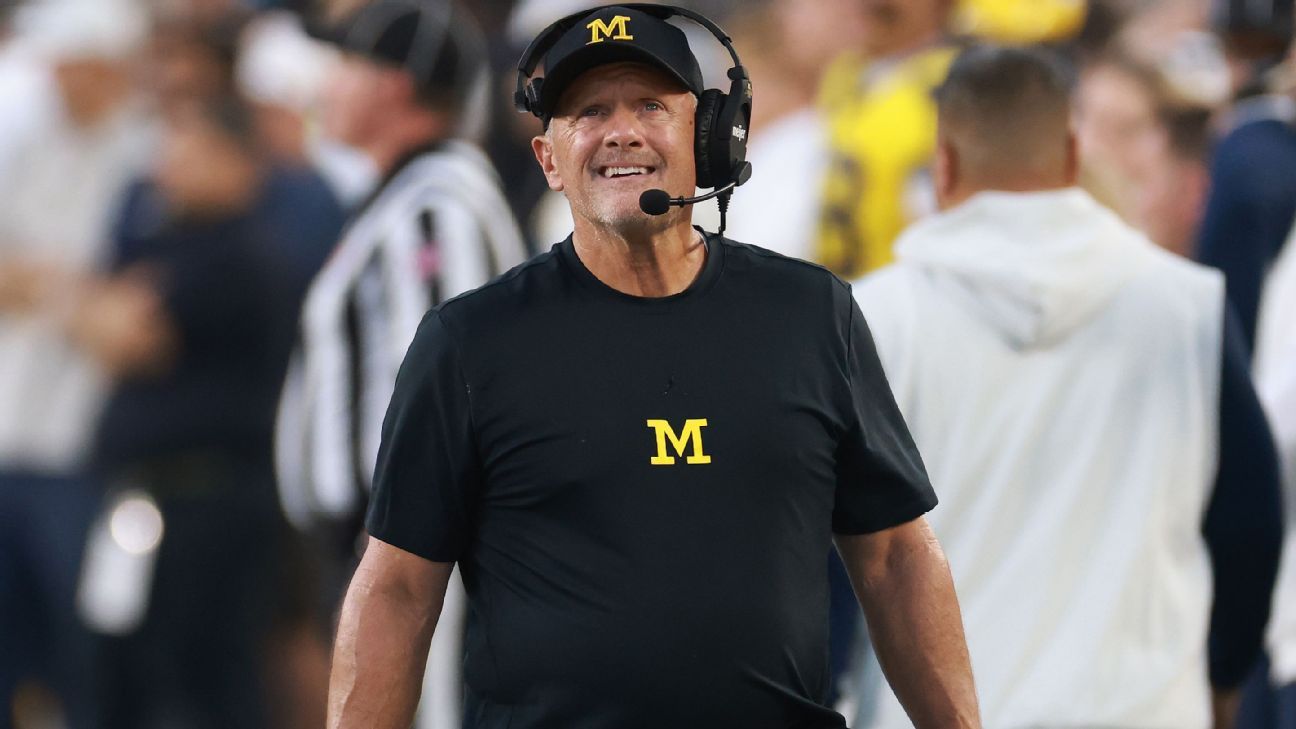
Michigan returns to the Bottom 10 after a comfortable stay last week
The Wolverines find themselves back among college football's lowest-ranked teams after a difficult showing.
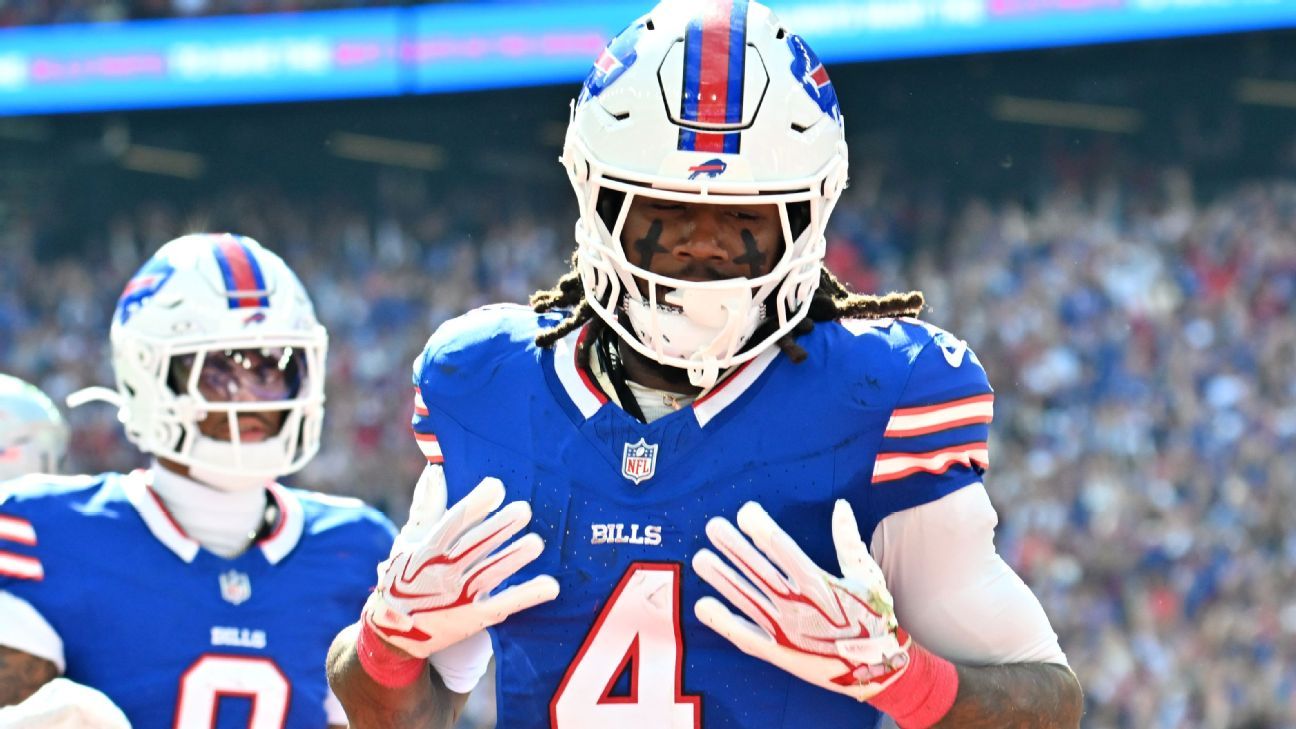
NFL Week 5 fantasy matchup rankings: D'Andre Swift gets upgrade, James Cook III faces tougher spot
A look at the most and least favorable Week 5 matchups across the four key fantasy positions.
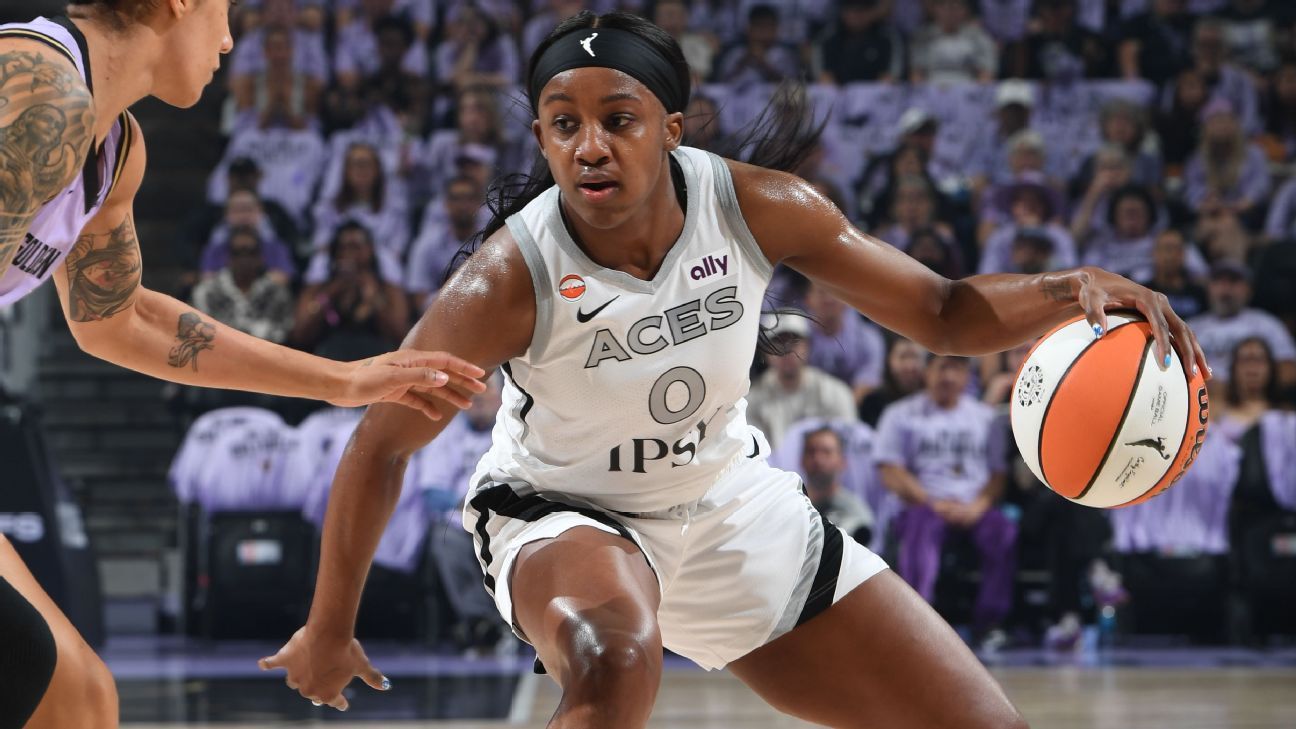
Jackie Young looks to lead Aces back in WNBA semifinal series
Without the individual accolades of some teammates, Jackie Young remains central to Las Vegas's hopes of evening its semifinal series against the Valkyries.