TechCrunch Commentary Questions AI Labs' Push for In-House Auditors, Points to Simpler Fixes
A TechCrunch piece argues that before AI companies build internal auditing teams to catch rogue AI agents, they might consider tightening access controls at the source.

A commentary published by TechCrunch on September 16 examines a growing trend among artificial intelligence companies: the push to establish in-house auditing teams tasked with monitoring AI agents for unsafe or unintended behavior, according to the report.
The piece suggests that while such auditing efforts aim to catch problems after they occur, there may be a more direct approach available to AI labs, according to TechCrunch. The article's framing points to restricting or limiting the initial access and permissions granted to AI agents as a potentially simpler and more effective safeguard than after-the-fact oversight structures.
The commentary uses the metaphor of a "front door" to describe the entry points through which AI agents can act with broad autonomy or access, according to the report. The suggestion is that reducing what agents are permitted to do from the outset could prevent problems that in-house auditors would otherwise have to detect and correct later, according to TechCrunch.
The report does not specify which AI labs are currently building or expanding internal auditing functions, nor does it detail specific technical measures for restricting agent access. TechCrunch's piece appears to be an analysis or opinion-oriented take on industry practices around AI safety and governance rather than a report based on new data or named sources, based on the available excerpt.
The broader context reflects ongoing industry discussion about how AI companies should structure internal safety mechanisms as autonomous AI agents become more capable and more widely deployed, according to the report.
Sources
EGazette summarizes reporting from multiple sources; follow the links for the originals.
Related articles

AI industry workers express skepticism about existential risk warnings
Multiple employees at leading AI companies doubt predictions that the technology could pose catastrophic threats to humanity.
Canadian AI Pioneer Warns of Risks From Unchecked Artificial Intelligence
A Canadian researcher widely referred to as a "godfather of AI" has cautioned that artificial intelligence could pose serious threats if left unregulated, according to a report by Anadolu Agency.
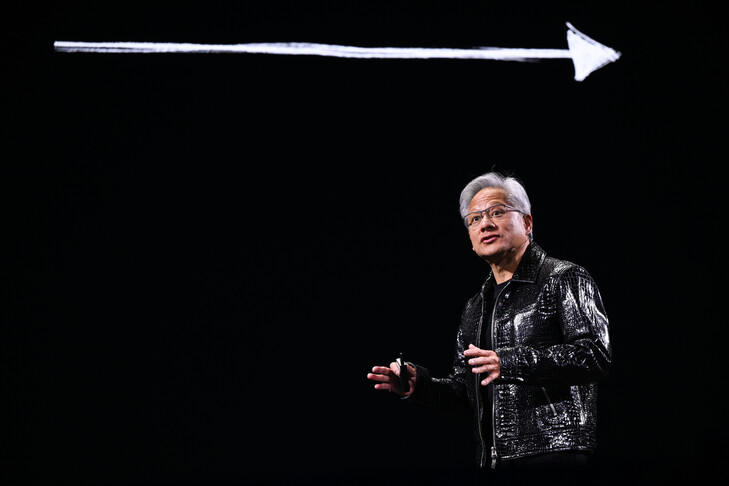
Nvidia's Huang Says AI Development Should Advance 'As Fast As We Can'
Nvidia's chief executive said artificial intelligence progress should not be slowed, while stressing that products must remain safe, amid an ongoing industry debate over the pace of frontier AI development.
Nvidia CEO Says There Is '0% Chance' of AI Causing End of the World
Jensen Huang dismissed AI doomsday scenarios, arguing fears spreading across America "make no sense" and may stem from "ulterior reasons"
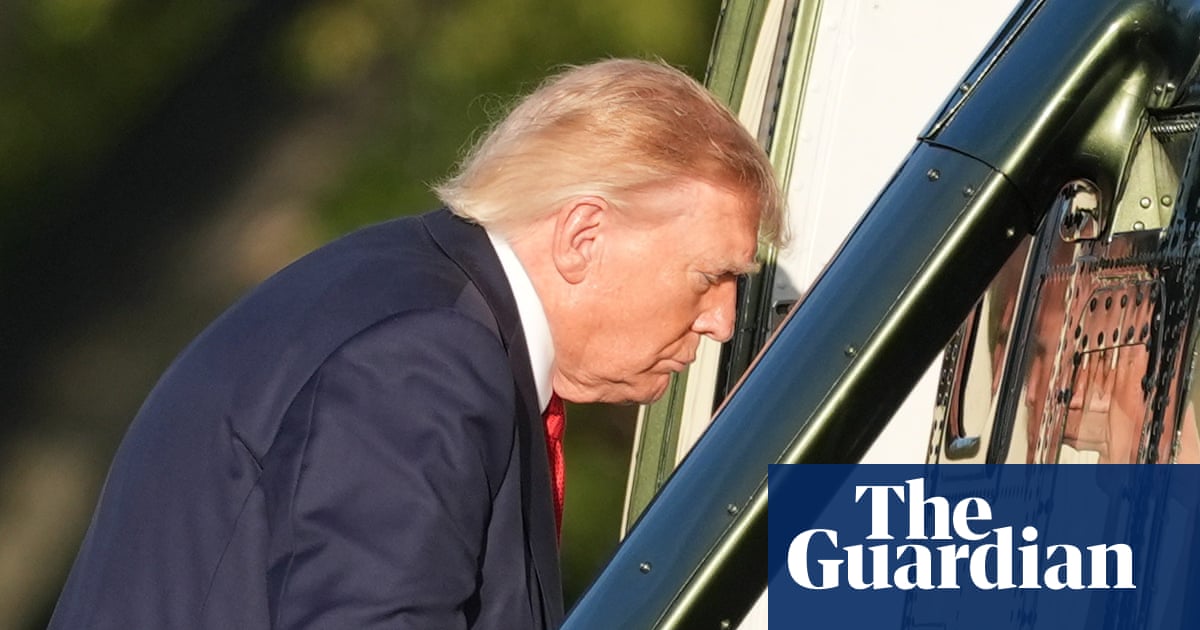
Trump Announces Plan for ‘AI Force’ and AI Czar Amid Growing Safety Concerns
President offers few details on new oversight plan even as industry figures and his own party urge caution on artificial intelligence

TechCrunch Report Highlights Difficulty of Discerning Fact From Fiction in AI Safety Debates
Two AI safety conversations went viral this week, illustrating how hard it has become to separate credible claims from misinformation, according to a TechCrunch report.
Comments
Loading comments…