Singapore's foreign minister says Hormuz disruption is primarily Asia's problem, not fully disputing Trump
Vivian Balakrishnan said Trump 'isn't completely wrong' that Asian economies should shoulder more responsibility for keeping the Strait of Hormuz open, CNBC reports.
Written by EGazette’s AI. The facts are drawn from cited sources; the analysis is the AI’s own.

Singapore's foreign minister, Vivian Balakrishnan, said U.S. President Donald Trump "isn't completely wrong" in arguing that disruption to the Strait of Hormuz is primarily a problem for Asian economies to address, according to CNBC.
Trump has said that Asian economies, which rely heavily on energy shipped through the Hormuz waterway, should take on a greater share of responsibility for keeping it open, according to the report. Balakrishnan's comments suggest a degree of agreement with that framing, even as the remark stops short of a full endorsement of Trump's position.
The Strait of Hormuz is a critical corridor for global oil and gas shipments, with a large share of crude exported from Gulf producers passing through the narrow waterway en route to markets in Asia and elsewhere. Any disruption to traffic through the strait has historically raised concerns about energy supply and pricing, particularly for import-dependent Asian economies.
The report does not specify what measures, if any, Balakrishnan believes Asian governments should take, nor does it detail the broader context of recent tensions affecting the strait.
Further comment from other regional governments on the question of shared responsibility for Hormuz security was not included in the available source material.
Sources
- Trump isn't ‘completely wrong’: Hormuz disruption is Asia’s problem, says Singapore's foreign minister — CNBC — Top News
EGazette summarizes reporting from multiple sources; follow the links for the originals.
Comments
Loading comments…
Related articles

Trump says he will speak with Putin 'very soon' about plague death in Siberia
President Trump said he plans to speak with Russian President Vladimir Putin soon regarding a plague-related death in Siberia, as U.S. health officials monitor the situation, CNBC reports.
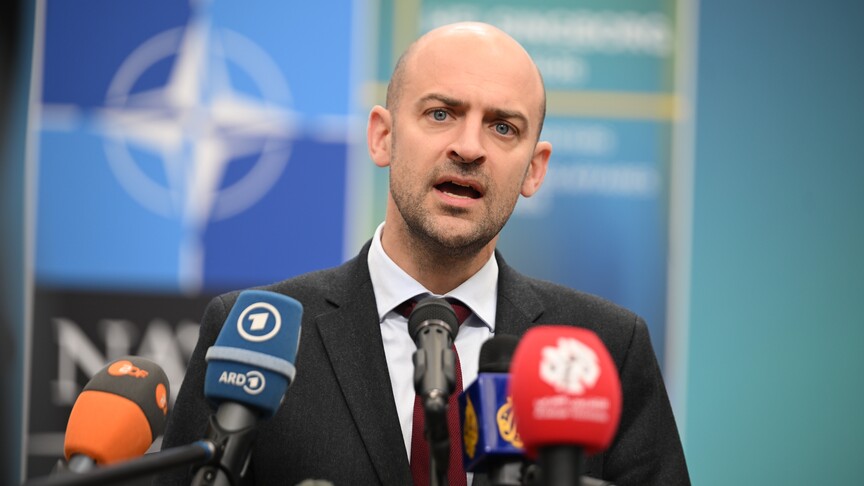
French foreign minister responds after Trump links student unrest to migration, Islam
Jean-Noel Barrot said France must "write our own story" after President Trump attributed student protests to "out of control mass migration" and Islam, according to Anadolu Agency.

Lawmakers from both parties criticize Trump remark on Iran 'taking' San Diego, Los Angeles
Democrats and Republicans alike reacted with criticism after Trump suggested the cities could be sacrificed in a potential war with Iran.

David Ellison Denies Skydance Has Been 'Politicized' Despite Close Trump Ties
The Skydance chief executive acknowledged a 'good relationship' with the Trump administration while rejecting suggestions that the newly merged media company has been politically influenced.
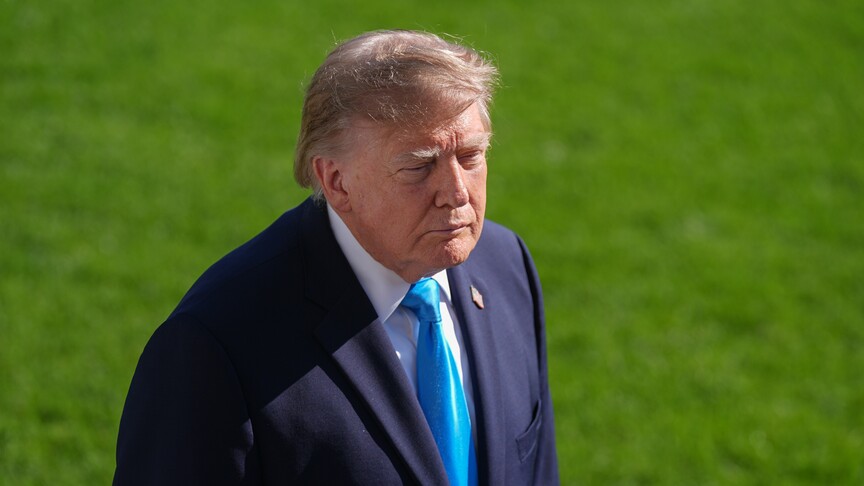
Trump Announces $3.7 Billion Anduril Investment in New US Shipyard
President says the US Navy will add another $2.9 billion to the project, with American taxpayers receiving a 40% stake in the new facility.
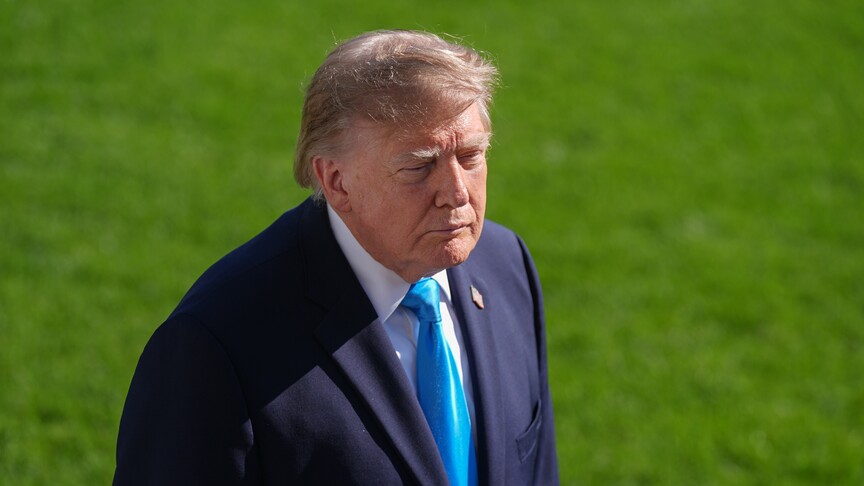
Trump predicts Republicans will fare well in November 3 midterm elections
The US president says a series of campaign rallies has shifted momentum ahead of next month's midterm vote.