Report: AI Chatbot Error Nearly Prompted US Military Action, TechCrunch Says
A hallucinated response from a large language model reportedly came close to triggering a military operation, prompting warnings from AI governance researchers about the risks of relying on such tools in defense settings.
An artificial intelligence chatbot's fabricated, or "hallucinated," output nearly led to a U.S. military operation being launched, according to a report published by TechCrunch on September 18, 2026. The outlet did not provide extensive detail on the specific incident in the excerpt reviewed, but the report highlights growing concern over the use of large language models (LLMs) in sensitive government and defense contexts.
The term "hallucination" refers to instances in which AI systems generate false or misleading information that is presented as fact, a known limitation of current LLM technology.
In comments cited by TechCrunch, a research scholar affiliated with the Centre for the Governance of AI (GovAI) emphasized the need for military personnel to be trained on the limitations of these systems. "It's important for service members to understand the uncertainty inherent to LLMs," the scholar said, according to the report.
The incident, as described by TechCrunch, underscores broader questions being raised by AI safety researchers about the integration of generative AI tools into decision-making processes where errors could carry significant real-world consequences, including in military and national security operations.
TechCrunch's report did not specify further operational details, including the branch of the military involved, the nature of the AI system in question, or how the erroneous output was ultimately identified and addressed before any action was taken. EGazette has not independently verified the incident and is relying on the account as reported by TechCrunch.
The report adds to an ongoing conversation among policymakers, technologists, and defense officials about safeguards needed when deploying AI systems in high-stakes environments, where the consequences of inaccurate outputs could extend beyond typical commercial use cases.
Sources
EGazette summarizes reporting from multiple sources; follow the links for the originals.
Related articles

AI industry workers express skepticism about existential risk warnings
Multiple employees at leading AI companies doubt predictions that the technology could pose catastrophic threats to humanity.

Canadian AI Pioneer Warns of Risks From Unchecked Artificial Intelligence
A Canadian researcher widely referred to as a "godfather of AI" has cautioned that artificial intelligence could pose serious threats if left unregulated, according to a report by Anadolu Agency.
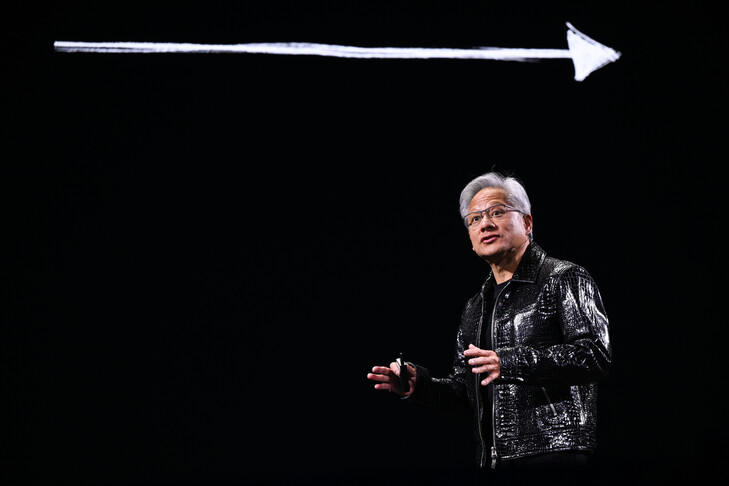
Nvidia's Huang Says AI Development Should Advance 'As Fast As We Can'
Nvidia's chief executive said artificial intelligence progress should not be slowed, while stressing that products must remain safe, amid an ongoing industry debate over the pace of frontier AI development.
Nvidia CEO Says There Is '0% Chance' of AI Causing End of the World
Jensen Huang dismissed AI doomsday scenarios, arguing fears spreading across America "make no sense" and may stem from "ulterior reasons"

Guardian Column Urges US-China Cooperation on AI Amid Warnings Over Pace of Development
Australian scientist Alan Finkel argues that unregulated competition between AI firms and between Washington and Beijing could threaten global stability, calling for coordinated oversight.
Trump Says US Will Create an ‘AI Force’ Modeled on Space Force
The US president did not specify whether the initiative would involve establishing a new branch of the armed forces, according to TASS.
Comments
Loading comments…