Rare Glutinous Snails Lay Eggs During Car Journey to Kent Zoo
A zoo near Canterbury says the snails began laying eggs unexpectedly while being transported to their new home.

A zoo near Canterbury, in Kent, has reported an unusual bonus after transporting a group of rare glutinous snails to the site: the snails began laying eggs during the journey itself, according to the BBC.
Glutinous snails are considered a rare species, and their arrival at the zoo appears to have been intended as part of a conservation or breeding program, though the zoo's statement, as reported, focused on the surprising timing of the egg-laying rather than providing further programmatic detail.
Zoos and conservation centres across the UK regularly participate in captive breeding efforts for threatened invertebrate species, which can play an important role in broader biodiversity conservation given that many mollusc species face pressures from habitat loss and environmental change. Snails, while less prominent in public conservation messaging than larger animals, form an important part of many ecosystems.
The zoo's report of the snails laying eggs mid-journey suggests the animals adapted to their travel conditions well enough to begin reproducing almost immediately upon or before arrival, a detail that zoo staff appear to have found noteworthy enough to share publicly.
Details on the exact number of eggs laid, the origin of the snails prior to transport, or the zoo's specific breeding plans for the species were not included in the available report. The story adds to a steady stream of light-hearted wildlife updates that UK zoos frequently share to highlight both the diversity of species in their care and the day-to-day surprises involved in animal husbandry and conservation work.
Sources
- Rare snails lay eggs during car journey to zoo — BBC Science & Environment
EGazette summarizes reporting from multiple sources; follow the links for the originals.
Related articles
World Falling Behind on 2030 UN Biodiversity Protection Targets, Groups Warn
Nations agreed to protect 30% of Earth's land and sea by 2030, but with the deadline's halfway point reached, campaigners say current protection levels fall well short.
Protecting a third of land and oceans by 2030: a goal still far from being achieved
In the run-up to the biodiversity COP in Yerevan, NGOs believe that conservation is progressing but remains far below the target set at the end of 2022.
North Sea, Nature Untamed review – stunning footage finds beauty under the water
Diver Peter van Rodijnen's underwater footage challenges the idea that the North Sea is a bleak, colorless wilderness.
Report: Hunting in 53 critical wildlife areas banned as KP tightens waterfowl hunting rules
A report from APP (Pakistan) sets out the main available details, with claims kept attributed to their sources.

Why Was the Kent Meningitis Outbreak So Severe?
More than 20 young people were infected during a meningitis outbreak in March linked to a nightclub in Canterbury, raising questions about how the outbreak spread so widely.
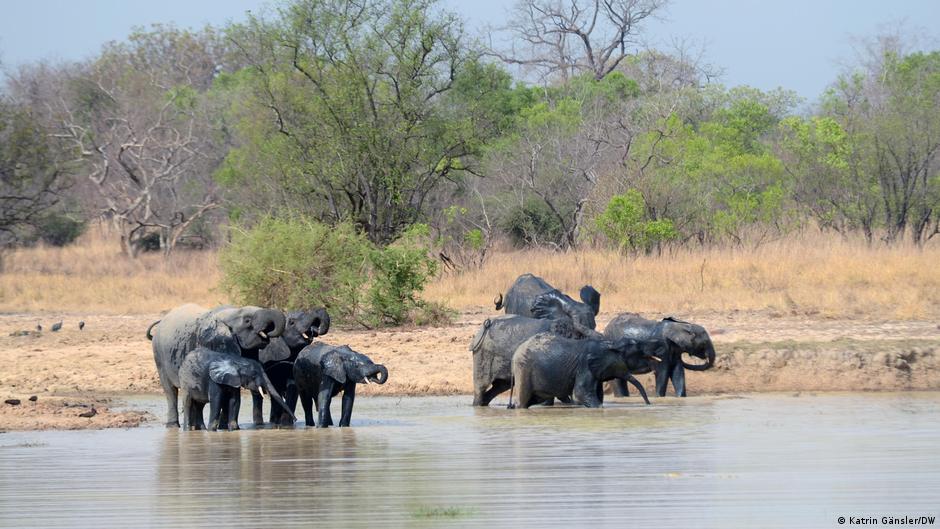
African Parks is dedicated to protecting wildlife on the continent across some vast areas
A report from Deutsche Welle — English sets out the main available details, with claims kept attributed to their sources.
Comments
Loading comments…