New Book Examines Scientific Theories Behind the Search for Alien Life
Astrobiologist Seven Rasmussen's 'Cloudy with a Chance of Starships' explores current research addressing the Fermi Paradox, according to a review in Scientific American.
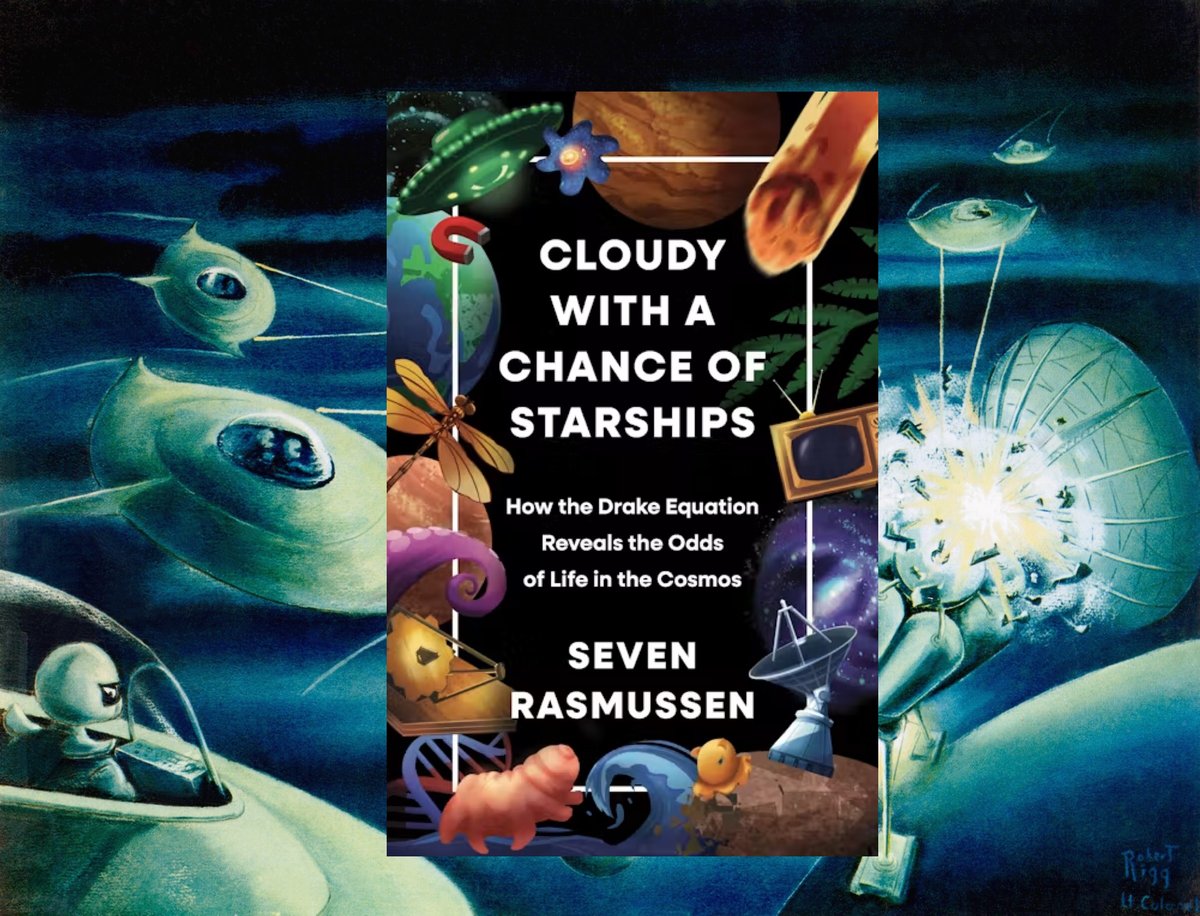
A new book by astrobiologist Seven Rasmussen, titled Cloudy with a Chance of Starships, offers readers an overview of contemporary scientific research into the search for extraterrestrial life, according to a review published by Scientific American.
According to the source, the book addresses the long-standing question of why humanity has not yet detected signs of alien civilizations despite the vast size and age of the universe, a puzzle often referred to as the Fermi Paradox.
Scientific American reports that Rasmussen's work surveys various scientific approaches and hypotheses that researchers have developed in an effort to explain the apparent absence of detectable alien life, drawing on current astrobiological science.
The publication describes the book as providing readers with a tour of the science underlying modern searches for life beyond Earth, though specific findings or conclusions detailed in the book were not fully outlined in the available excerpt.
Scientific American did not immediately provide further details on the book's specific theories or the author's personal conclusions regarding the paradox.
Sources
- Where are all the aliens? A new book explores possible answers — Scientific American
EGazette summarizes reporting from multiple sources; follow the links for the originals.
Related articles
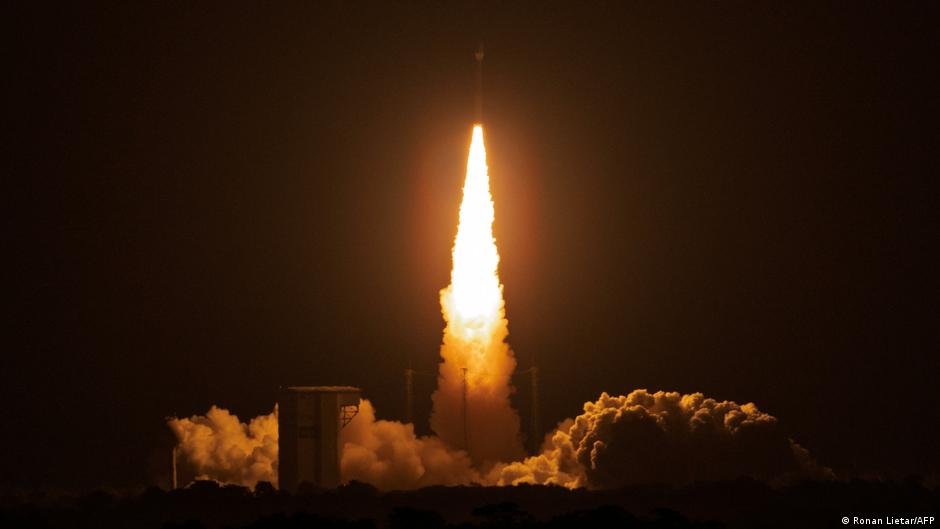
European Space Agency Launches Two Satellites to Monitor Climate Change
The new satellites will help scientists study the effects of climate change, with one instrument dedicated to observing plant life
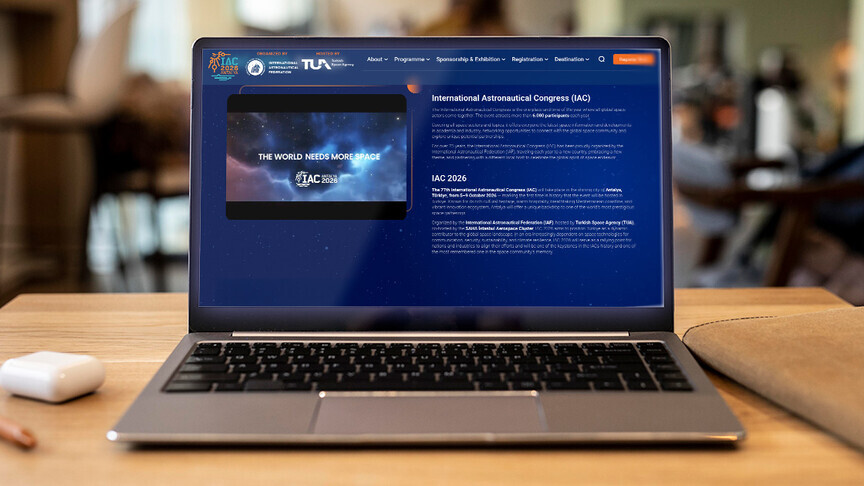
Türkiye's 2026 space congress draws record research submissions ahead of Antalya opening
Organizers say the International Astronautical Congress received 8,330 abstracts from 108 countries, the highest tally in the event's history
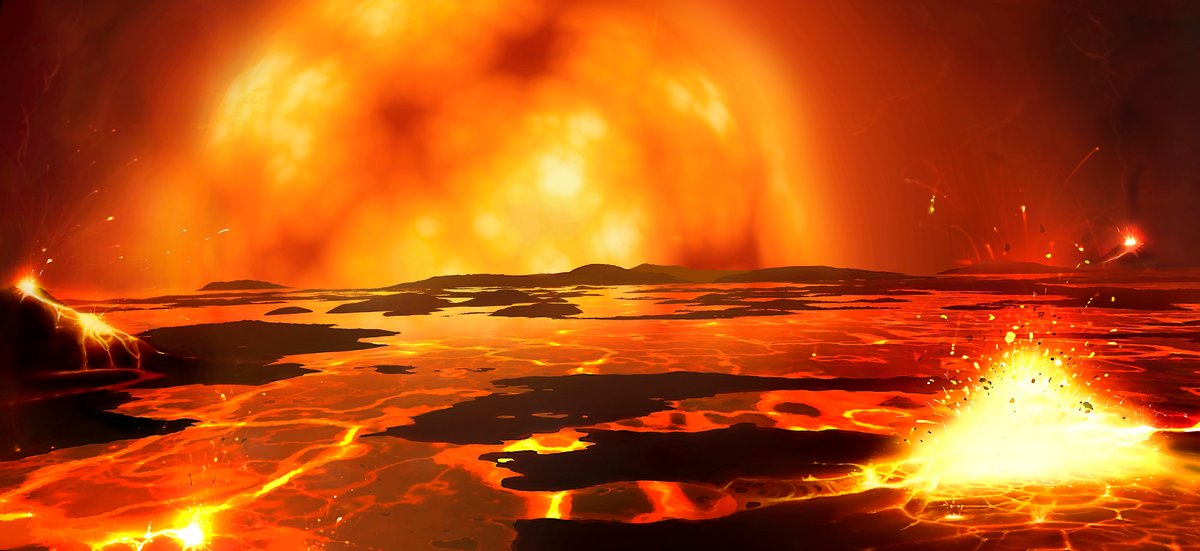
Scientific American Traces the Sun's Long Road to Its Eventual Demise
A new feature explores the key stages the sun will pass through before its light finally fades, billions of years from now.
NASA Selects SpaceX to Launch StarBurst Gamma-Ray Detector
The small satellite mission will study neutron star mergers and short gamma-ray bursts, launching on a Falcon 9 rocket from Florida.

Russia Launches Soyuz-2.1b Rocket from Plesetsk Spaceport
Russia's Defense Ministry says a combat crew of Space Troops successfully launched the carrier rocket, according to state news agency TASS.

French novelist imagines a woman as secret author of the Beatles' songs
Thriller writer Michel Bussi's new novel Code Yesterday reimagines the Fab Four's catalogue as the work of a Frenchwoman, in what he calls an act of "revenge" for women
Comments
Loading comments…