French novelist imagines a woman as secret author of the Beatles' songs
Thriller writer Michel Bussi's new novel Code Yesterday reimagines the Fab Four's catalogue as the work of a Frenchwoman, in what he calls an act of "revenge" for women

A newly released French novel is imagining an alternate history of one of pop music's most celebrated songwriting partnerships, proposing that every song credited to the Beatles was in fact written by a woman of French descent, according to a report in The Guardian.
The book, Code Yesterday, is the work of Michel Bussi, described by the Guardian as a celebrated thriller writer, and was released in France earlier this month. In the novel, Bussi imagines that the songs long attributed to John Lennon and Paul McCartney were actually authored by a woman, whom he names Yvonne, according to the report.
Bussi told the Guardian that the premise of the book was not as far-fetched as it might first appear, and that his motivation was explicitly to challenge the gendered history of popular music. "I wanted to give women revenge," he said, according to the report.
The Guardian frames the publication against a backdrop of what it describes as warm relations between France and Britain, noting the loan of the Bayeux tapestry as a symbol of renewed friendship between the two countries, and citing exchanges between prime minister Andy Burnham and French president Emmanuel Macron. The report suggests that Bussi's novel, with its provocative reimagining of one of Britain's most cherished cultural exports, could complicate that goodwill.
Further details of the novel's plot, its critical reception in France, and any response from representatives of the Beatles or their estates were not included in the available report.
Sources
- Paul, John... and Yvonne? The French novelist asking: what if a woman had written the Beatles’ greatest hits? — The Guardian — Culture
EGazette summarizes reporting from multiple sources; follow the links for the originals.
Related articles
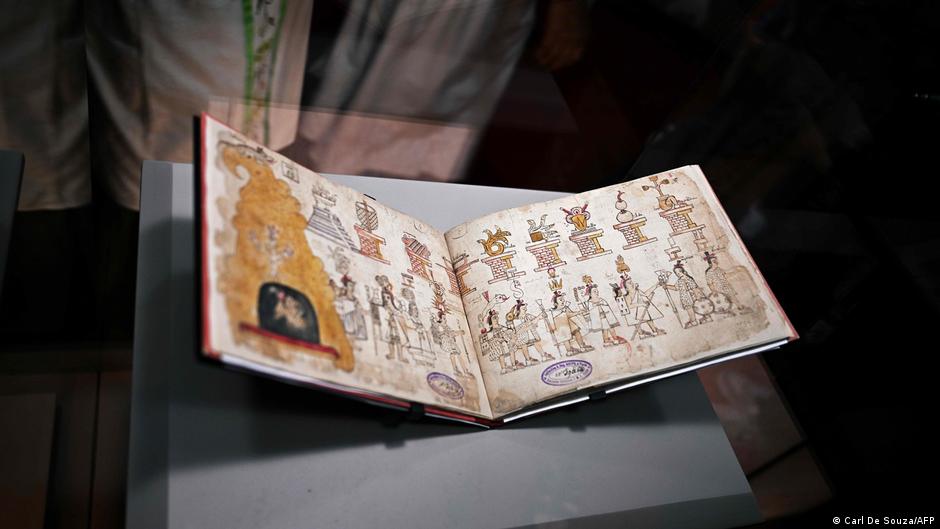
Aztec Manuscript Returns to Mexico From France on Loan After Two Centuries
A historic Aztec manuscript held in France for roughly 200 years has been sent back to Mexico under a loan arrangement, according to Deutsche Welle.

Iraq: Trial opens in Baghdad for six French nationals accused of joining ISIS
Despite calls for repatriation made by their lawyers, six French citizens who fought in the ranks of the Islamic State group saw their trial begin Sunday in Baghdad.

France's Wine Production Nears 70-Year Low Amid Climate Pressures
Heatwaves and drought have pushed French wine output toward its lowest level in seven decades, prompting the industry to weigh new markets, products and strategies, according to CNBC.

Back to School: Finding Housing, an Obstacle Course for Thousands of Students
As three million students returned to school in France, many are still struggling to find affordable housing amid insufficient supply and rising prices.

France to Summon Iran's Envoy Over Closure of French Language Centre in Tehran
Paris plans to call in Iran's ambassador after Tehran shut down a French-run language institute, which Iranian authorities accused of unspecified "illegal acts."

Russian Official Says Europe Facing "Largest Energy Crisis in History"
Kirill Dmitriev, a special representative of the Russian president, linked the claim to reported fuel supply disruptions in France, according to Russian state news agency TASS.
Comments
Loading comments…