Scientific American Traces the Sun's Long Road to Its Eventual Demise
A new feature explores the key stages the sun will pass through before its light finally fades, billions of years from now.

The sun, which has powered life on Earth for roughly 4.6 billion years, is on what Scientific American describes as "a long, strange trip to its eventual demise." A recent article published by the outlet outlines the major milestones the star is expected to pass through before it stops shining altogether.
According to the publication, the sun's transformation will unfold gradually over an immense span of time, moving through distinct phases as it exhausts the nuclear fuel that currently powers it. The piece frames these changes as a sequence of "key stops," suggesting the sun's end is not a single event but a prolonged process of physical change.
Scientific American notes that the sun is a star like billions of others in the universe, and its life cycle follows patterns astronomers have studied in other stars of similar size and composition. The magazine's coverage situates the sun's fate within this broader understanding of stellar evolution.
The article does not suggest any imminent danger to Earth or humanity, framing the sun's eventual dimming as a far-future event measured on cosmic timescales rather than one with near-term consequences.
Scientific American, a long-running publication covering scientific research and discovery, regularly publishes explainer-style features on astronomy and space science topics for a general audience.
Sources
- How much longer will the sun shine? — Scientific American
EGazette summarizes reporting from multiple sources; follow the links for the originals.
Related articles

NASA Selects SpaceX to Launch StarBurst Gamma-Ray Detector
The small satellite mission will study neutron star mergers and short gamma-ray bursts, launching on a Falcon 9 rocket from Florida.

European Space Agency Launches Two Satellites to Monitor Climate Change
The new satellites will help scientists study the effects of climate change, with one instrument dedicated to observing plant life

NASA's Astronomy Picture of the Day Features Analemma Over Scotland's Callanish Stones
The September 20, 2026 edition of NASA's long-running APOD series highlights a composite image showing the sun's yearly path above the ancient Callanish Stones.

Rings Around Small Body Chariklo Show Changes Over a Decade, Report Says
Observations of Chariklo, a roughly 250-kilometer-wide object in the outer solar system, indicate its two rings have shifted over the past ten years, according to a report from Ars Technica.
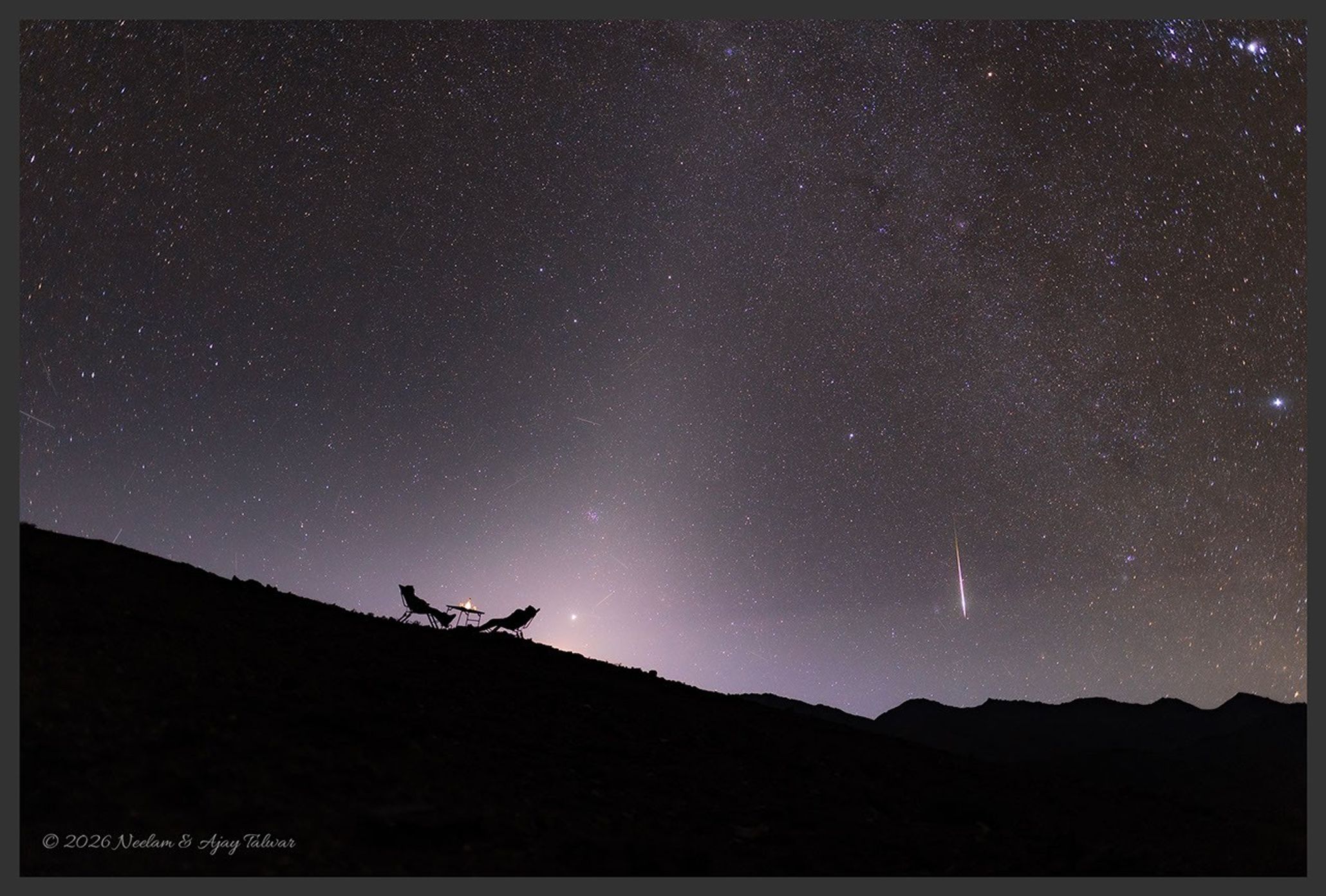
NASA’s Astronomy Picture of the Day to Feature “A Zodiacal Night” on September 19, 2026
The long-running NASA APOD series is set to showcase a night-sky image highlighting the zodiacal light, according to the program’s website.
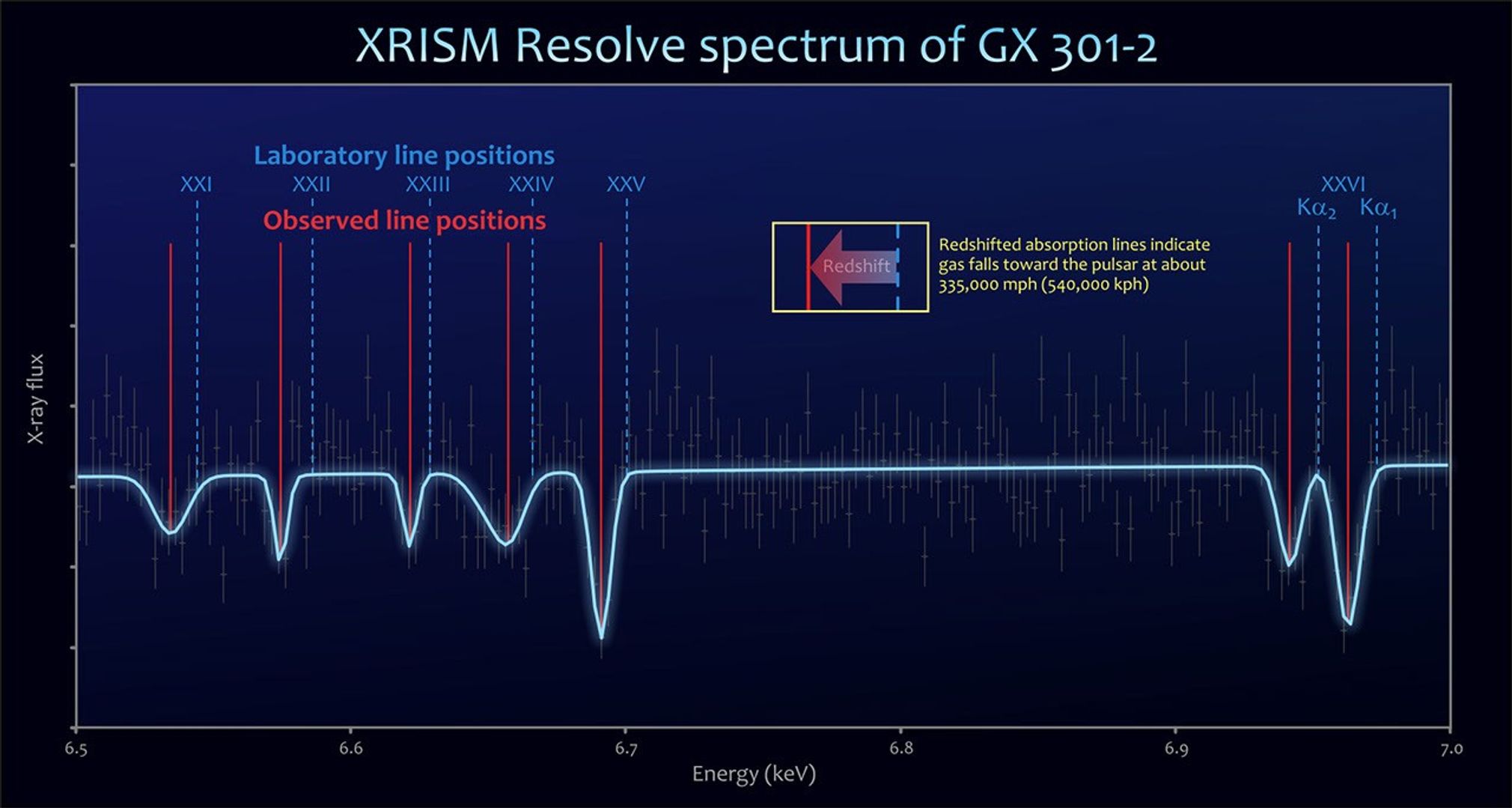
XRISM Mission Observes Pulsar Capturing Stellar Wind From Companion Star
Astronomers using the Japan-led XRISM X-ray observatory say they have directly observed a giant star's outflow being captured by a compact companion, powering intense X-ray flares.
Comments
Loading comments…