NASA to Study Blood Flow, Vision and Piloting Skills During SpaceX Crew-13 Mission
Astronauts aboard the International Space Station will take part in a series of biomedical investigations examining how spaceflight affects the human body.
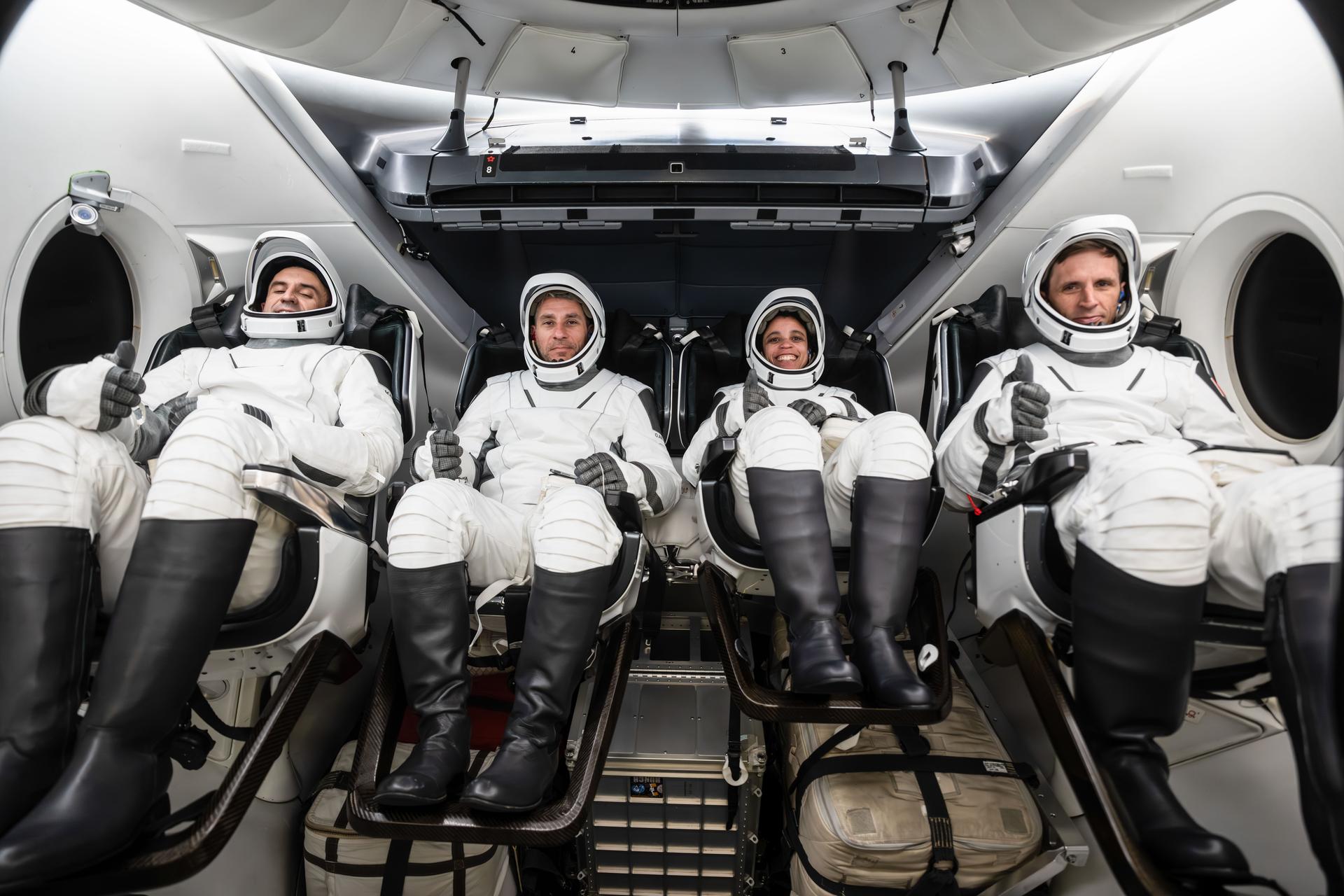
NASA has announced a series of human health and performance investigations to be carried out during the SpaceX Crew-13 mission aboard the International Space Station, examining how extended spaceflight affects astronauts' bodies.
Among the studies is a new collaborative effort to examine how spaceflight affects blood flow and clotting, an area of ongoing interest to space medicine researchers given the unique physiological stresses of microgravity on the cardiovascular system.
Crew members will also have their manual piloting skills tested during the mission, part of NASA's continued effort to understand how time in microgravity affects an astronaut's ability to perform precise physical tasks, which has implications for future missions requiring pilots or operators to perform critical manoeuvres after extended periods in space.
The mission will additionally evaluate methods aimed at countering vision and brain changes associated with spaceflight, a subject of long-standing concern for NASA given documented instances of astronauts experiencing changes in eyesight during and after missions to the ISS. Researchers have been working for years to better understand the underlying causes of these changes and to develop countermeasures that could protect astronauts on longer missions.
Additional data collection planned for the mission will gather further health information from the crew, contributing to NASA's broader body of research on the effects of long-duration spaceflight on human health and performance, essential knowledge as the agency plans more ambitious, longer missions beyond low Earth orbit.
Sources
- NASA to Study Human Health, Performance During Crew-13 Mission — NASA Breaking News
EGazette summarizes reporting from multiple sources; follow the links for the originals.
Related articles
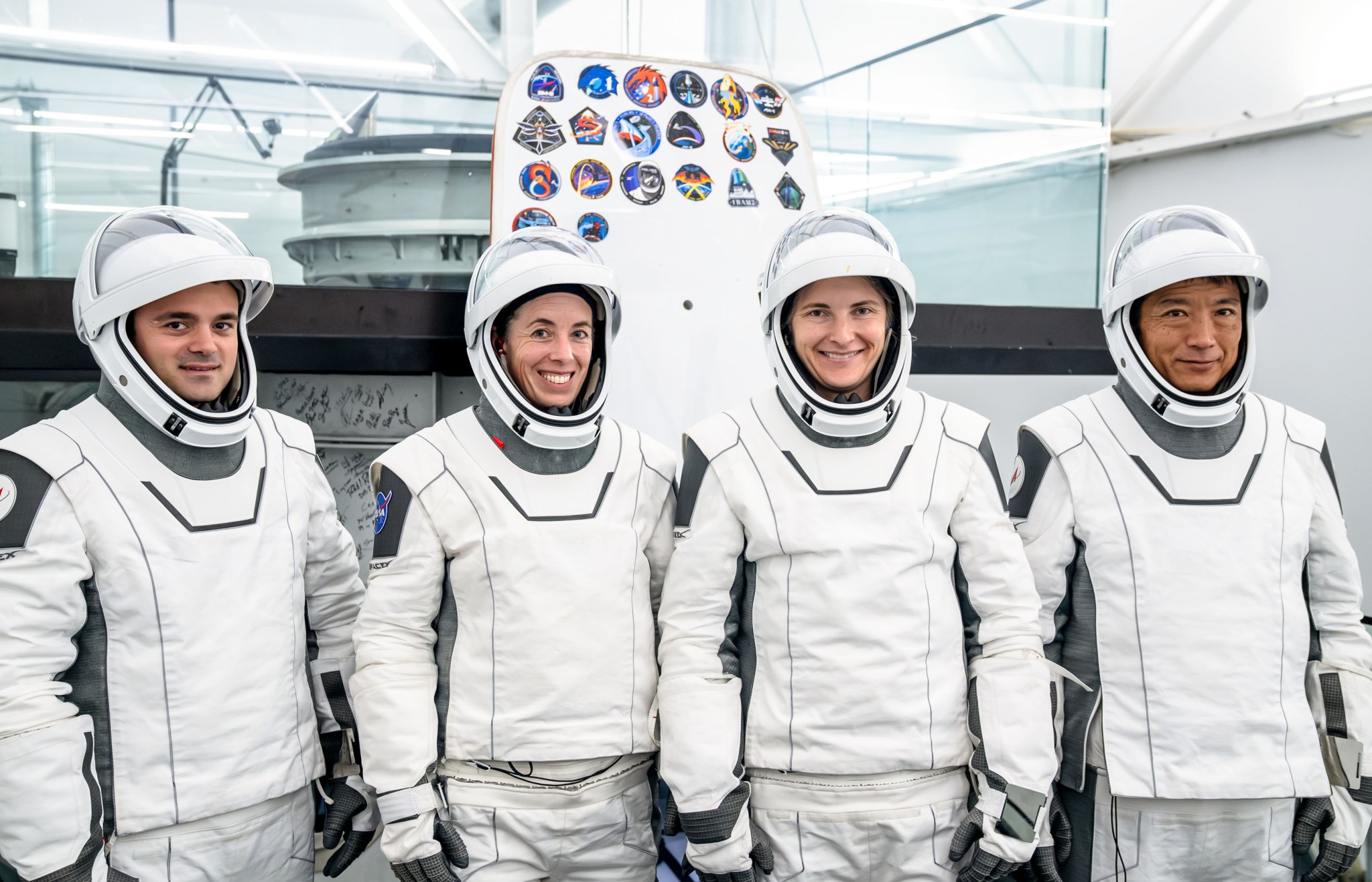
NASA announces crew assignments for SpaceX Crew-14 space station mission
Four astronauts from three space agencies will launch no earlier than spring 2027 for a long-duration science mission aboard the International Space Station.

Cote d'Ivoire becomes 75th nation to sign NASA's Artemis Accords
The West African nation signed the accords Thursday in Abidjan, marking what NASA called the largest milestone yet for the international space exploration coalition.
Report: NASA Unveils Winning Designs for Mars Space Food Systems Challenge
A report from NASA Breaking News sets out the main available details, with claims kept attributed to their sources.

NASA's Picture of the Day Captures the 'Ghosts' of Five Ancient Supernovas
The September 24 Astronomy Picture of the Day from NASA highlights the faint, ghostly remnants left behind by five separate supernova explosions.

Low Cloud Layer Blankets the Pacific Northwest in New Satellite Imagery
A NASA Earth Observatory image shows a low-lying cloud deck bringing an autumnal atmosphere to western Washington and Oregon, while higher coastal terrain poked above the clouds.
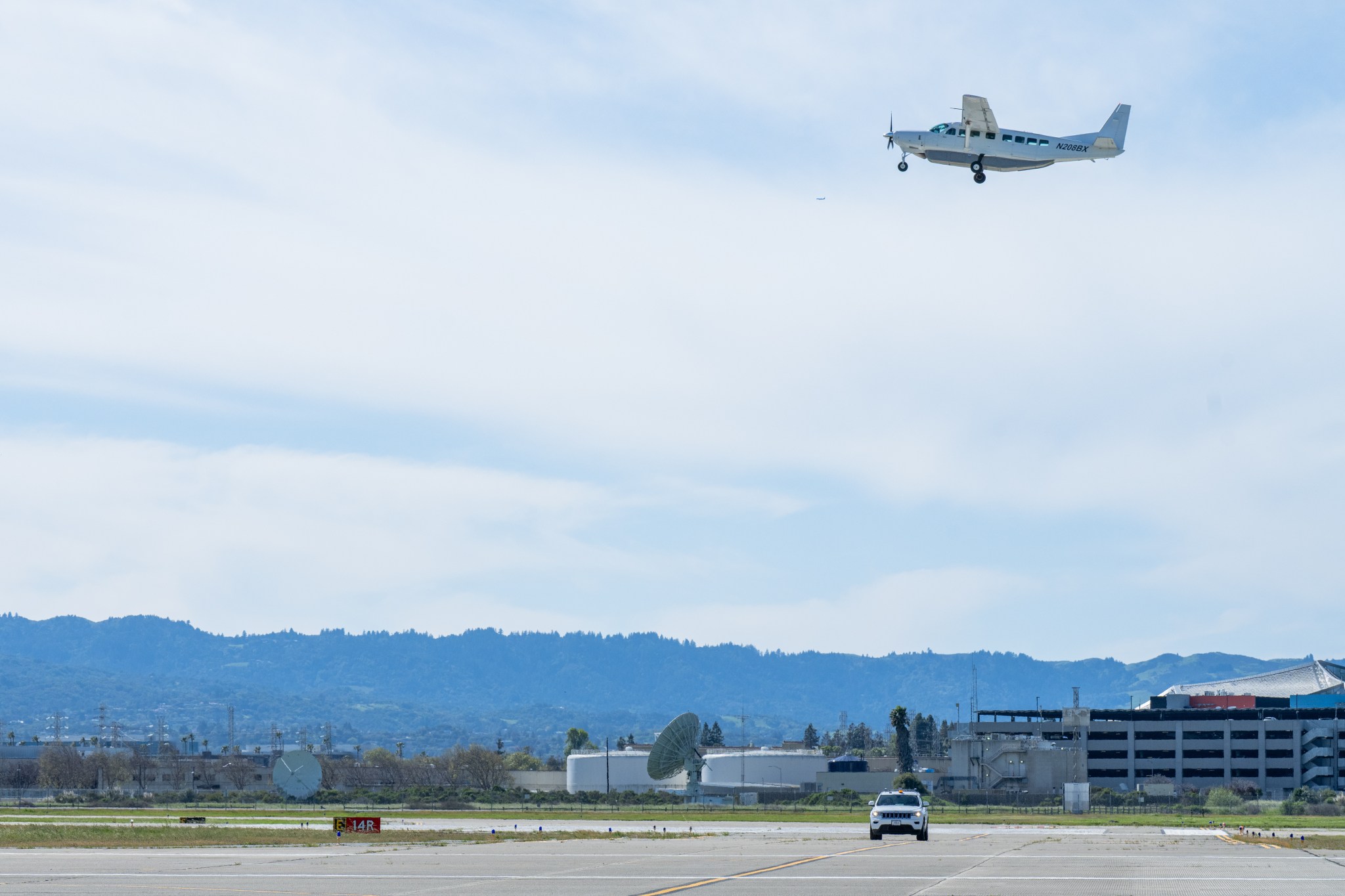
Report: NASA Modernizes Commercial Airline Systems
A report from NASA Breaking News sets out the main available details, with claims kept attributed to their sources.
Comments
Loading comments…