NASA tests dual-mode propulsion CubeSat ahead of launch
Engineers at NASA's Marshall Space Flight Center completed environmental and physical tests on a small satellite designed to simplify spacecraft propulsion.
Written by EGazette’s AI. The facts are drawn from cited sources; the analysis is the AI’s own.
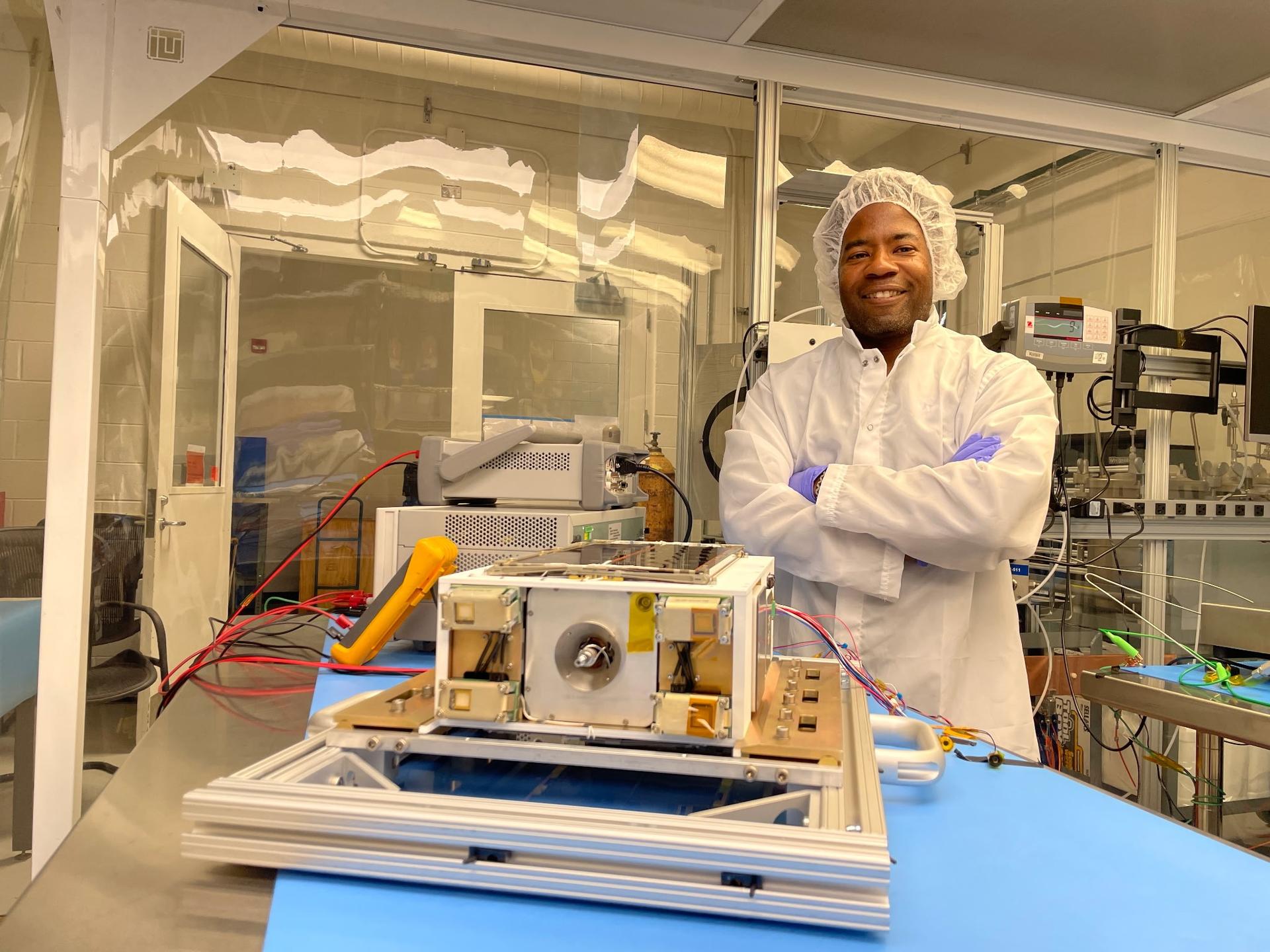
NASA engineers have completed a rigorous series of environmental and physical tests on a new small satellite, or CubeSat, designed to demonstrate dual-mode propulsion technology ahead of its upcoming launch. The work was carried out at NASA's Marshall Space Flight Center in Huntsville, Alabama.
Traditional spacecraft propulsion has typically relied on volatile fuels and separate, bulky systems to handle different types of in-space maneuvering. NASA's dual-mode propulsion concept aims to change that approach by combining functions into a more streamlined and potentially safer system.
Testing before launch
The recently completed tests assessed how the CubeSat's propulsion system would hold up under the environmental and physical stresses of spaceflight, a standard step before any small satellite is cleared for launch. Passing these tests is a key milestone in validating the new propulsion approach for future missions.
If successful in orbit, the dual-mode propulsion technology could offer a path toward simpler, safer spacecraft designs, reducing the need for multiple separate propulsion systems aboard small satellites. CubeSats have increasingly been used by NASA and other space agencies as low-cost platforms for testing new technologies before wider adoption.
NASA has not yet announced a specific launch date for the CubeSat, though the completed testing marks a significant step toward that milestone.
Sources
- NASA Tests Dual Mode Propulsion CubeSat Ahead of Launch — NASA Breaking News
EGazette summarizes reporting from multiple sources; follow the links for the originals.
Related articles
San Marino Becomes 76th Nation to Sign NASA's Artemis Accords
The European microstate joined the U.S.-led framework for peaceful space exploration during a signing ceremony in Rimini.
NASA opens 2026-2027 middle school design challenge on new aircraft energy systems
The Fueling Flight Design Challenge asks middle school students to explore new energy systems for aircraft as air traffic grows.
NASA launches 2026-2027 high school engineering challenge on aircraft energy systems
The high school-level Fueling Flight Design Challenge asks students to design new energy systems as aviation traffic increases.
Hubble reveals hidden structure within spiral galaxy NGC 4698
A new image released by NASA on 18 September 2026 shows the galaxy's spiral arms curling within a thin disk of stars, gas and dust.
Spacecraft Maker Prepares to Fly Its 'Otter' Satellites After Seven Years of Development
After years of work, the company is moving its Otter satellite platform from development into operational flight, according to Ars Technica.
NASA moves ahead with PRIMA, a billion-dollar infrared telescope built on Webb leftovers
NASA has given the go-ahead to its PRIMA infrared observatory, which will reuse spare hardware from the James Webb Space Telescope program to deliver major science at a reduced cost.
Comments
Loading comments…