Lebanon's sovereignty incomplete without state control over war and peace decisions, PM says
Nawaf Salam calls for full implementation of the Taif Agreement and stronger state institutions.
Written by EGazette’s AI. The facts are drawn from cited sources; the analysis is the AI’s own.
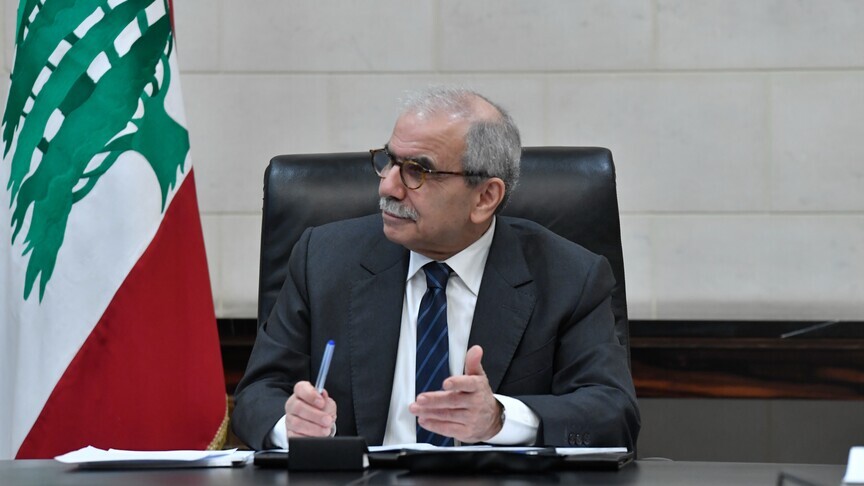
Lebanese Prime Minister Nawaf Salam has said that his country's sovereignty cannot be considered complete unless the state alone holds authority over decisions on war and peace, stressing the need to fully implement the Taif Agreement and strengthen national institutions.
The Taif Agreement, signed in 1989, ended Lebanon's civil war and laid out a framework for power-sharing among the country's religious communities as well as steps toward disarming militias and reasserting state authority. Successive Lebanese governments have cited the accord's incomplete implementation as a persistent obstacle to centralizing security and foreign-policy decisions under the state.
Salam's remarks reflect a long-running debate in Lebanon over the role of non-state armed actors in decisions that affect the country's security and its relations with neighboring states. Supporters of consolidating such authority within state institutions argue that it is essential for Lebanon to be treated as a unified, sovereign actor in regional and international affairs.
The prime minister did not elaborate publicly on specific new measures tied to the statement, but his comments align with previous calls from his government for building up the capacity of Lebanon's official institutions, including its armed forces, as a step toward fuller sovereignty.
Lebanon continues to navigate a complex political and security landscape, and officials have repeatedly pointed to institution-building as central to the country's long-term stability.
Sources
- Sovereignty incomplete unless state controls decisions on war, peace: Lebanese premier — Anadolu Agency (Turkey)
EGazette summarizes reporting from multiple sources; follow the links for the originals.
Comments
Loading comments…
Related articles
French Education Minister Denies Police Brutality as Student Protests Continue
Protests affected nearly 460 schools across France on the latest day of mobilisation, with a government minister rejecting accusations of police brutality.

Justina Shiroka Pula Elected Kosovo's New President Amid Political Crisis
An academic and former minister, Pula was chosen by parliament as a compromise candidate following months of political deadlock.

Badenoch says 'battle for the soul of this nation is coming'
The Conservative leader opened her speech by saying the current government would make everyone in the country poorer.

Italy's election law overhaul clears confidence votes ahead of final vote
The opposition says the bill is designed to help Prime Minister Giorgia Meloni's majority avoid losing power at the next election.

France halts use of stun grenades after boy's hand blown off in student protests
The move follows complaints from several groups that police used disproportionate force against teenagers during the demonstrations.

P&R's two-pronged budget approach criticized by opponents
Critics argue the approach shows no real commitment to making savings within the States.