Artificial intelligence debated for the first time at the UN Security Council
The heads of OpenAI and Anthropic, as well as Frenchman Clément Delangue, co-founder of Hugging Face, are due to speak on Wednesday in New York, a day after France refused to join a statement by 20 countries calling for binding measures on AI.
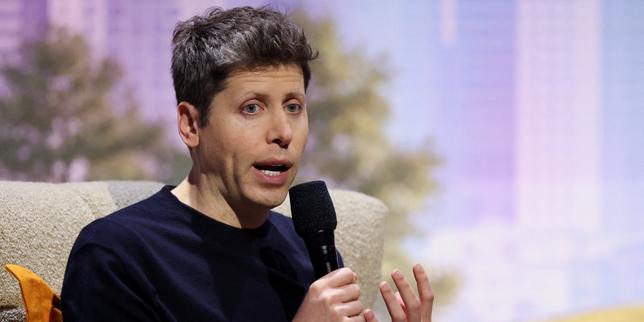
The United Nations Security Council is due to debate artificial intelligence for the first time on Wednesday in New York. The leaders of OpenAI and Anthropic are expected to speak to the members of the Council, alongside Frenchman Clément Delangue, co-founder of the Hugging Face platform.
This session marks a step in the growing involvement of multilateral bodies in issues related to artificial intelligence, a subject that has long remained outside the formal discussions of the Security Council, traditionally focused on issues of international peace and security in the classic sense of the term.
France withdraws from a joint statement
On the eve of this session, on Tuesday, France stayed away from a statement made by some twenty countries, calling for binding measures in the face of the race for artificial intelligence. The precise reasons for this choice have not been detailed in the available information.
This distancing comes at a time when the issue of the regulation of artificial intelligence continues to divide states, with some advocating for legally binding frameworks while others favour more flexible approaches, based on voluntary cooperation between public and private actors.
The debate in the Security Council could thus highlight the persistent divergences between countries on how to regulate a technology whose rapid development continues to raise questions in terms of security, ethics and international governance.
Sources
- L’IA pour la première fois en débat au Conseil de sécurité de l’ONU — Le Monde — Une
EGazette summarizes reporting from multiple sources; follow the links for the originals.
Related articles

UN: Several countries call for stronger protection of children from the risks of AI
On the sidelines of the United Nations General Assembly, leaders are calling for safeguards against the dangers that artificial intelligence poses to minors.

OpenAI unveils GPT-6 Sol and Luna, boasting lower cost and fewer mistakes
A report from TechCrunch sets out the main available details, with claims kept attributed to their sources.

Macron condemns "shameful spectacle" in West Bank, Israel calls it "absurd"
The Israeli prime minister responded sharply to the French president's remarks at the UN concerning Israeli actions in the West Bank.
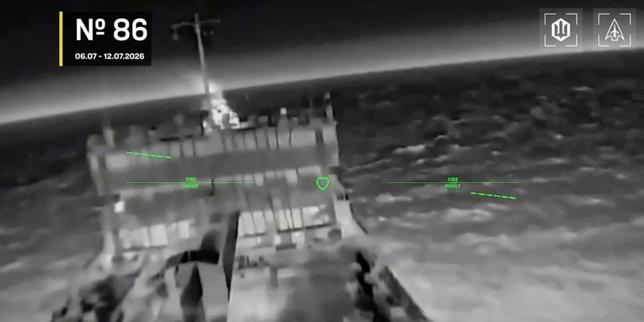
Ukraine War: AI-Enhanced Drones Multiply on Both Sides of the Front
The Ukrainian military is already conducting daily missions with drones incorporating AI modules, while Russia is rapidly developing equipment capable of striking targets with complete autonomy.

AI Risks and Iran War Dominate Agenda at UN Security Council
France convened a Security Council meeting on artificial intelligence and international security, featuring briefings from OpenAI and Anthropic leadership.

Donald Trump Threatens Iran at the UN Before Announcing Resumption of Dialogue
The U.S. president evoked the destruction of Iran from the United Nations podium before shortly after announcing a resumption of talks with Tehran.
Comments
Loading comments…