Ukraine War: AI-Enhanced Drones Multiply on Both Sides of the Front
The Ukrainian military is already conducting daily missions with drones incorporating AI modules, while Russia is rapidly developing equipment capable of striking targets with complete autonomy.
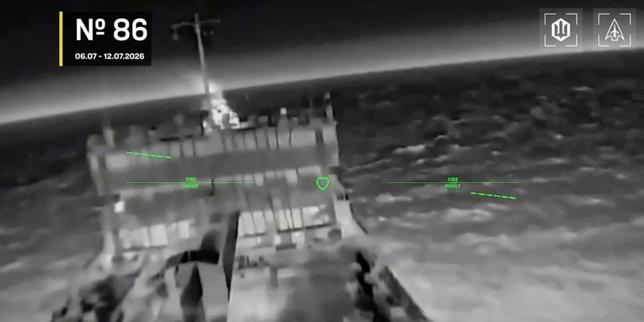
On the Ukrainian front, the use of drones equipped with artificial intelligence has become a daily practice for the Ukrainian military. These aircraft are fitted with modules capable of recognizing and reaching their targets, reducing dependence on continuous radio communication with a human operator.
This type of technology responds in particular to the widespread use of electronic jamming on the battlefield, which makes traditional remote-controlled drone operations increasingly difficult. By allowing the aircraft to complete its mission even if communication with the operator is cut off, embedded artificial intelligence provides a direct answer to this countermeasure.
Equally rapid developments on the Russian side
In response to this evolution, Russian forces are also investing heavily in this field. Developments there are described as rapid and large-scale, with the goal of equipping medium-range drones with capabilities allowing them to conduct missions in complete autonomy, without direct human intervention during the final approach phase.
This technological arms race between the two sides illustrates the growing role of artificial intelligence in conducting the war in Ukraine, more than three and a half years after the conflict began. It also raises questions, regularly voiced by experts and international organizations, about the degree of autonomy that should be granted to weapons systems capable of identifying and engaging a target without constant human oversight.
Neither the Ukrainian military nor Russian authorities have publicly detailed the exact scale of these deployments, which remain largely documented through field accounts and analysis.
Sources
EGazette summarizes reporting from multiple sources; follow the links for the originals.
Related articles
Two Killed, Nearly 30 Injured as Russia and Ukraine Trade Accusations Over Overnight Strikes
Moscow says it downed 514 drones launched by Kyiv across 18 regions and over the Black Sea, Sea of Azov and Crimean Peninsula.
Russian press review: Trump and Zelensky signal interest in a Russia deal as Moscow eyes fresh US dialogue
Wednesday's Russian newspapers highlighted signs that both Washington and Kyiv are open to a settlement on the war, alongside indications that Moscow is seeking renewed contact with the United States.
Kremlin Dismisses Western Talk of Energy Ceasefire as 'Mere Rhetoric'
Spokesman Dmitry Peskov said European countries are focused on finding more money for weapons rather than pursuing a genuine ceasefire.

Russian Forces Strike Ukrainian Logistics, Energy and Defense Sites
Russia's military says it hit logistics centers, energy facilities and defense enterprises in Ukraine, along with a dry cargo ship carrying military supplies bound for Odessa.
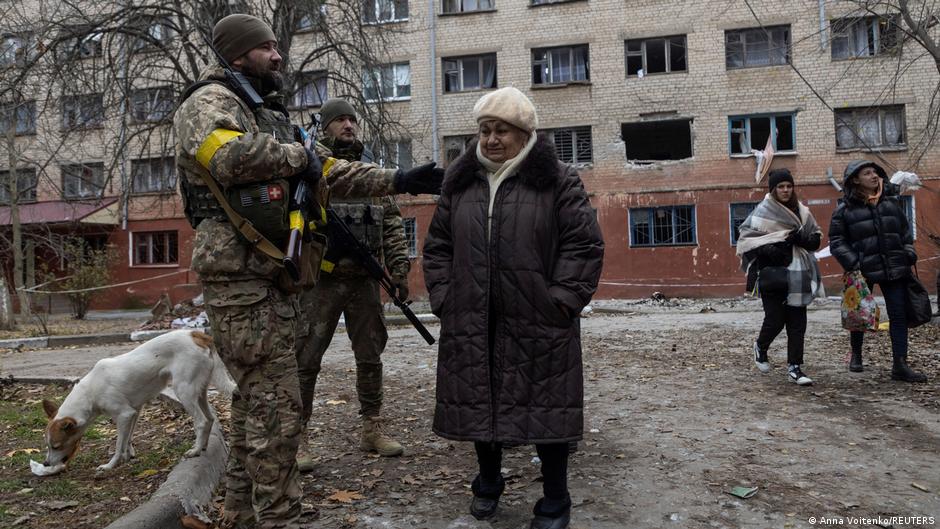
Famine Risk Grows in Ukraine's Oleshky as Evacuation Corridor Remains Unopened
Food supplies to the occupied town have been cut off since May, with Kyiv's efforts to negotiate a humanitarian corridor with Moscow largely unsuccessful.
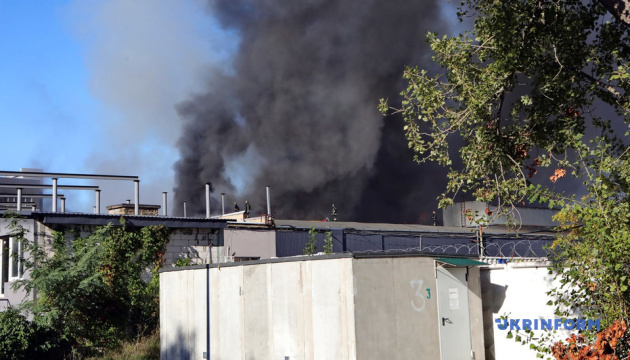
Russian strikes injure two, set warehouses ablaze in Kyiv region
Two people were hurt and warehouses caught fire after Russian attacks struck the Kyiv region on the morning of September 23.
Comments
Loading comments…