Kwaśniewski says legacy of "murdered brothers and sisters" will strain Ukraine-Russia ties for generations
The former Polish president said the issue will remain among the hardest in bilateral relations long after the war ends.
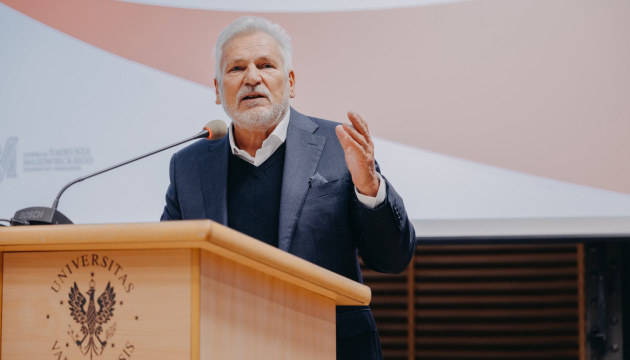
Former Polish President Aleksander Kwaśniewski said the problem of "murdered brothers and sisters" in Ukraine-Russia relations will persist for generations, even after the current war comes to an end.
Speaking on the state of relations between the two countries, Kwaśniewski said he believes reconciliation between Ukrainian and Russian societies will be a long and difficult process, with the human toll of the war remaining one of the most sensitive issues between them for years to come.
Kwaśniewski, who served as Poland's president from 1995 to 2005, has remained an active voice on Central and Eastern European affairs since leaving office, including on matters concerning Poland's neighbors Ukraine and Belarus as well as broader regional security.
A long road to reconciliation
His comments reflect a view shared by many regional analysts that even a formal end to the fighting will not quickly resolve the deep grievances created by the war, including the deaths of civilians and soldiers on both sides.
Kwaśniewski did not lay out a specific roadmap for reconciliation in his remarks, framing the issue instead as a generational challenge that will outlast the current conflict and require sustained effort from both societies.
Sources
- Kwaśniewski: Problem of “murdered brothers and sisters” in Ukraine-Russia relations will last for generations — Ukrinform (Ukraine)
EGazette summarizes reporting from multiple sources; follow the links for the originals.
Related articles
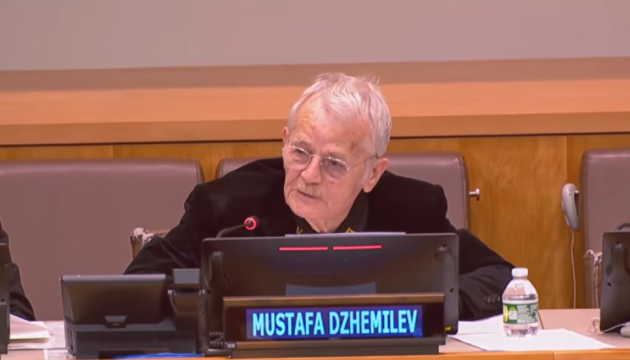
Ukrainian Official Dzhemilev: Russia's Borders Will End Where It 'Gets Hit Hard'
Mustafa Dzhemilev argues diplomatic means alone cannot stop Russian aggression against Ukraine, saying force is necessary to halt the conflict.
US Declines to Join Anti-Russian Statement on Ukraine at UN
The statement, read by EU foreign policy chief Kaja Kallas and Ukrainian Foreign Minister Andrey Sibiga, was not joined by Washington.

Lavrov says Russia will not pause 'special military operation' for talks in any format
Russia's top diplomat said Europe wants a respite to replenish Kyiv's depleted military arsenals.
51 Countries Sign Declaration Urging Russia to Accept Immediate Ceasefire in Ukraine
The declaration was signed ahead of a UN Security Council meeting on Ukraine, calling for an unconditional halt to hostilities.
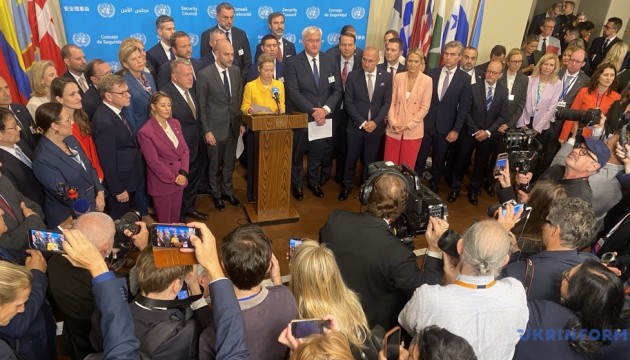
More Than 50 Countries at UN Call on Russia to Agree to Immediate Ceasefire
A large coalition of nations urged Moscow to halt its aggression against Ukraine and begin meaningful peace negotiations.
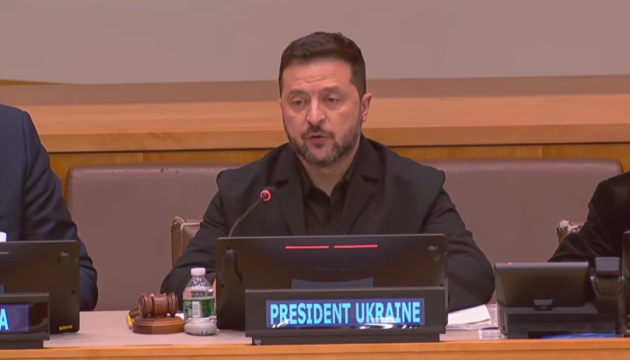
Zelensky Says Ukrainians Under Occupation Must Have Hope Russia Will Face Accountability
Speaking at the Crimea Platform, the Ukrainian president said a full return to life under international law depends on restoring Ukraine's territorial sovereignty, including over Crimea.
Comments
Loading comments…