Italy's Health System Absorbed €18.8bn in 'Invisible' Cuts Since 2023, Report Finds
A new analysis by the Gimbe Foundation says Italy's national health service needs an additional €32bn over the next three years to offset years of underfunding.
Written by EGazette’s AI. The facts are drawn from cited sources; the analysis is the AI’s own.

Italy's national health service absorbed €18.8 billion in what a leading independent research group describes as "invisible" cuts between 2023 and 2026, according to a new report from the Gimbe Foundation, an Italian health policy think tank, reported by ANSA.
The report characterizes the reductions as "invisible" because they were not implemented through explicit budget cuts but rather through funding allocations that failed to keep pace with rising costs, inflation, and growing demand for healthcare services, according to the findings.
Gimbe's analysis concludes that an additional €32 billion will be needed over the next three years to restore the health system to adequate funding levels and address the cumulative effects of years of underinvestment.
The findings add to a long-running debate in Italy over the adequacy of public health spending, with healthcare workers' unions and patient advocacy groups having repeatedly warned that chronic underfunding is straining hospitals, lengthening waiting times, and contributing to staff shortages across the public system.
Gimbe has published similar assessments of Italy's healthcare funding in previous years, consistently calling for increased investment to keep pace with demographic pressures, including an aging population and rising rates of chronic disease.
The report is likely to feature in upcoming budget discussions, as policymakers weigh competing demands on public spending against the foundation's call for substantially higher health funding in the years ahead.
Sources
EGazette summarizes reporting from multiple sources; follow the links for the originals.
Comments
Loading comments…
Related articles
Kremlin says Russia informed WHO on Irkutsk region infection situation
Spokesman Dmitry Peskov said Russia had briefed the World Health Organization on the epidemiological situation and pointed to Rospotrebnadzor statements for details.
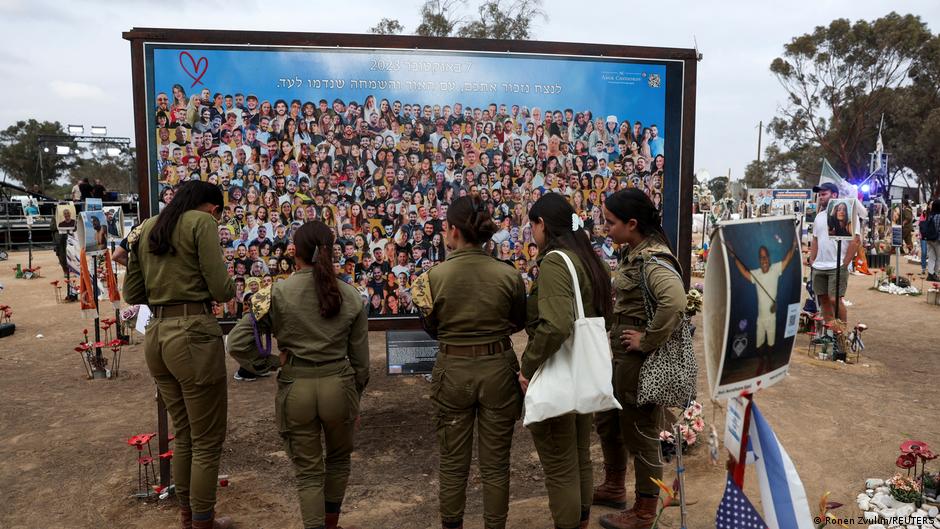
Three Years After the October 7 Attack: Israeli Report Reveals Worsening Mental Health Crisis
An Israeli State Comptroller report shows that more than a third of Israelis have exhibited psychological symptoms, with the healthcare system still struggling to keep pace.

Early Start to Flu Season Prompts Renewed Calls to Get a Flu Shot
Flu activity typically picks up in October or November, but health officials say cases began rising earlier this year, in September.

WHO says childhood and adolescent obesity has quadrupled worldwide since 1990
The World Health Organization reports that obesity among 5-to-19-year-olds now affects an estimated 170 million young people globally.

Study Links Early-Life Sugar Rationing in Britain to Long-Term Health Effects
Research into Britons born during post-war sugar rationing suggests the first 1,000 days of sugar exposure may leave a health mark lasting decades.
US closely monitoring spread of plague in Russia after Irkutsk death
Washington says it is aware of the death of a woman from plague in Irkutsk, Russia, and is tracking developments.