Iran Sets Conditions for United States on Possible Strait of Hormuz Reopening
Talks began in New York between Iran and the United States through a Qatari mediator, with Tehran demanding an end to war on all fronts and a halt to what it describes as American acts of aggression.

Iran engaged in talks with the United States on Wednesday, September 23 in New York, through a Qatari mediator, on the sidelines of the UN General Assembly, according to a spokesman for Iran's Foreign Ministry.
Tehran used these exchanges to set several conditions, notably the end of war "on all fronts" and a halt to what Iran describes as "acts of aggression" by Washington. These demands come amid heightened tensions between the two countries, marked in recent months by exchanges of threats and military developments in the Gulf region.
Qatar's mediating role in these discussions illustrates the unique position of the small Gulf emirate, which maintains communication channels with Tehran while upholding close ties with Washington, making it a privileged intermediary in negotiations between the two rival nations.
While Iran's stated conditions do not explicitly mention the Strait of Hormuz, the question of security in this strategic maritime passage—through which a significant share of the world's oil transits—remains closely tied to regional tensions between Tehran and Washington, particularly given Western concerns about a potential Iranian blockade of the strait in the event of escalation.
No concrete outcome has been announced so far from these exchanges, which are expected to continue in the coming days on the margins of the UN General Assembly proceedings, with the session running in New York through September 28.
Sources
- Iran - États-Unis : Téhéran dépose ses conditions pour une réouverture d'Ormuz — France 24 — Français
EGazette summarizes reporting from multiple sources; follow the links for the originals.
Related articles

UN: Iran and Ukraine War Take Center Stage on Second Day of General Assembly
After speeches by Donald Trump and Emmanuel Macron on Tuesday, Iranian President Massoud Pezeshkian is set to address the UN General Assembly on Wednesday amid ongoing tensions over Iran's nuclear program and the war in Ukraine.
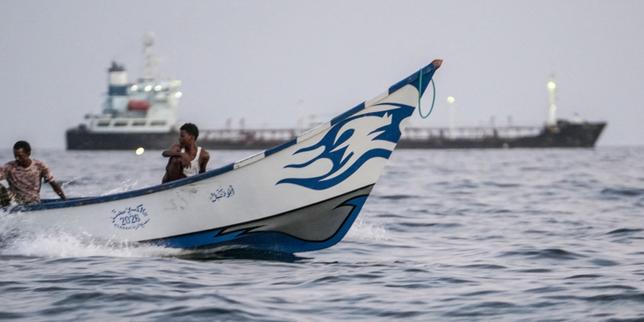
Houthis Threaten to Target American Interests in the Region
The Houthi movement has warned that it will target American interests in the region if Washington intervenes, as Yemen has descended back into war since July.

Madagascar: Trial Opens One Year After Sale of Boeing 777-200 Aircraft to Iran
Madagascar's courts have opened trial proceedings against 33 defendants linked to the discovery in Iran of five Boeing 777 aircraft bearing Malagasy registration marks.

Iran's acting defense minister says war experience will guide future preparedness
Brigadier General Majid Ibn al-Reza said recent conflict underscored the need for Iran to keep learning, innovating and improving its military capabilities, IRNA reported.
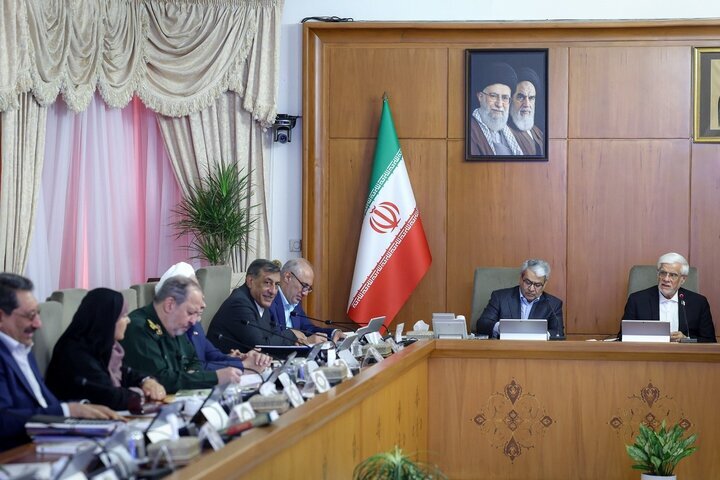
Iran says US is negotiating through intermediaries, VP says
Iran's First Vice President Mohammad-Reza Aref said the United States is relying on intermediaries to conduct negotiations with the Islamic Republic.

Burundi's President Says Threat of Rwandan Attack Still Exists
In an interview with France 24, Burundi's head of state accuses Kigali of concealing a "hidden agenda" behind its presence in eastern Democratic Republic of Congo.
Comments
Loading comments…