Informal Poll Suggests Libyans Favor Gaddafi's Daughter as Future Leader, TV Report Says
Organizers stressed the unofficial survey was neither an election nor a referendum, according to a television report.
Written by EGazette’s AI. The facts are drawn from cited sources; the analysis is the AI’s own.

An informal poll reported on television suggests a significant portion of the Libyan public would favor Muammar Gaddafi's daughter as a future leader of the country, though organizers were careful to stress the survey carried no official standing.
Organizers of the poll emphasized that it had been neither an election nor a referendum, framing it instead as an informal gauge of public sentiment rather than any binding or officially sanctioned process.
Libya has remained politically fragmented since the 2011 uprising that toppled Muammar Gaddafi's government, with competing factions and administrations continuing to vie for authority in different parts of the country in the years since.
The report does not specify which methodology was used to conduct the poll, its sample size, or which regions of Libya were included, limiting the ability to assess how representative the findings might be of broader public opinion.
No response from rival Libyan political factions or international observers regarding the poll's findings has been reported.
Sources
EGazette summarizes reporting from multiple sources; follow the links for the originals.
Comments
Loading comments…
Related articles

Trump's remark that Iran could 'take out' Los Angeles and San Diego draws backlash
Residents and officials in both California cities criticized the president's comment, which came during a record-breaking heat wave.

Venezuelans voice growing anger over persistent power outages
Frequent electricity cuts have fueled public protests against the government of interim President Delcy Rodriguez, residents say.
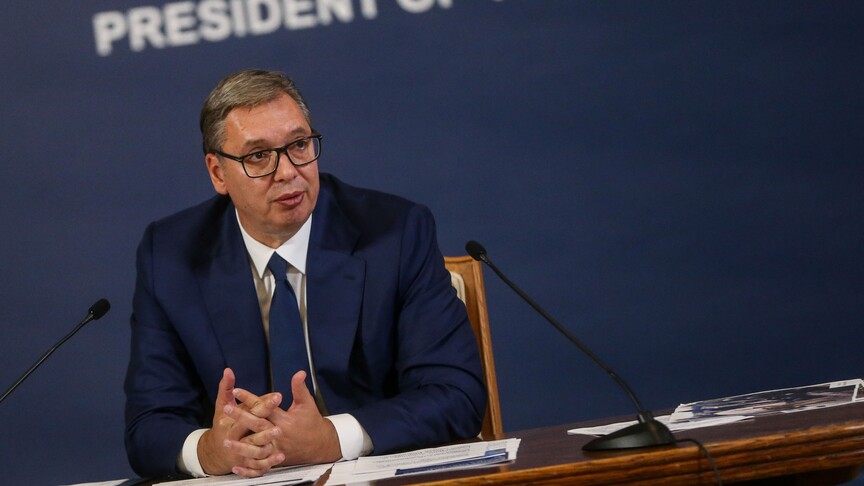
Stepping Down to Stay in Charge: Serbia's Vucic and His Electoral Strategy
Constitutional term limits explain why President Aleksandar Vucic is seeking another office, but not why he stepped down seven months before his term expired.
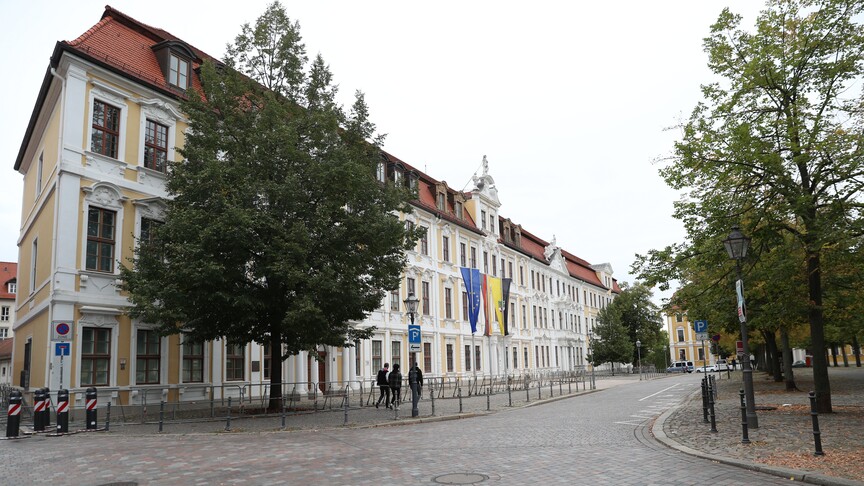
Saxony-Anhalt State Parliament Elects AfD Lawmaker as Speaker Amid Protests
Hundreds protested the vote, chanting 'Nazis out,' as the far-right Alternative for Germany secured a top parliamentary post for the first time in the state.
AfD's Tobias Rausch Elected Speaker of Saxony-Anhalt State Parliament
The 35-year-old lawmaker was elected in the first round of voting, TASS reported, as the far-right party secured a top parliamentary post in the German state for the first time.

White House Defends Trump Remark About Iran 'Taking Out' Los Angeles and San Diego
California Governor Gavin Newsom called the comment 'deranged,' while the White House said President Trump was warning about the danger of a nuclear-armed Iran, the BBC reports.