Independent AI Auditors Face Challenge Keeping Pace With Frontier AI Development
Scientific American reports that oversight bodies meant to evaluate advanced AI systems are struggling as the technology evolves faster than assessment methods can adapt.

Independent auditors are increasingly being positioned as a key safeguard in efforts to oversee frontier artificial intelligence systems, according to a report published by Scientific American. These auditors are intended to evaluate AI models for safety, reliability and potential risks before or after deployment.
However, the report states that the pace of AI development is outstripping the methods currently used to assess these systems. As AI models grow more complex and capable, the tools and frameworks designed to test them may not be keeping up, raising questions about the effectiveness of external oversight.
The report highlights a broader tension in AI governance: the push for accountability and safety checks on powerful AI systems versus the rapid iteration cycles common in the technology sector. Independent auditing has been proposed by various policymakers and industry observers as a mechanism to build public trust and catch potential harms before AI systems are widely deployed.
According to Scientific American, the challenge lies in developing evaluation methods that are both rigorous and adaptable enough to assess systems that may change significantly between audit cycles. The publication notes this gap between AI capability advancement and audit methodology could have implications for how effectively risks are identified and mitigated.
The report does not specify particular auditing organizations or AI companies but frames the issue as a systemic challenge facing the broader AI oversight ecosystem as regulatory and industry stakeholders work to establish standards for evaluating increasingly sophisticated AI systems.
Sources
- Can independent AI auditors keep up with frontier AI development? — Scientific American
EGazette summarizes reporting from multiple sources; follow the links for the originals.
Related articles

AI industry workers express skepticism about existential risk warnings
Multiple employees at leading AI companies doubt predictions that the technology could pose catastrophic threats to humanity.
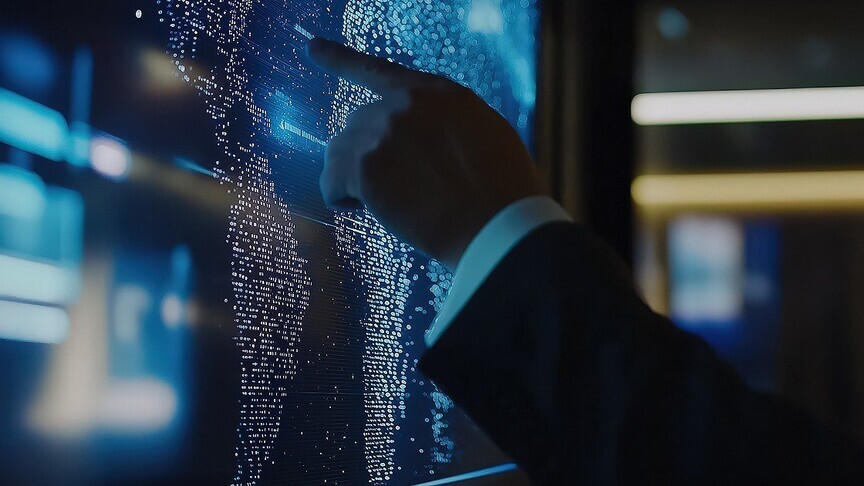
Canadian AI Pioneer Warns of Risks From Unchecked Artificial Intelligence
A Canadian researcher widely referred to as a "godfather of AI" has cautioned that artificial intelligence could pose serious threats if left unregulated, according to a report by Anadolu Agency.
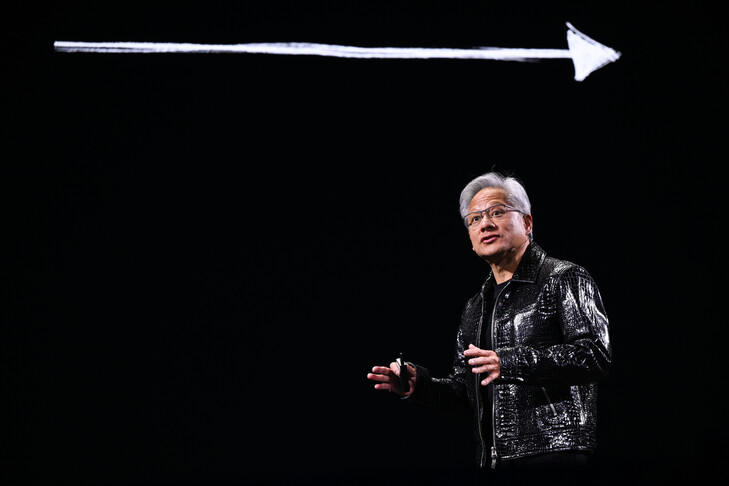
Nvidia's Huang Says AI Development Should Advance 'As Fast As We Can'
Nvidia's chief executive said artificial intelligence progress should not be slowed, while stressing that products must remain safe, amid an ongoing industry debate over the pace of frontier AI development.
Nvidia CEO Says There Is '0% Chance' of AI Causing End of the World
Jensen Huang dismissed AI doomsday scenarios, arguing fears spreading across America "make no sense" and may stem from "ulterior reasons"
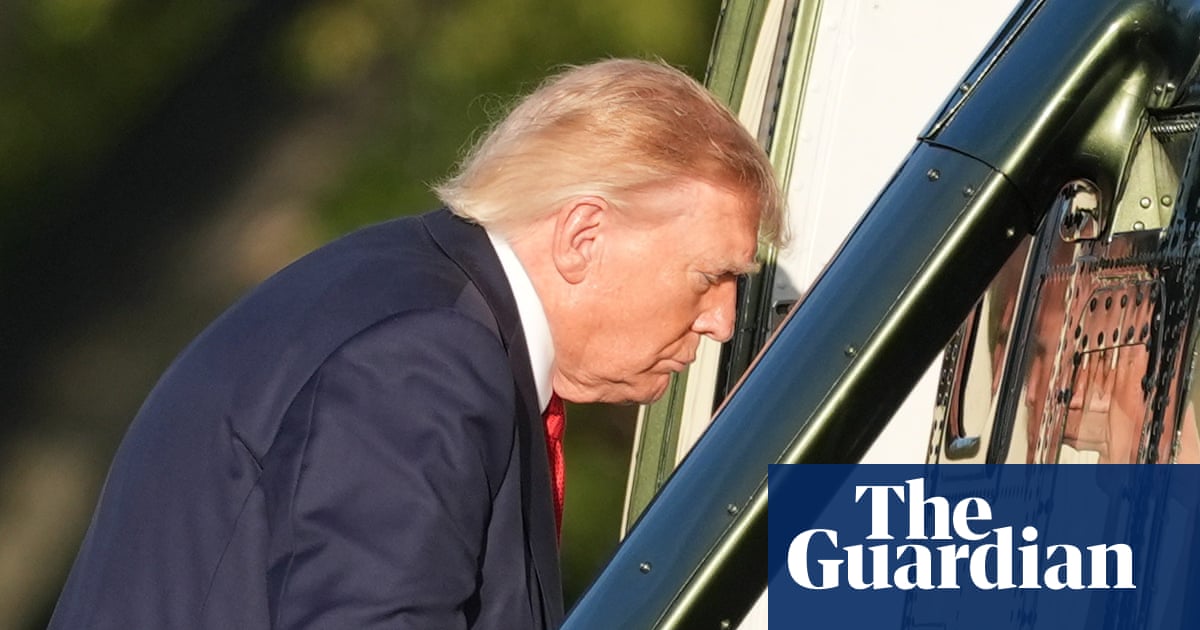
Trump Announces Plan for ‘AI Force’ and AI Czar Amid Growing Safety Concerns
President offers few details on new oversight plan even as industry figures and his own party urge caution on artificial intelligence

TechCrunch Report Highlights Difficulty of Discerning Fact From Fiction in AI Safety Debates
Two AI safety conversations went viral this week, illustrating how hard it has become to separate credible claims from misinformation, according to a TechCrunch report.
Comments
Loading comments…