IMF's Georgieva Warns High Energy Prices Could Persist Even if Gulf War Ends
IMF Managing Director Kristalina Georgieva said energy price pressures may continue building as countries replenish reserves and winter demand rises, even if the Gulf conflict ends.
Written by EGazette’s AI. The facts are drawn from cited sources; the analysis is the AI’s own.

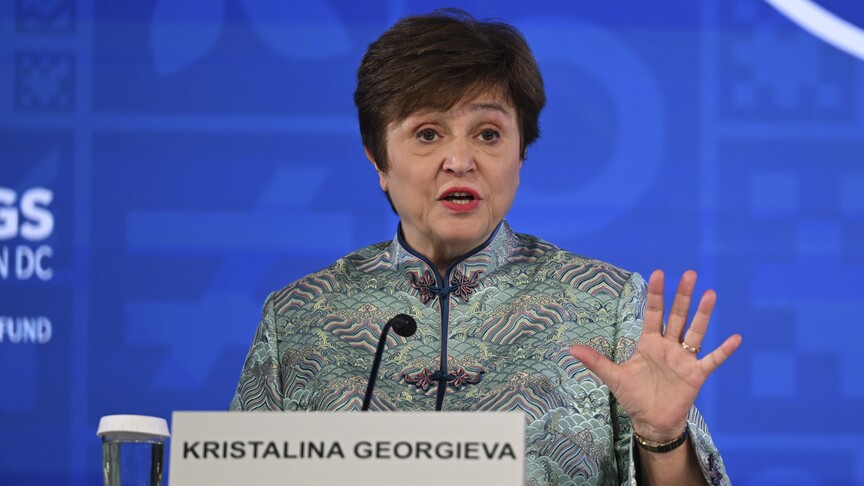
High energy prices are likely to persist even if the current conflict in the Gulf region ends, International Monetary Fund Managing Director Kristalina Georgieva has warned, according to a report by TASS.
Georgieva said price pressures could build further in the coming months as countries work to replenish depleted energy reserves and as demand rises with the approach of the Northern Hemisphere's cold season, the report said.
The warning reflects concern among international financial officials that energy markets remain vulnerable to continued volatility even after acute phases of regional conflicts subside, given the time it can take for supply chains and stockpiles to recover.
TASS's report did not specify which Gulf conflict Georgieva was referring to or provide additional detail on the specific countries or regions the IMF expects to be most affected by sustained high energy prices.
Energy price volatility has been a recurring concern for the global economy in recent years, with disruptions in major producing regions contributing to inflationary pressures that central banks and international institutions have had to factor into their economic outlooks.
The report did not include additional comment from Georgieva on specific policy recommendations for governments facing elevated energy costs this winter.
Sources
EGazette summarizes reporting from multiple sources; follow the links for the originals.
Comments
Loading comments…
Related articles

IMF Chief Warns Energy Shock, Public Debt and AI Boom Threaten Global Growth
Kristalina Georgieva's warning comes as Brent crude rises above $101 a barrel and HSBC reportedly plans major UK wealth management job cuts.
IMF Chief Georgieva Backs 'Prudently Hawkish' Central Bank Rate Policy
IMF Managing Director Kristalina Georgieva says now may be a good time for many countries to adopt a cautiously hawkish approach to monetary policy.
US inflation has exceeded Fed's target for over 5.5 years, IMF's Georgieva says
Kristalina Georgieva noted long-term inflation expectations as US price growth continues to run above the Federal Reserve's goal.
IMF's Georgieva Warns AI Profitability Disappointment Could Trigger Major Market Shock
The IMF managing director stressed the need for regulation and supervision of the AI sector.
AI Expansion Could Boost Annual Global Growth by 0.5 Percentage Points, IMF Says
IMF Managing Director Kristalina Georgieva said global AI investment is set to rival historic infrastructure booms like railroads and electricity.
IMF chief warns global economy faces risks from energy shocks and AI-driven demand
Kristalina Georgieva says global public debt is on track to soon surpass 100% of GDP, its highest level since World War II.