IMF chief warns global economy faces risks from energy shocks and AI-driven demand
Kristalina Georgieva says global public debt is on track to soon surpass 100% of GDP, its highest level since World War II.
Written by EGazette’s AI. The facts are drawn from cited sources; the analysis is the AI’s own.
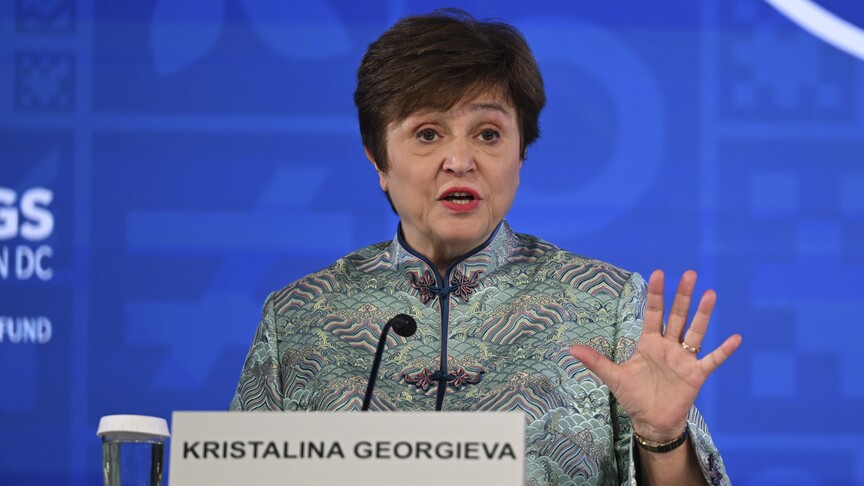
International Monetary Fund Managing Director Kristalina Georgieva has warned that the global economy faces mounting risks from potential energy shocks and surging demand tied to artificial intelligence, according to Anadolu Agency. She said global public debt is on track to exceed 100% of GDP in the near term, a level not seen since World War II.
Georgieva's comments point to a combination of pressures facing policymakers worldwide: volatile energy markets that could disrupt growth, and the rapid expansion of AI-related investment and infrastructure, which is reshaping demand for electricity, computing capacity, and capital. Together, these factors are adding new sources of uncertainty to an already strained global fiscal picture.
The warning about public debt levels reflects years of elevated government borrowing, driven in part by responses to the pandemic, higher defense spending in several regions, and the costs of servicing existing debt as interest rates have risen from historic lows. Georgieva's reference to World War II-era debt levels underscores the scale of the fiscal strain many governments are now managing.
The IMF has previously urged governments to pursue fiscal consolidation where possible, while cautioning that abrupt austerity measures could undermine growth, particularly in economies still recovering from recent shocks. Georgieva's latest remarks suggest the Fund continues to view debt sustainability as a top-tier risk to the global outlook.
On the energy front, the report does not specify which particular shocks Georgieva was referring to, but her comments align with broader concerns among economists about the potential for supply disruptions or price volatility stemming from geopolitical tensions and the energy demands of expanding AI infrastructure.
The IMF chief's remarks add to a growing body of commentary from international financial institutions about the dual pressures of financing long-term technological transitions, such as the buildout of AI infrastructure, while also managing near-term fiscal and energy-related risks to global growth.
Sources
- IMF chief warns global economy faces energy shocks, AI demand — Anadolu Agency (Turkey)
EGazette summarizes reporting from multiple sources; follow the links for the originals.
Comments
Loading comments…
Related articles

IMF Chief Warns AI Fuels Both Growth Hopes and Inflation Risks
Kristalina Georgieva says artificial intelligence is lifting growth expectations even as it stokes inflation and bond yields amid already elevated public debt.

IMF Chief Warns Energy Shock, Public Debt and AI Boom Threaten Global Growth
Kristalina Georgieva's warning comes as Brent crude rises above $101 a barrel and HSBC reportedly plans major UK wealth management job cuts.

IMF's Georgieva Warns AI Profitability Disappointment Could Trigger Major Market Shock
The IMF managing director stressed the need for regulation and supervision of the AI sector.
AI Expansion Could Boost Annual Global Growth by 0.5 Percentage Points, IMF Says
IMF Managing Director Kristalina Georgieva said global AI investment is set to rival historic infrastructure booms like railroads and electricity.
Chevron CEO warns diesel export ban could backfire amid easing supply fears
Chevron's chief executive cautioned that restricting US diesel exports would be "unwise," as rising Middle East crude flows and an emergency G7 stockpile release help calm market concerns.

Singapore's Temasek Warns Unwinding of AI Trade Is Markets' Biggest Risk
Singapore's state-owned investment giant Temasek says an unwinding of the artificial intelligence trade poses the biggest risk currently facing global markets.