How the brain draws on memory to imagine what might have been, according to philosopher Felipe De Brigard
The 2026 MacArthur 'genius grant' recipient explains how imagination reconstructs the past to picture roads not taken, Scientific American reports.
Written by EGazette’s AI. The facts are drawn from cited sources; the analysis is the AI’s own.
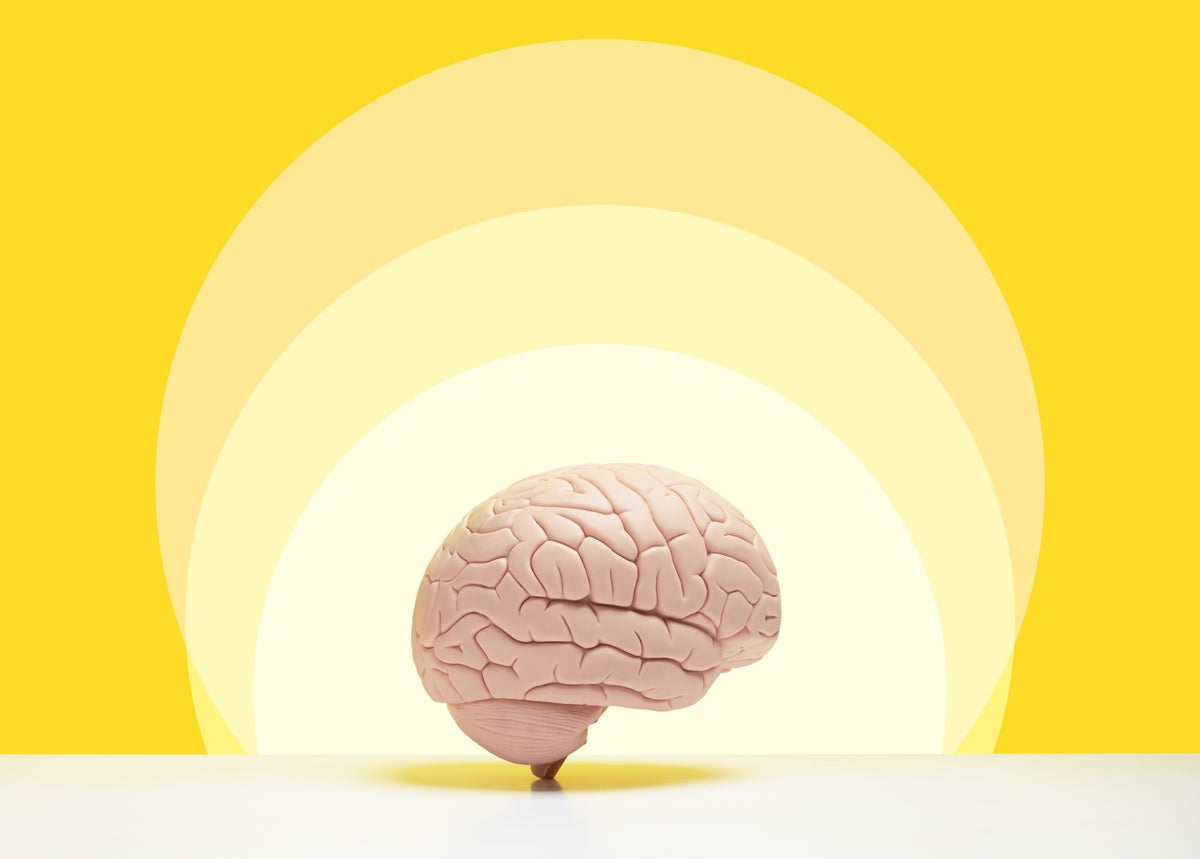
Philosopher Felipe De Brigard, a recipient of the 2026 MacArthur "genius grant," explains how the human brain draws on memory to imagine what might have been, according to a report in Scientific American.
De Brigard's work focuses on the relationship between memory and imagination, examining how the brain reconstructs past events not merely to recall them, but to picture alternative versions of how things could have unfolded.
Scientific American's report frames this ability to imagine counterfactual pasts as closely tied to the same cognitive machinery the brain uses for ordinary memory recall, rather than as an entirely separate mental process.
The recognition of De Brigard's work with a MacArthur "genius grant" in 2026 underscores the broader scientific interest in how imagination and memory interact, a question that spans philosophy, psychology, and neuroscience.
The report did not detail the specific experimental methods De Brigard has used to study this relationship, focusing instead on his explanation of the underlying concept of how imagined alternatives are built from reconstructed memories.
Sources
- How the brain uses memory to imagine what might have been — Scientific American
EGazette summarizes reporting from multiple sources; follow the links for the originals.
Comments
Loading comments…
Related articles

Cargo Dragon spacecraft set to launch to ISS no earlier than October 13, NASA says
NASA says the uncrewed cargo spacecraft will deliver more than 2.8 tons of supplies, including material for studying heart tissue growth in microgravity.
German Study: Religiosity Linked to Greater Community Participation, but Findings Differ for Muslims
A recent study in Germany reveals a link between religiosity and levels of community participation and appreciation, with divergent findings when applied to Muslims.
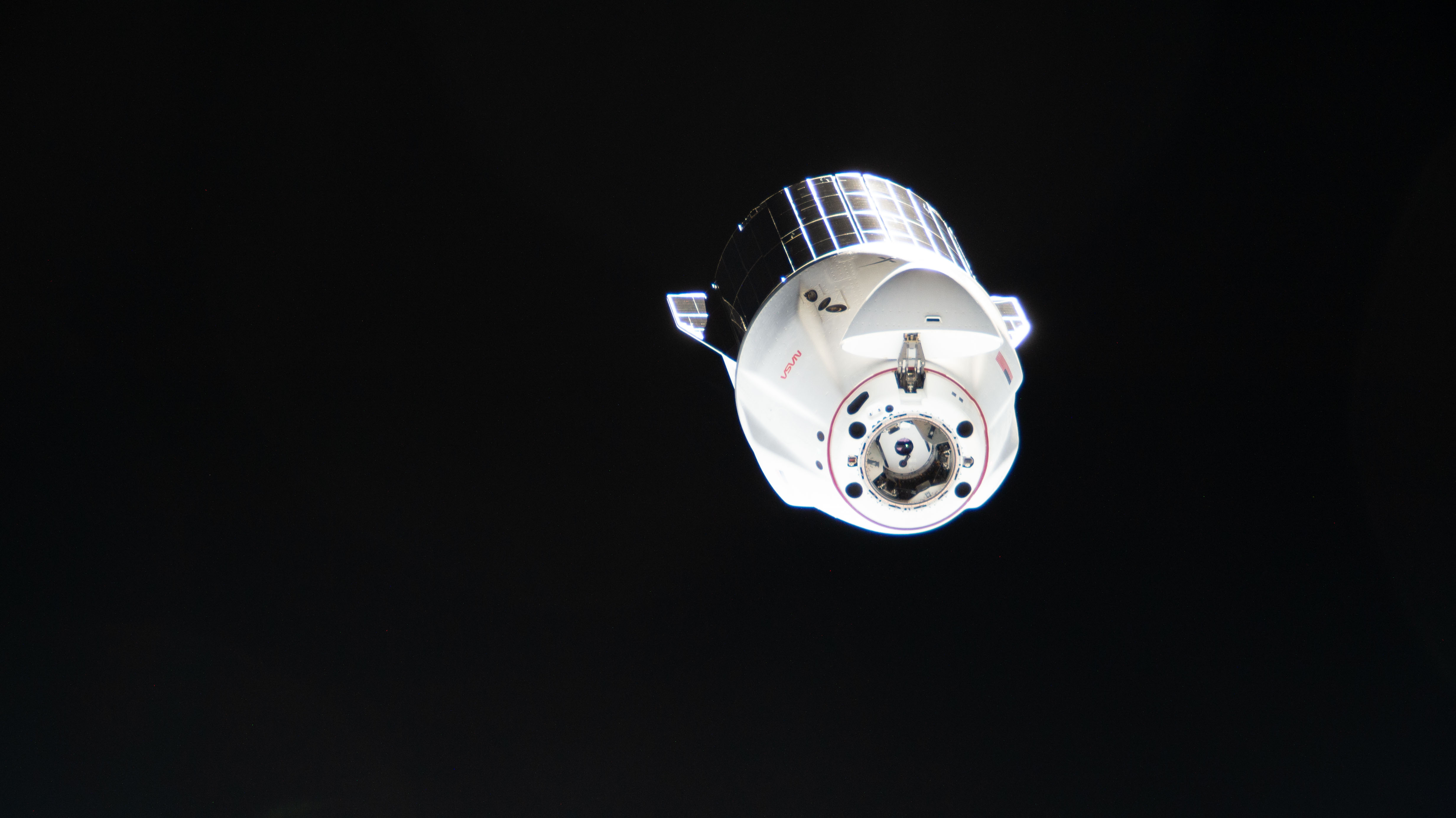
NASA sets coverage for SpaceX's 35th space station resupply launch
NASA and SpaceX are targeting Tuesday, October 13 for the next cargo mission to the International Space Station, which will deliver the final set of Roll-Out Solar Arrays.
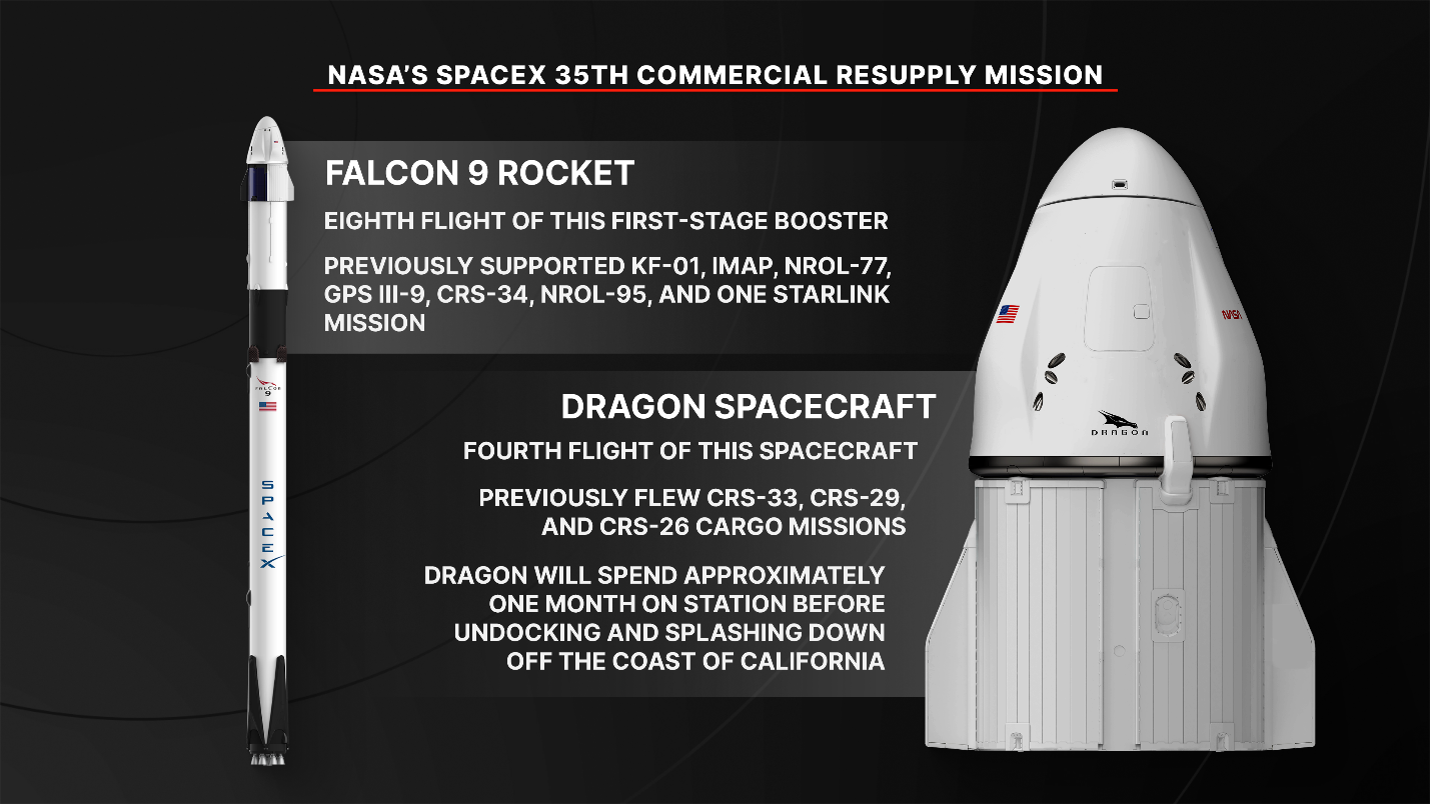
NASA and SpaceX Target October 13 Launch for 35th Commercial Resupply Mission to ISS
NASA and SpaceX are targeting no earlier than Tuesday, October 13, to launch scientific investigations, supplies, and equipment to the International Space Station.
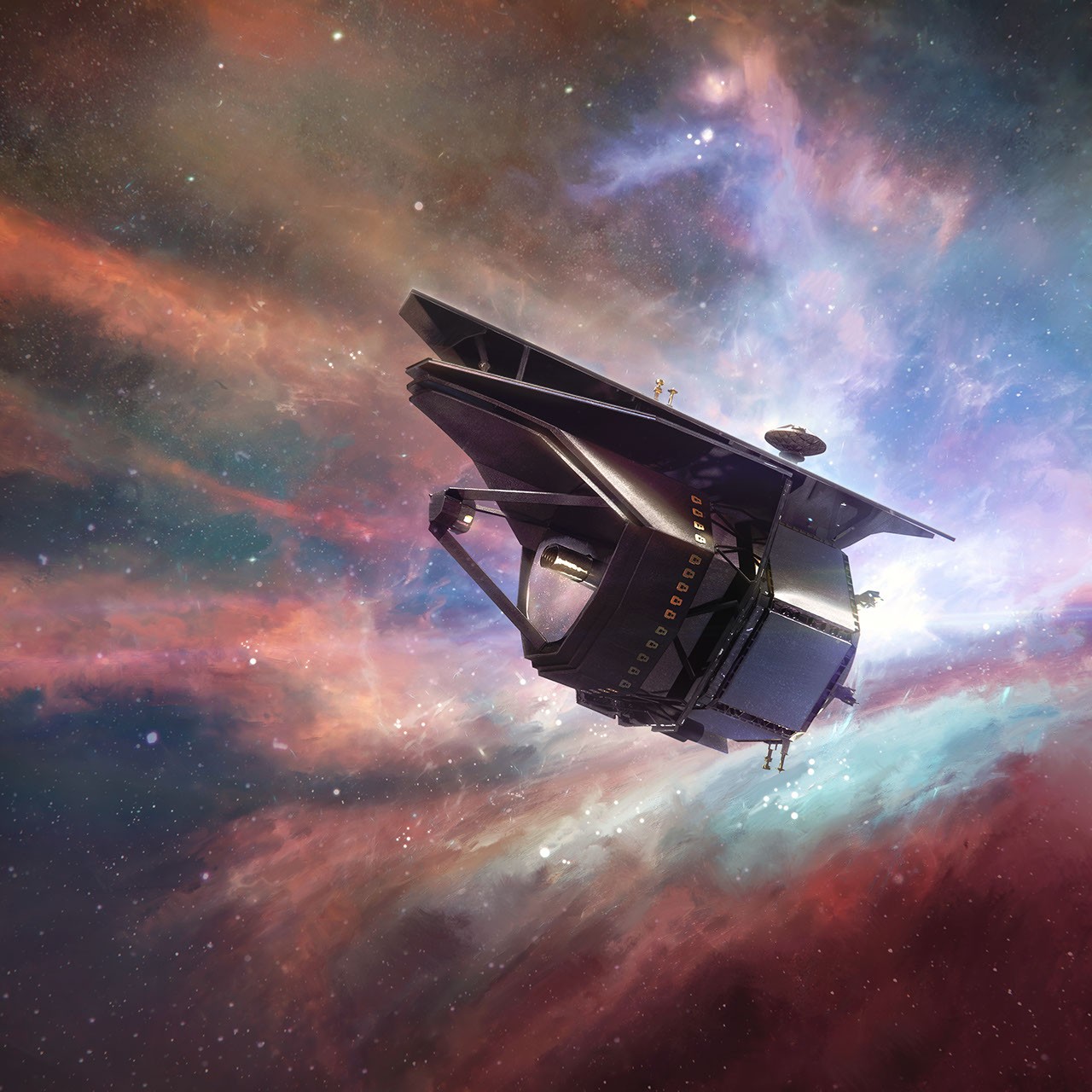
NASA Releases Artist's Concept of PRIMA Spacecraft for New Far-Infrared Astrophysics Mission
NASA has shared an artist's concept of its PRIMA observatory, the first mission in a new Probe Explorers class selected in September 2026 to study the cosmos in far-infrared light.

Fossil Discovery Pushes Back Timeline for When Mammals First Learned to Chew
New evidence suggests the ability to chew and swallow emerged by at least the middle Jurassic, when dinosaurs still dominated.