Greece Sees Early Signs of Reverse Migration From Germany
For years Greek professionals moved north to Germany in search of work, but reports now point to a reverse flow of skilled workers returning home, raising questions about competition for talent across Europe.
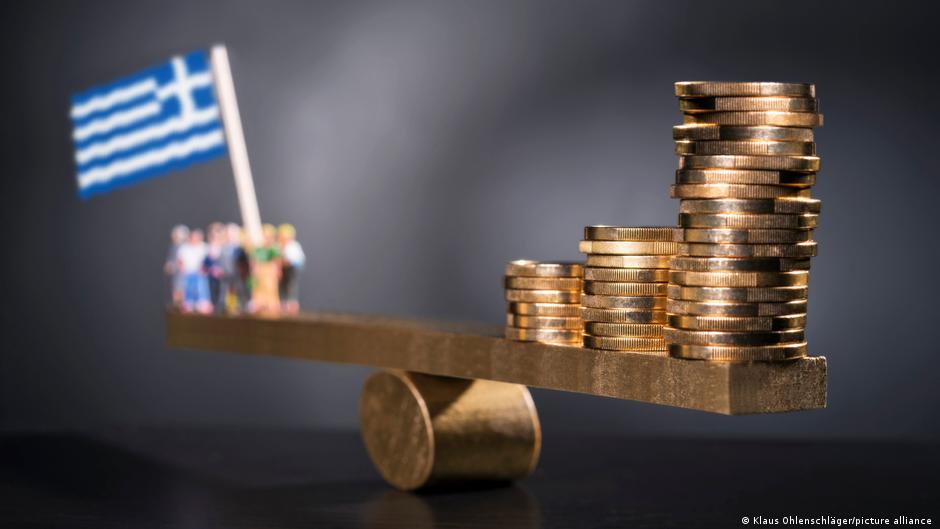
For much of the past decade, the migration pattern between Greece and Germany ran in one direction. Greece, hit hard by a prolonged debt crisis, saw large numbers of young professionals leave the country, while Germany absorbed doctors, engineers and other specialists into its workforce.
Now, according to a new report, that pattern appears to be shifting. A growing number of Greek professionals who had settled in Germany are said to be returning home, a trend that has prompted questions about what is driving the change and whether it signals a broader reshuffling of skilled labor within Europe.
What is driving the shift
The report does not point to a single cause, but frames the reverse flow as part of a wider conversation among European countries about how to attract and retain qualified workers, particularly in fields such as medicine and engineering where shortages are common across the continent.
Greece's economy has stabilized considerably since the height of its debt crisis, and the country has in recent years sought to position itself as more competitive for young professionals, including through targeted incentives for returning expatriates. Germany, meanwhile, continues to face its own demographic pressures, with an aging population and persistent demand for skilled labor in healthcare and technical fields.
Analysts who study European labor mobility note that migration flows of this kind are rarely permanent or one-directional, and that individual decisions to relocate are typically shaped by a mix of career opportunities, cost of living, family ties and quality-of-life considerations rather than any single policy change.
The report frames the emerging trend as an open question rather than a settled conclusion, noting that it remains to be seen whether the movement of talent back to Greece will continue or accelerate, and what it might mean for Germany's own efforts to fill gaps in its skilled workforce.
Sources
- اليونان تستعيد عقولها من ألمانيا.. هل تبدأ معركة أوروبية جديدة على الكفاءات؟ — Deutsche Welle — Arabic
EGazette summarizes reporting from multiple sources; follow the links for the originals.
Comments
Loading comments…
Related articles
German Greens Party Regains Some Electoral Momentum After Months of Decline
After a period of anxiety and falling popularity, the party recorded unexpected electoral results amid growing political challenges.

German Chancellor Merz Says Talks Underway to Boost Ukraine's Air Defenses
Chancellor Friedrich Merz said Germany is in discussions with partners to increase air defense supplies for Ukraine, calling it currently the country's weakest point.
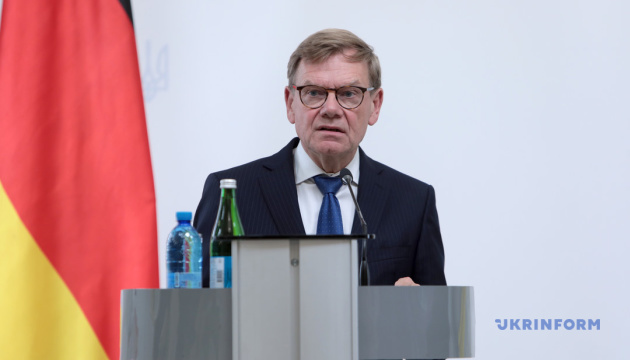
Germany's Wadephul expects more countries to send Ukraine air defense supplies
The German foreign minister said he expects additional air defense supplies for Ukraine from at least two more countries.
German Foreign Minister Calls for Black Sea Ceasefire to Save Grain Exports
Johann Wadephul urged a halt to hostilities in the Black Sea as a first step toward restarting grain shipments before stockpiles are lost.
Merz Says He Is Personally Negotiating More Air Defense Deliveries for Ukraine
The German chancellor said he is holding talks with multiple heads of state and government to secure additional air defense supplies for Ukraine.
Prediction Market Traders Think U.S. September Jobs Report Will Beat Estimates
Bettors on prediction markets are wagering that the U.S. economy added more jobs in September than Wall Street economists currently forecast.