Greece Sees Early Signs of Reverse Migration From Germany
For years Greek professionals moved north to Germany in search of work, but reports now point to a reverse flow of skilled workers returning home, raising questions about competition for talent across Europe.
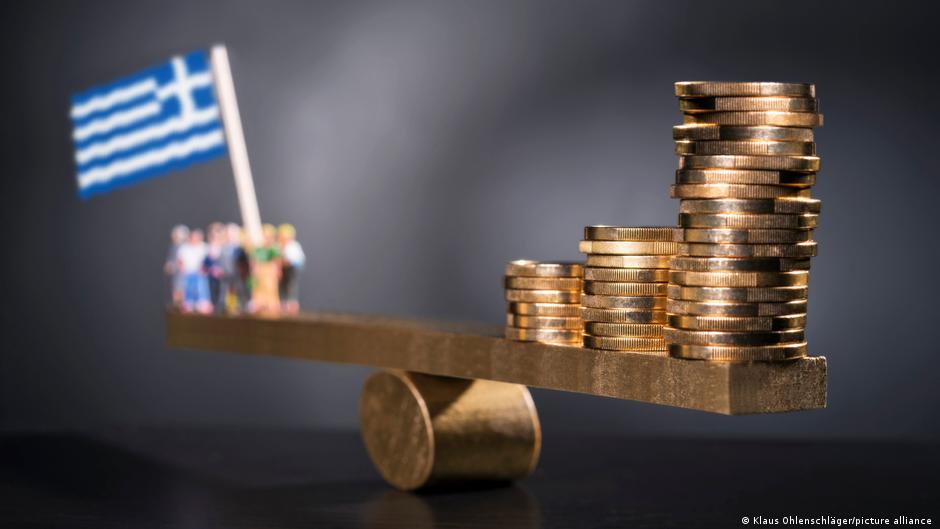
For much of the past decade, the migration pattern between Greece and Germany ran in one direction. Greece, hit hard by a prolonged debt crisis, saw large numbers of young professionals leave the country, while Germany absorbed doctors, engineers and other specialists into its workforce.
Now, according to a new report, that pattern appears to be shifting. A growing number of Greek professionals who had settled in Germany are said to be returning home, a trend that has prompted questions about what is driving the change and whether it signals a broader reshuffling of skilled labor within Europe.
What is driving the shift
The report does not point to a single cause, but frames the reverse flow as part of a wider conversation among European countries about how to attract and retain qualified workers, particularly in fields such as medicine and engineering where shortages are common across the continent.
Greece's economy has stabilized considerably since the height of its debt crisis, and the country has in recent years sought to position itself as more competitive for young professionals, including through targeted incentives for returning expatriates. Germany, meanwhile, continues to face its own demographic pressures, with an aging population and persistent demand for skilled labor in healthcare and technical fields.
Analysts who study European labor mobility note that migration flows of this kind are rarely permanent or one-directional, and that individual decisions to relocate are typically shaped by a mix of career opportunities, cost of living, family ties and quality-of-life considerations rather than any single policy change.
The report frames the emerging trend as an open question rather than a settled conclusion, noting that it remains to be seen whether the movement of talent back to Greece will continue or accelerate, and what it might mean for Germany's own efforts to fill gaps in its skilled workforce.
المصادر
- اليونان تستعيد عقولها من ألمانيا.. هل تبدأ معركة أوروبية جديدة على الكفاءات؟ — Deutsche Welle — Arabic
يلخّص EGazette تقارير من مصادر متعددة؛ اتبع الروابط للاطلاع على الأصل.
Comments
Loading comments…
مقالات ذات صلة
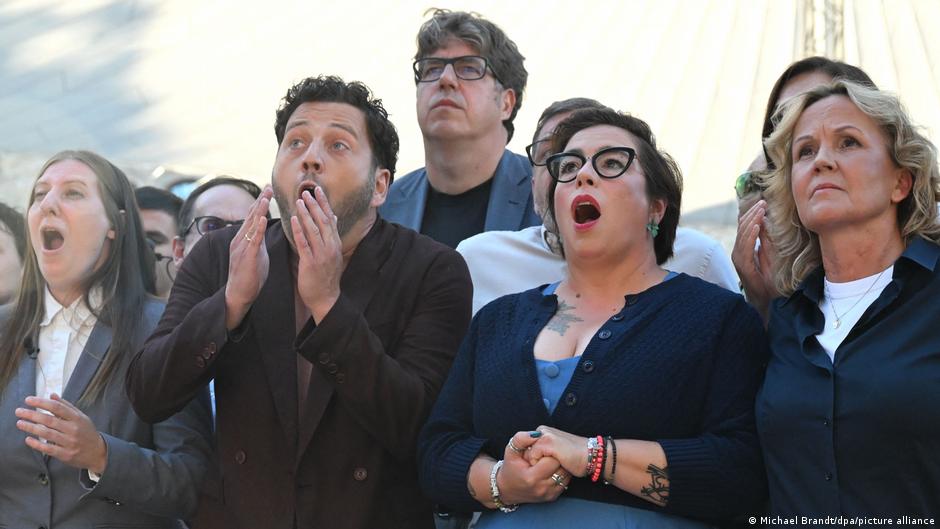
حزب الخضر الألماني يستعيد بعض الزخم الانتخابي بعد أشهر من التراجع
بعد فترة من القلق وتراجع الشعبية، سجل الحزب نتائج انتخابية غير متوقعة وسط تحديات سياسية متصاعدة.
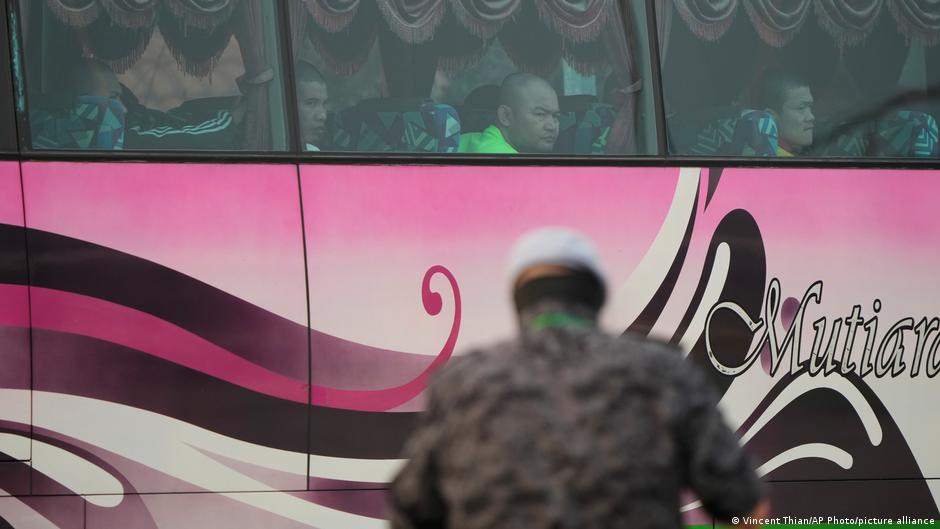
ماليزيا تبدأ ترحيل المهاجرين الميانماريين وسط اعتراضات الأمم المتحدة
تقول ماليزيا إن عودة نحو 1500 مواطن ميانماري طوعية، في حين تحذر وكالات الأمم المتحدة ومنظمات حقوق الإنسان من ذلك.
ترامب: إيران في "وضع سيء للغاية"... وطهران تؤكد أنها لن تتراجع
الرئيس الأمريكي دونالد ترامب يصف الوضع الإيراني بأنه بالغ الصعوبة، بينما يشدد مسؤولون إيرانيون على أن بلادهم لن تتراجع أمام أي تهديد.
تركيا توصف بـ"قوة استعمارية جديدة" مع تصاعد انخراطها في صراعات الصومال
استثمارات تركيا الضخمة في الصومال جعلتها لاعباً رئيسياً هناك، لكن تورطها المتزايد في النزاعات الداخلية يثير تساؤلات حول مستقبل نفوذها.
سلام يجدد التعويل على واشنطن لإنجاح "الإطار الثلاثي" بين لبنان وإسرائيل وأمريكا
رئيس الحكومة اللبنانية نواف سلام يؤكد أن بيروت حسمت خيارها ويعوّل على الدور الأمريكي لإنجاح آلية تنسيق التهدئة مع إسرائيل.
الولايات المتحدة تدين أعمال العنف في الضفة الغربية وتطالب بالتحقيق
جاءت الإدانة الأميركية بعد هجوم نفذه أكثر من 100 مستوطن إسرائيلي على قرية في شمال الضفة الغربية المحتلة.