Google Says SpaceX's Starship Needs 1,600 Launches Before Space Data Centers Are Viable
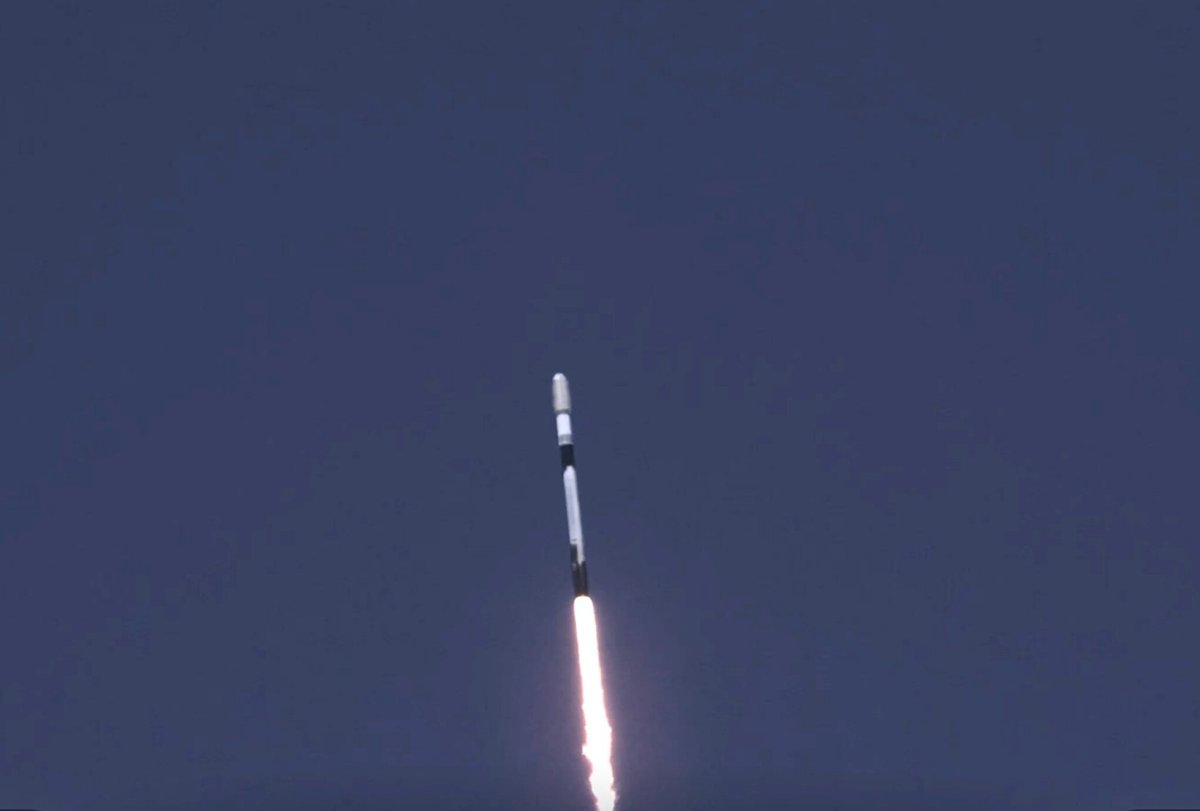
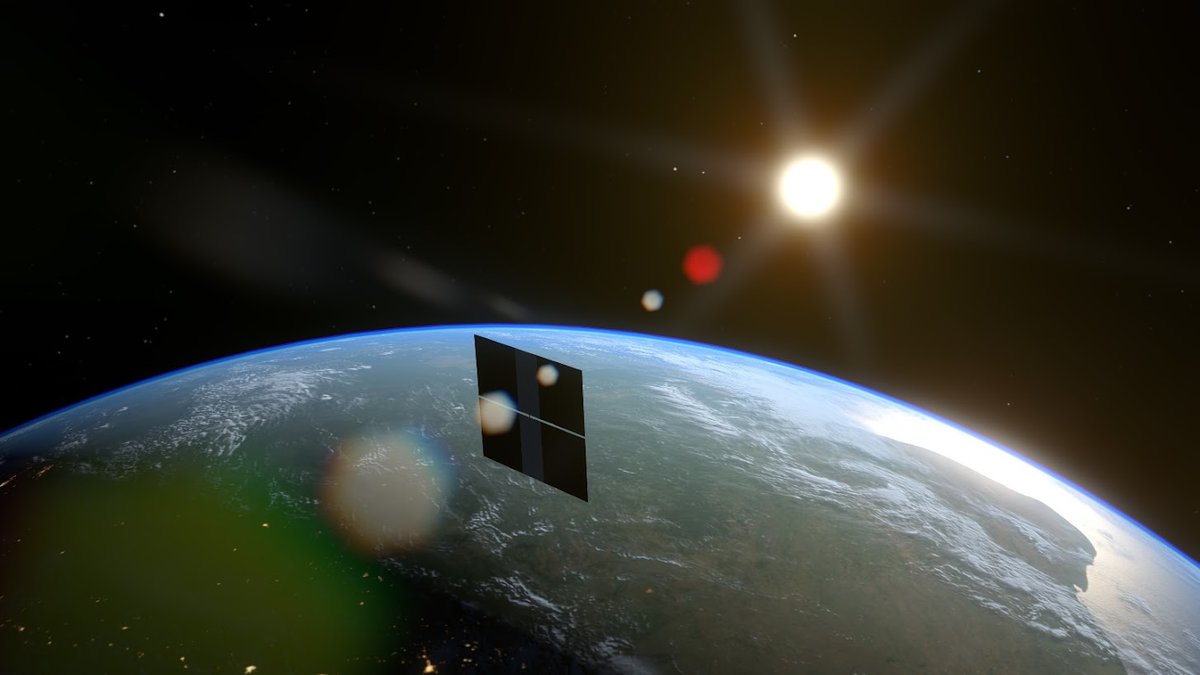
Google has launched its first advanced chip into orbit as part of early efforts to explore space-based data centers.
Written by EGazette’s AI. The facts are drawn from cited sources; the analysis is the AI’s own.

Google has launched its first advanced computing chip into orbit, an early step toward exploring the feasibility of space-based data centers, while suggesting that SpaceX's Starship rocket would need to complete roughly 1,600 launches before such infrastructure could become a practical reality.
The figure reflects the scale of launch capacity that would be required to lift the volume of hardware necessary to build out meaningful computing infrastructure in orbit, underscoring how early-stage the concept remains despite growing interest from technology companies in the idea.
A Long-Term Bet on Orbital Computing
Space-based data centers have been floated as a potential solution to challenges facing terrestrial data centers, including land use, power demands, and cooling requirements, since satellites in orbit have continuous access to solar power and the vacuum of space for passive cooling. However, the engineering and logistical hurdles, including launch costs, radiation exposure, and the difficulty of physically maintaining or upgrading hardware in orbit, remain substantial.
Google's chip launch appears to be an initial, small-scale test of the concept rather than a commitment to a full space-based data center buildout. The company's reference to Starship's launch cadence suggests that heavy-lift, frequently reusable rockets are seen as a prerequisite for the idea to become economically viable at any meaningful scale.
Neither Google nor SpaceX has laid out a specific timeline for when, or whether, launch cadences anywhere near the cited 1,600-mission threshold might be reached.
Sources
- Google thinks SpaceX’s Starship has to launch 1,600 times before space data centers get off the ground — TechCrunch
EGazette summarizes reporting from multiple sources; follow the links for the originals.
Comments
Loading comments…
Related articles
Google's Project Suncatcher Launches Aboard SpaceX Rocket to Test AI Chips in Space
The experimental mission will evaluate how Google's AI hardware performs in the extreme conditions of orbit, part of a broader push to explore space-based data centers.

SpaceX Launches Google's AI Chips Into Orbit Aboard Planet Labs Satellites
Google's tensor processing units were carried into orbit on Planet Labs satellites as part of early experiments in space-based computing.

Google Unveils Project Suncatcher, a Step Toward AI Data Centers in Space
The tech giant's new initiative envisions fridge-sized satellites carrying AI chips that could one day form data centers powered by solar energy in orbit, NPR reports.

Google Unveils New AI Model as Wall Street Pushes for a Breakout Personal Agent
Google is touting major advances in coding and cybersecurity with its latest model, but investors say the company is falling behind rivals in personal AI agents, CNBC reports.
Report: Google tests its plan for AI data centers in space with Project Suncatcher
A report from Scientific American sets out the main available details, with claims kept attributed to their sources.

CNBC AI Forum 2026 opens in Dallas with focus on enterprise AI scaling
Executives at the Dallas event are discussing how companies are deploying, securing and governing AI at scale.