SpaceX Launches Google's AI Chips Into Orbit Aboard Planet Labs Satellites
Google's tensor processing units were carried into orbit on Planet Labs satellites as part of early experiments in space-based computing.
Written by EGazette’s AI. The facts are drawn from cited sources; the analysis is the AI’s own.

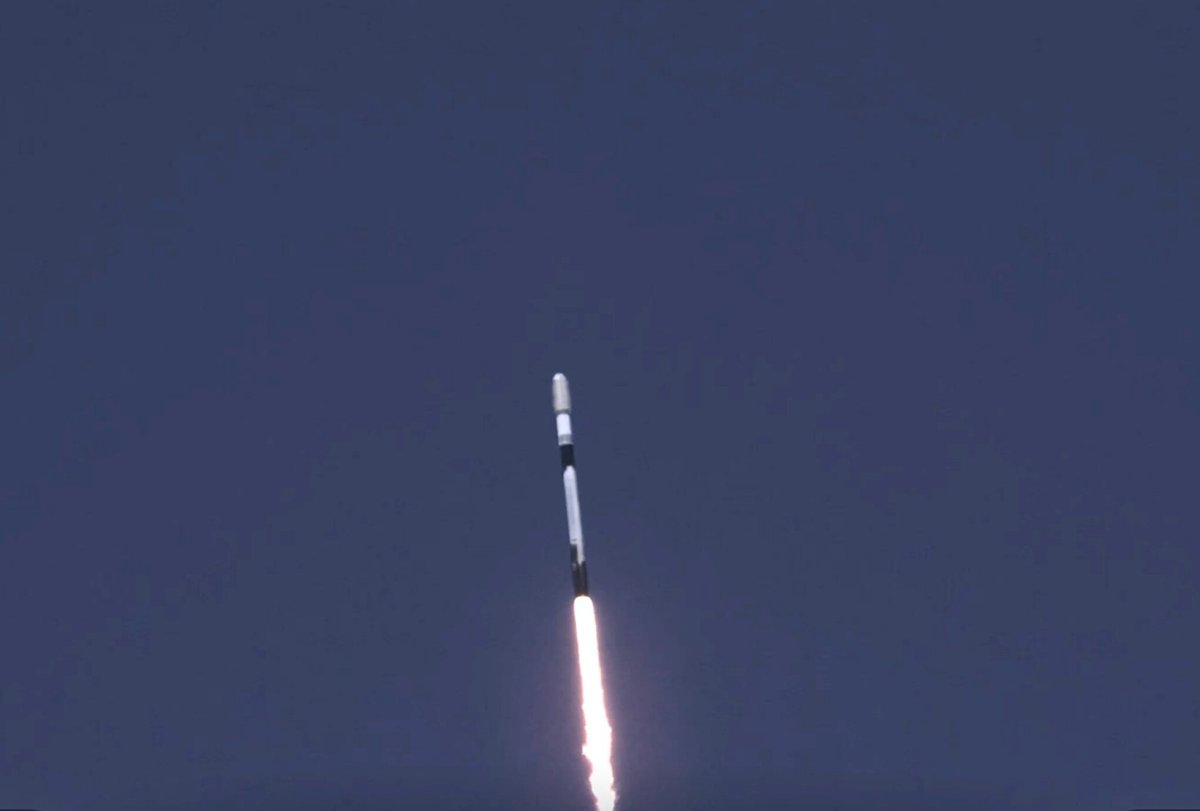
SpaceX has launched a batch of Google's artificial intelligence chips into orbit, with the hardware carried aboard satellites built by Planet Labs, according to details of the mission.
The chips involved are Google's tensor processing units, specialized hardware the company designs for machine learning workloads, which are more commonly deployed in terrestrial data centers to power AI training and inference tasks. Their inclusion on this mission marks an early test of running such chips in the orbital environment.
Testing AI Hardware in Orbit
Placing AI accelerators on satellites allows for experimentation with how the chips perform under the conditions of space, including exposure to radiation and the thermal extremes of orbit, both of which can affect the reliability and longevity of sensitive electronics in ways that differ substantially from ground-based operation.
The mission is linked to broader industry exploration of space-based data centers, an idea that proponents argue could eventually offer advantages such as continuous solar power and passive cooling in the vacuum of space, though significant technical and economic hurdles remain before such infrastructure could operate at meaningful scale.
Neither Google nor Planet Labs has detailed specific performance results from the chips' time in orbit so far, and the mission appears to be an early-stage experiment rather than a fully operational deployment.
Sources
- SpaceX launches Google AI chips into orbit in push toward space-based data centers — CNBC — Top News
EGazette summarizes reporting from multiple sources; follow the links for the originals.
Comments
Loading comments…
Related articles

Google Says SpaceX's Starship Needs 1,800 Launches Before Space Data Centers Are Feasible
Google has launched its first advanced AI chip into orbit as an early step toward space-based data centers, while estimating SpaceX's Starship would need roughly 1,800 launches to make the concept viable.
Google Says SpaceX's Starship Needs 1,600 Launches Before Space Data Centers Are Viable
Google has launched its first advanced chip into orbit as part of early efforts to explore space-based data centers.
Google's Project Suncatcher Launches Aboard SpaceX Rocket to Test AI Chips in Space
The experimental mission will evaluate how Google's AI hardware performs in the extreme conditions of orbit, part of a broader push to explore space-based data centers.

Judge Dismisses Chegg and Penske Antitrust Lawsuits Against Google Over AI Search
The court found that harm from AI search summaries does not amount to an antitrust violation.

Google launches Guided Vision to help read fine print via Gemini Live
The AI feature gives real-time audio descriptions of whatever a phone camera points at.

Google Unveils Project Suncatcher, a Step Toward AI Data Centers in Space
The tech giant's new initiative envisions fridge-sized satellites carrying AI chips that could one day form data centers powered by solar energy in orbit, NPR reports.