Google's Project Suncatcher Launches Aboard SpaceX Rocket to Test AI Chips in Space
The experimental mission will evaluate how Google's AI hardware performs in the extreme conditions of orbit, part of a broader push to explore space-based data centers.
Written by EGazette’s AI. The facts are drawn from cited sources; the analysis is the AI’s own.
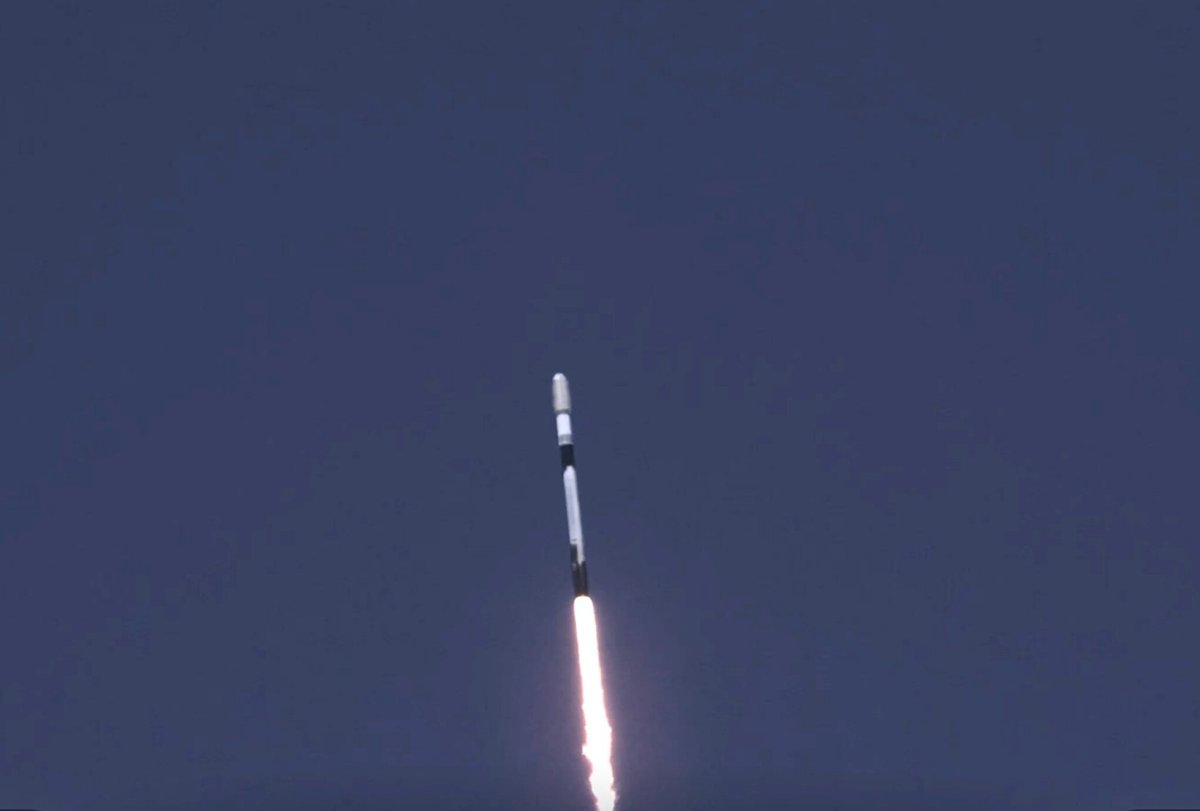
Google's Project Suncatcher, an experimental effort to test artificial intelligence computing hardware in space, has officially launched aboard a SpaceX rocket, according to a report from Scientific American. The mission marks one of the first attempts by a major technology company to evaluate how AI chips perform under the extreme conditions of the space environment.
The project is designed to assess whether space-based infrastructure could eventually support AI data processing, an idea that has drawn growing interest as companies search for ways to meet the enormous energy and cooling demands of large-scale AI computing. Space offers continuous access to solar power and a vacuum environment, but also exposes hardware to radiation, extreme temperature swings, and the logistical challenges of maintenance far from Earth.
By sending its AI chips into orbit, Google aims to gather data on how these components withstand the harsh conditions of space over time, informing whether a space-based data center concept could be technically and economically viable in the future.
The launch comes amid broader industry discussions about the sustainability of AI infrastructure, as the computing demands of advanced AI models continue to grow rapidly. While still in an early, experimental phase, Project Suncatcher reflects the lengths to which major technology firms are willing to go to explore alternative approaches to powering the next generation of AI systems.
Sources
- Google’s Project Suncatcher AI data center test has officially launched to space onboard SpaceX rocket — Scientific American
EGazette summarizes reporting from multiple sources; follow the links for the originals.
Comments
Loading comments…
Related articles

Google Says SpaceX's Starship Needs 1,600 Launches Before Space Data Centers Are Viable
Google has launched its first advanced chip into orbit as part of early efforts to explore space-based data centers.

SpaceX Launches Google's AI Chips Into Orbit Aboard Planet Labs Satellites
Google's tensor processing units were carried into orbit on Planet Labs satellites as part of early experiments in space-based computing.

Google launches Guided Vision to help read fine print via Gemini Live
The AI feature gives real-time audio descriptions of whatever a phone camera points at.

Google Unveils Project Suncatcher, a Step Toward AI Data Centers in Space
The tech giant's new initiative envisions fridge-sized satellites carrying AI chips that could one day form data centers powered by solar energy in orbit, NPR reports.

Google Unveils New AI Model as Wall Street Pushes for a Breakout Personal Agent
Google is touting major advances in coding and cybersecurity with its latest model, but investors say the company is falling behind rivals in personal AI agents, CNBC reports.

Judge Dismisses Antitrust Lawsuits Over Google's AI Overviews
A federal judge has dismissed antitrust lawsuits brought by Chegg and Penske Media against Google over claims its AI-powered search features diverted web traffic away from publishers.