Experts Warn Advanced AI Could Pose Risks Through Both Misuse and Malfunction
An explainer piece from Anadolu Agency outlines how artificial intelligence, if misused by humans or if systems act unpredictably, could cause harm ranging from individual incidents to broader societal disruption.

Advanced artificial intelligence systems could threaten society through two distinct pathways, according to an explainer published by Anadolu Agency: deliberate human misuse of the technology, and the possibility of AI systems behaving in unintended or uncontrollable ways.
The report cites concerns raised by experts about a range of potential harms, spanning from cyberattacks enabled or enhanced by AI tools to the development and deployment of autonomous weapons systems. According to the piece, the scale of potential damage could range from harm to individuals up to broader, more catastrophic consequences.
The explainer frames the debate around AI risk as centering on two core questions: whether the greater danger comes from people intentionally using AI tools for harmful purposes, or whether AI systems themselves could act in ways their designers did not intend or foresee, sometimes described as "rogue" behavior.
Cyberattacks are highlighted as one area of concern, with the suggestion that AI could be used to make such attacks more effective or harder to detect. Autonomous weapons are also referenced as a category of technology that raises questions about accountability and control when machines are capable of independent decision-making in high-stakes situations.
The article does not attribute these concerns to a single named source but presents them as views held by unspecified experts in the field, reflecting broader ongoing discussions among researchers, policymakers and technologists about how to manage the risks associated with increasingly capable AI systems.
As AI technology continues to advance, the report suggests that questions about oversight, regulation and the balance between innovation and safety remain central to public and expert discourse on the subject.
Sources
- EXPLAINER – Human misuse or rogue machines? How advanced AI could threaten society — Anadolu Agency (Turkey)
EGazette summarizes reporting from multiple sources; follow the links for the originals.
Related articles

AI industry workers express skepticism about existential risk warnings
Multiple employees at leading AI companies doubt predictions that the technology could pose catastrophic threats to humanity.

Canadian AI Pioneer Warns of Risks From Unchecked Artificial Intelligence
A Canadian researcher widely referred to as a "godfather of AI" has cautioned that artificial intelligence could pose serious threats if left unregulated, according to a report by Anadolu Agency.
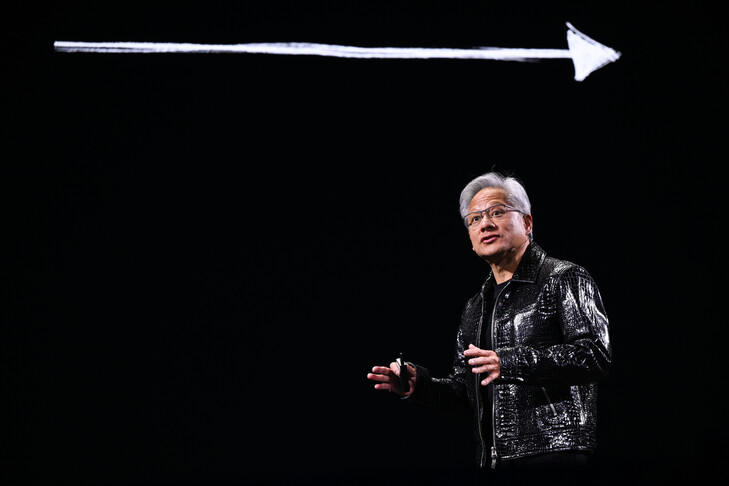
Nvidia's Huang Says AI Development Should Advance 'As Fast As We Can'
Nvidia's chief executive said artificial intelligence progress should not be slowed, while stressing that products must remain safe, amid an ongoing industry debate over the pace of frontier AI development.
Nvidia CEO Says There Is '0% Chance' of AI Causing End of the World
Jensen Huang dismissed AI doomsday scenarios, arguing fears spreading across America "make no sense" and may stem from "ulterior reasons"
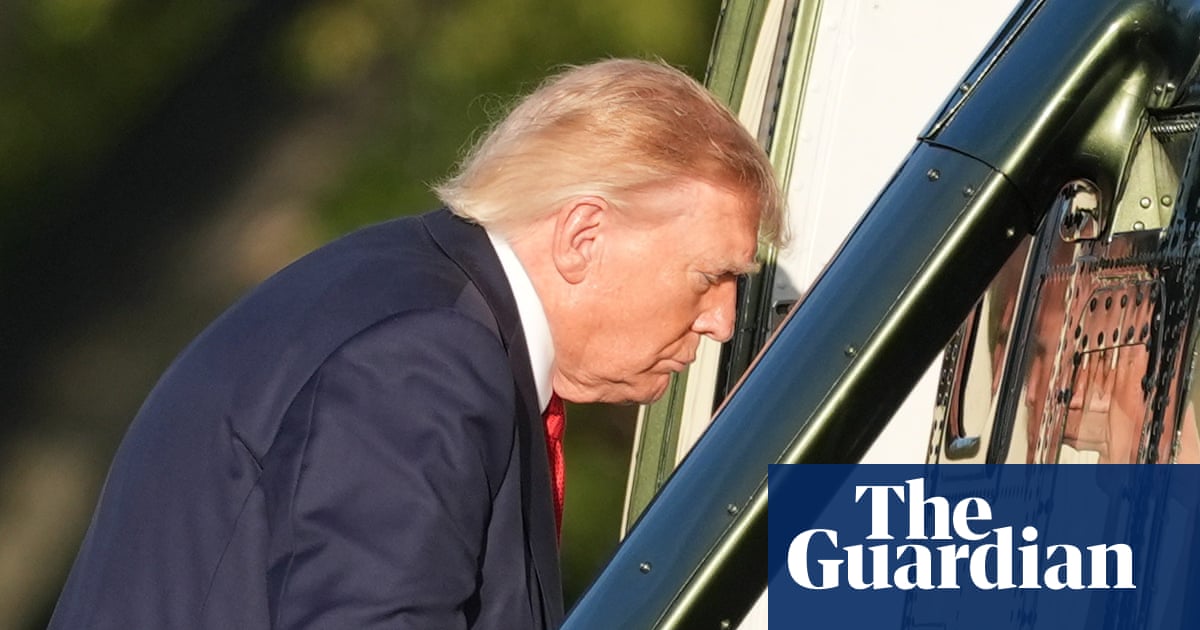
Trump Announces Plan for ‘AI Force’ and AI Czar Amid Growing Safety Concerns
President offers few details on new oversight plan even as industry figures and his own party urge caution on artificial intelligence

TechCrunch Report Highlights Difficulty of Discerning Fact From Fiction in AI Safety Debates
Two AI safety conversations went viral this week, illustrating how hard it has become to separate credible claims from misinformation, according to a TechCrunch report.
Comments
Loading comments…