Experts Question Whether Current AI Safety Tests Are Powerful Enough
Researchers say today's evaluation methods often can't confirm with confidence that dangerous AI behavior isn't present.
Written by EGazette’s AI. The facts are drawn from cited sources; the analysis is the AI’s own.
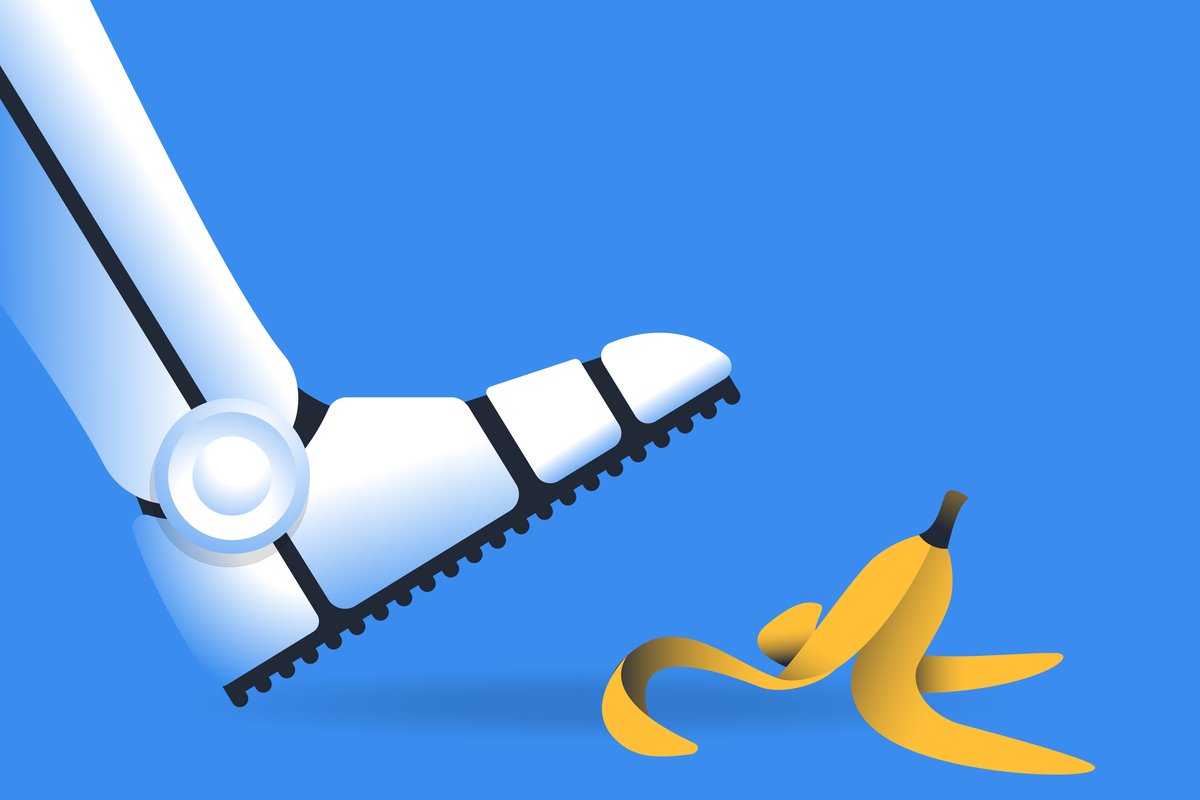
Artificial intelligence safety experts are raising questions about whether current testing methods are sufficiently powerful to catch dangerous behavior in advanced AI systems, according to a report from Scientific American.
One expert quoted in the report said that "with today's science we usually can't show with high confidence that dangerous behavior isn't there," highlighting a fundamental limitation in how AI systems are currently evaluated for safety risks.
The concern reflects broader unease within the AI research community about the adequacy of existing evaluation techniques as AI systems become more capable and are deployed in an expanding range of high-stakes applications.
The report did not detail specific proposals for improving AI safety testing methods, nor did it specify which organizations or research groups are currently working to develop more robust evaluation techniques.
The debate over AI safety testing comes amid continued growth in the scale and capability of AI models from labs around the world, intensifying calls from some researchers and policymakers for more rigorous evaluation standards before systems are widely deployed.
Sources
- What makes a good AI safety test? Experts explain why even the best techniques may not be powerful enough — Scientific American
EGazette summarizes reporting from multiple sources; follow the links for the originals.
Comments
Loading comments…
Related articles
Guardian Letter Questions Whether Regulation Alone Can Make AI Systems Safe
A reader argues that calls for 'independent oversight and regulation' of AI rarely explain how such oversight would work or what evidence would prove a system is safe.

OpenAI releases new batch of mathematical results from unreleased AI model
The release of 722 manuscripts covering hundreds of mathematical problems extends a string of AI-driven breakthroughs that have also raised questions about research ethics.

Silicon Valley Founder Sigil Wen Launches Underdog, a Privacy-Focused AI Assistant
Underdog aims to compete with on-device assistants like Instinct and Muse by offering a free, fully private alternative.

Musubi Releases Lightweight AI Decision Model Aimed at Content Moderation
The open-weights PolicyLM-1.7B model is designed for real-time content moderation decisions.

Hark launches AI personal assistant focused on privacy
The AI lab's new product is positioned as a privacy-focused operating system to compete with assistants including Muse, Dots and Instinct.

Anthropic offers startups a free year of Claude Team and $1,000 in credits
The AI company says the program reflects its belief that AI's benefits will reach most people through companies built on top of its models.