Exoskeleton Devices Show Growing Real-World Benefits, Report Finds
Wearable exoskeleton technology is increasingly demonstrating practical advantages for users performing everyday and work-related tasks, according to Ars Technica.
Written by EGazette’s AI. The facts are drawn from cited sources; the analysis is the AI’s own.
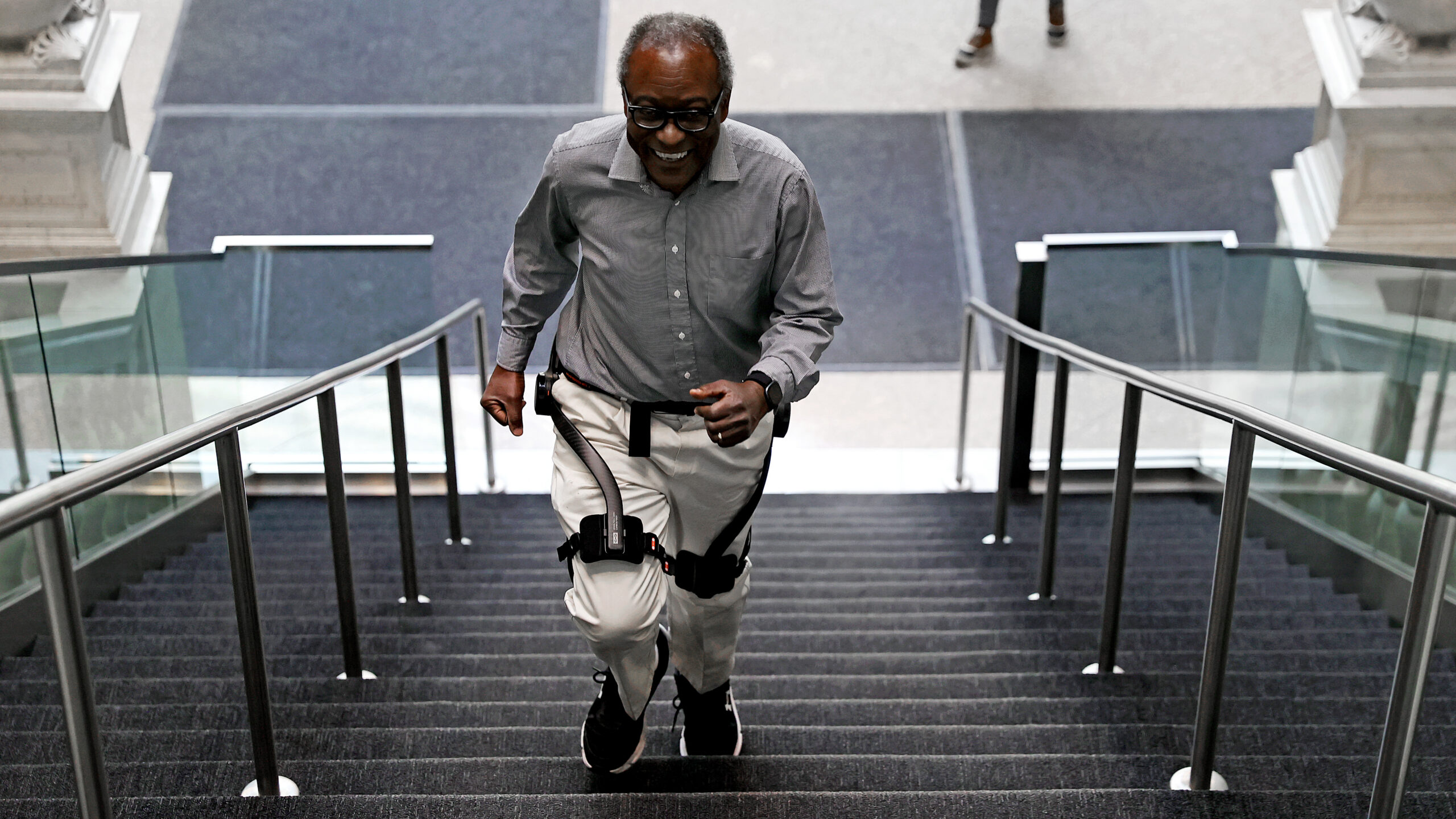
Exoskeleton devices are continuing to demonstrate measurable benefits for the people who use them in real-world settings, according to a report from Ars Technica. The wearable technology, designed to support or augment human movement, has moved beyond early prototypes into tools that show practical value in daily tasks.
The report characterized the current period as a turning point for the technology, suggesting that exoskeletons are increasingly proving their worth outside of controlled laboratory or industrial testing environments.
From Niche Tool to Practical Technology
Exoskeletons have historically been associated with specialized applications, including industrial settings where workers perform repetitive lifting or strenuous physical tasks, as well as rehabilitation contexts for people recovering from injury or managing mobility limitations.
The noticeable benefits highlighted in the report point to a broader shift in how the technology is being adopted, as improvements in materials, battery life and design have made devices more practical for sustained, everyday use rather than limited trials.
While the report did not detail every specific use case, it framed the current moment as an early but meaningful stage in wider adoption of exoskeleton technology, with the devices increasingly delivering tangible advantages for the people wearing them across a range of real-world activities.
Sources
- The dawn of the age of the exoskeleton — Ars Technica
EGazette summarizes reporting from multiple sources; follow the links for the originals.
Comments
Loading comments…
Related articles

Xreal cuts $50 off its most affordable display glasses
The xbx A01 Plus, Xreal's budget display glasses launched over the summer at $299, are now on sale for less, though they skip a feature found on pricier models.

Panasonic Plans Humanoid Robots for Manufacturing Use
Production could begin as early as 2029, though the company says it cannot yet disclose further details, according to Akira Sakakibara.

Inside Microsoft's Testing Lab for Its Surface Laptops
Before Surface devices reach the public, Microsoft runs them through extensive stress testing in a dedicated Redmond facility.

Microsoft's Surface Laptop Ultra Gets Release Date and $2,599 Starting Price
The Nvidia RTX Spark-equipped device launches October 16, with the base configuration featuring an 18-core CPU, 24GB of RAM and 512GB of storage.

Microsoft Opens Preorders for $5,999 Surface RTX Spark Dev Box
The Nvidia-powered developer workstation is set to ship in November as rising component costs push PC prices higher across the industry.

Microsoft Brings Magnetic Charging Back to Surface With New USB-C Design
The Surface Laptop Ultra pairs a magnetic charging cable with a standard USB-C port, a year after Microsoft dropped its proprietary Surface Connect system.