Blue Planet III ventures into the ocean's darkest depths
Sir David Attenborough says the new series reveals marine life even more precious than previously realised.
Written by EGazette’s AI. The facts are drawn from cited sources; the analysis is the AI’s own.

The BBC's long-running natural history franchise is returning with a new instalment, Blue Planet III, which its narrator Sir David Attenborough says ventures into some of the darkest and least-explored depths of the world's oceans.
According to the BBC's Science and Environment desk, Attenborough has said the series uncovers marine life that is "even more precious than we ever realised," underscoring the programme's focus on species and ecosystems rarely seen on screen.
The Blue Planet franchise, produced by the BBC Natural History Unit, has built a reputation over previous instalments for combining advances in underwater filming technology with Attenborough's narration to document ocean habitats ranging from coral reefs to the open sea.
Earlier series in the franchise, including Blue Planet II, drew large audiences and were credited with drawing public attention to issues such as plastic pollution in the oceans, a theme that figures prominently in discussions of marine conservation.
Details of the new series' broadcast schedule were not included in the initial announcement, but its emphasis on deep-ocean environments signals an effort to document ecosystems that remain largely unfamiliar even to specialists, according to the BBC.
Sources
- Blue Planet III ventures into darkest depths of ocean — BBC Science & Environment
EGazette summarizes reporting from multiple sources; follow the links for the originals.
Comments
Loading comments…
Related articles

World's largest chinstrap penguin colony hit by 'alarming' population decline
Scientists blame climate change for a dramatic drop in the number of chinstrap penguins on a remote volcanic island.

Necropsies Carried Out on Seabirds Following Nurdle Spill
Scientists are examining seabirds to assess the effects of microplastic pollutants after a spill of plastic pellets known as nurdles.
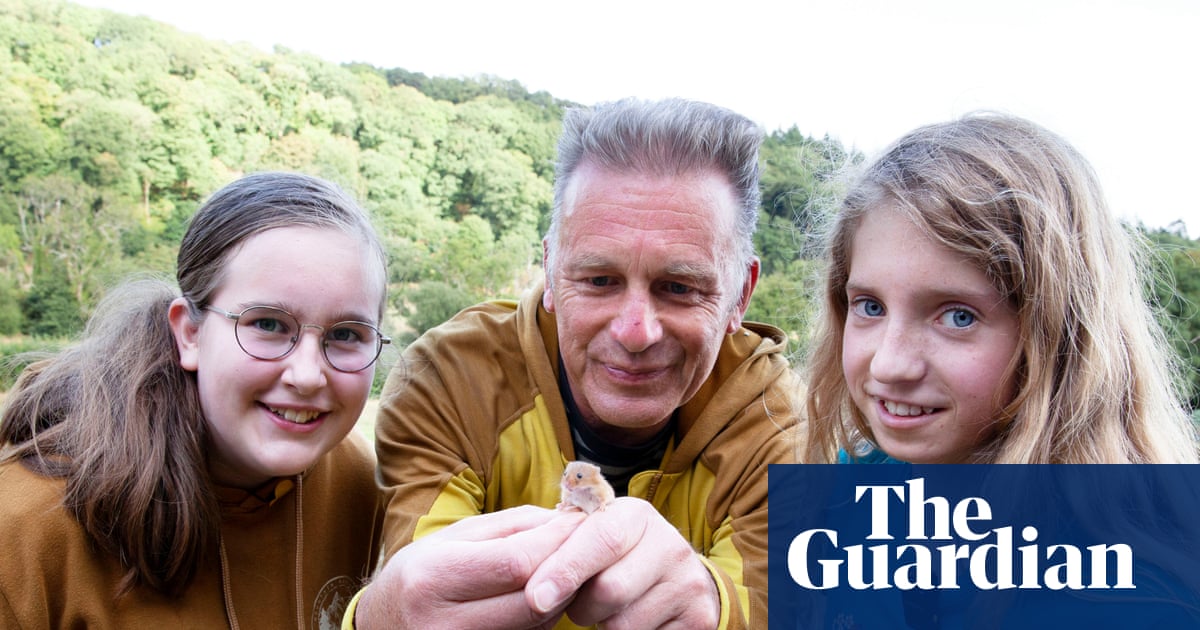
Devon Children Invited to Breed Harvest Mice for Wild Release
A conservation project launched by two 14-year-old friends aims to recruit 20 Devon-based children to rear and release 250 harvest mice into the wild by September.

Himalayan monal's calls shift as human activity reshapes its habitat, researchers say
A sharp rise in human activity across the Himalayas is altering how the brightly colored monal pheasant lives and communicates, according to new research.

Field purchase aims to expand urban 'green lung'
The prospective sale is hoped to provide a haven for wildlife in an urban area, according to the BBC.
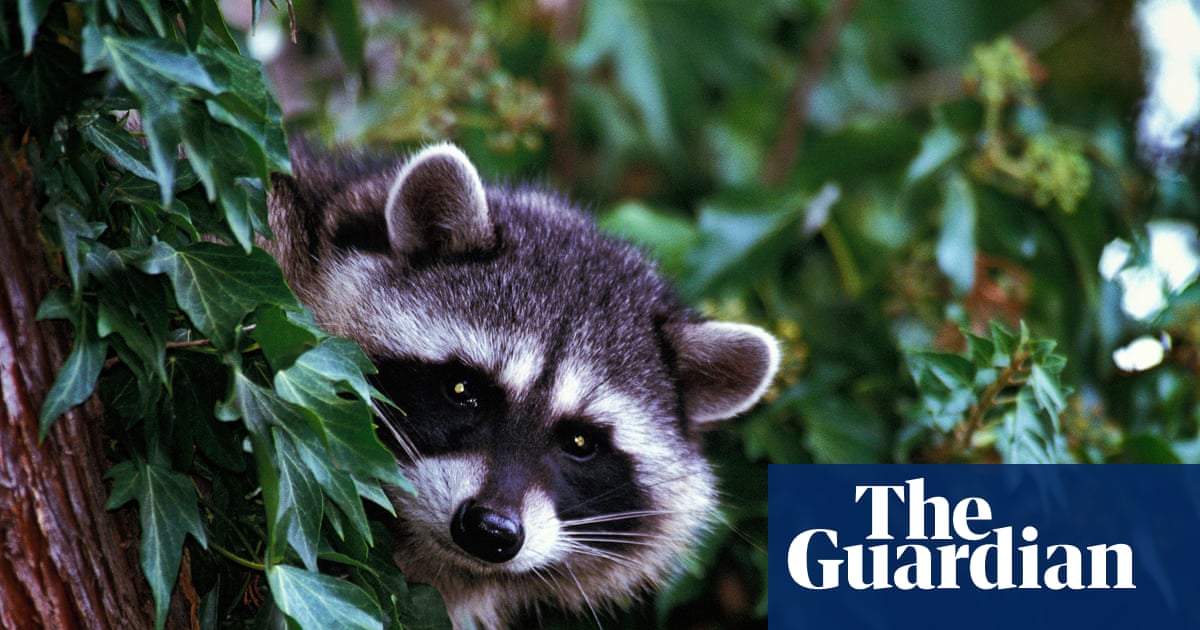
Los Angeles County Confirms First Rabid Raccoon Case in Over 50 Years
Health officials say four people and a dog may have been exposed to rabies after a sick raccoon was found at a Westlake Village work site, the county's first rabid raccoon case in more than five decades.