In order to spread further. Tech companies abandon the camera in smart glasses
In their quest to manufacture the device that could succeed the phone, some companies are moving to remove the camera from smart glasses altogether to overcome the biggest obstacle to their spread.
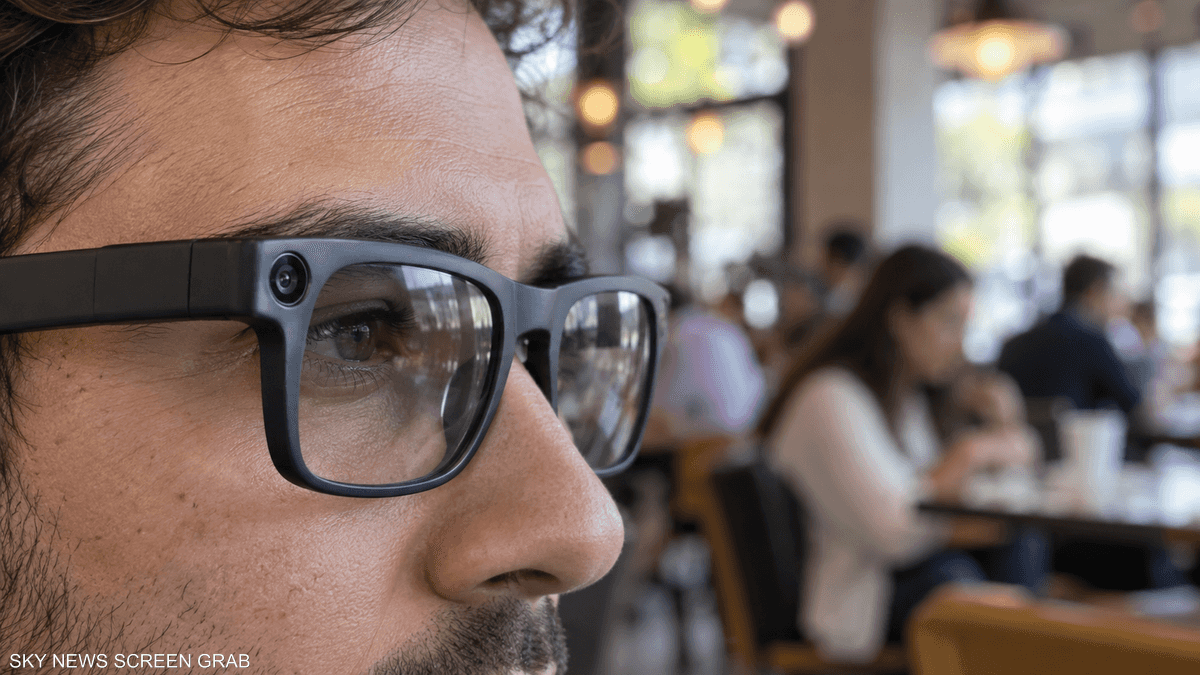
In their race to create the device that might come after the smartphone, big tech companies have bet on putting a camera and microphone in front of the user's eyes as part of the design of smart glasses. However, the advantage that gave these glasses their ability to see the world around the user has become, according to recent reports, the biggest obstacle to their widespread spread.
This dilemma is prompting some companies to take the unexpected step of removing the camera from some smart glasses models entirely, in an attempt to dispel privacy concerns raised by the presence of a built-in camera capable of recording those around the user without their knowledge, often without their knowledge.
These trends suggest that the smart glasses industry is undergoing a re-evaluation of its core design, after societal concerns about potential surveillance were sometimes outweighed by the device's built-in imaging feature.
It's not yet clear which companies will adopt this trend or the timeline for introducing new models without a camera, but the overall trend reflects an attempt to balance technical innovation with user acceptance and privacy concerns.
The shift comes at a time when tech companies are vying to determine what the next device will look like after a smartphone, while still searching for the optimal balance between technological capabilities and the demands of broad mass acceptance.
Sources
- لكي تنتشر أكثر.. النظارات الذكية تتخلى عن أبرز قدراتها — Sky News Arabia — Technology
EGazette summarizes reporting from multiple sources; follow the links for the originals.
Related articles

Artificial Intelligence Takes Centre Stage at UN General Assembly
World leaders, including new British Prime Minister Andy Burnham, addressed the growing global debate over AI during this year's UN gathering.
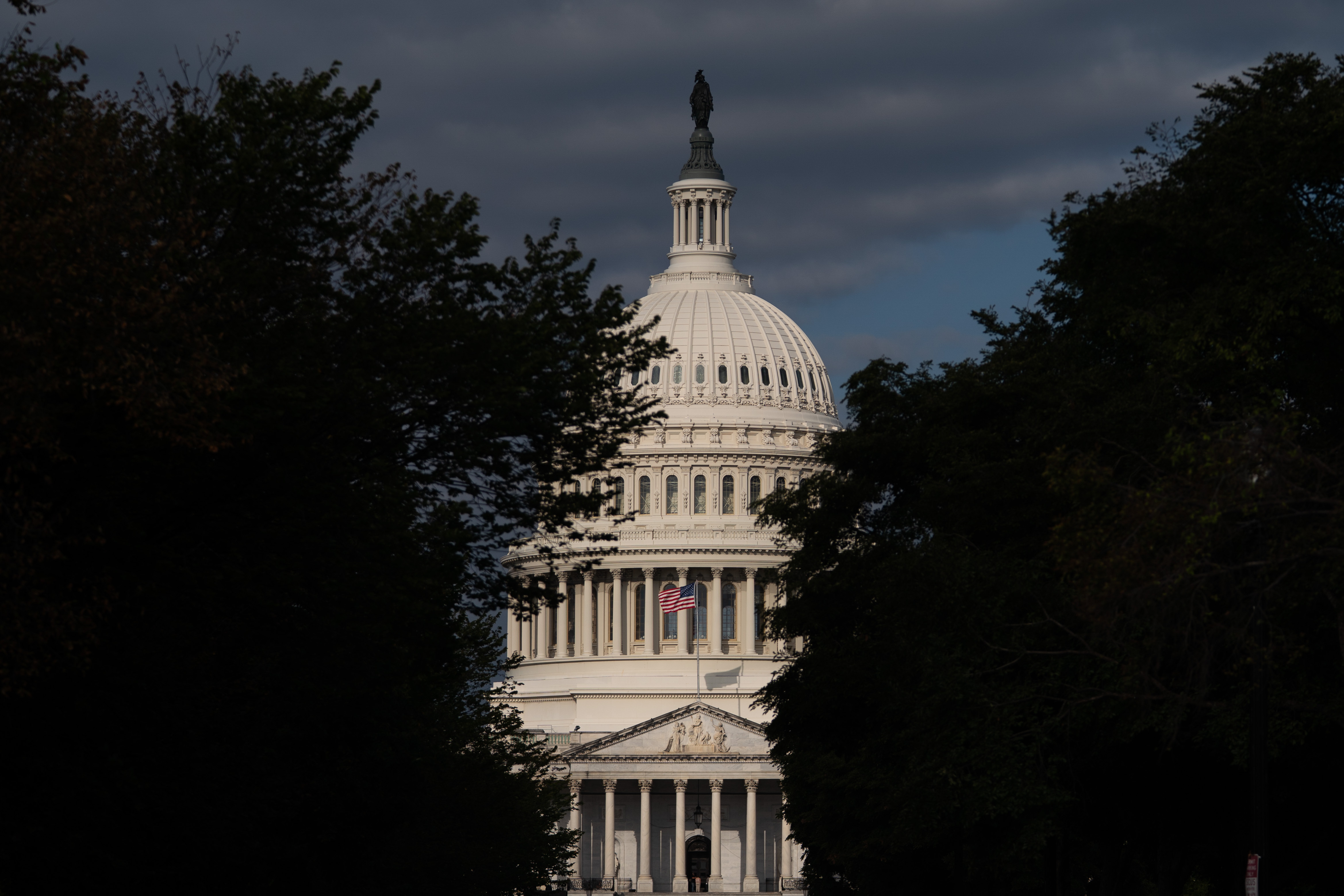
Senate Offices Barred From Most Advanced AI Tools Even as Congress Debates Regulation
Lawmakers weighing AI policy lack access to the cutting-edge systems at the center of the debate, even as their staff use basic chatbots like ChatGPT.
As AI leaders warn of catastrophe, US and China shun calls to slow down
Presidents Trump and Xi are expected to agree to only limited cooperation on AI safety as warnings about the technology's risks grow louder.

Regulator Investigates Pornhub Over Age Verification Checks
The regulator has raised concerns about how Pornhub relies on third-party age checks provided by Apple for some users.

Critics Warn an 'AI Freeze' Could Entrench Dominance of Largest AI Firms
A slowdown in AI development among leading labs could consolidate their market power just as smaller competitors are trying to catch up, critics argue.
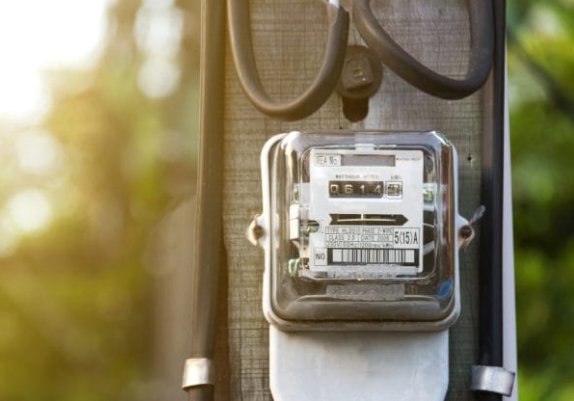
Pakistan Installs Over 2.12 Million Smart Meters to Curb Power Theft
The rollout aims to improve billing accuracy and strengthen revenue collection across the national electricity grid.
Comments
Loading comments…